Prevention·8 min read
Peninsula Rainstorms: Preparing Your Home for Water Damage
Almost every storm call we take traces to something that would have been a cheap fix in September. Here is that list.
Read the guide
Guides & advice
Written from the jobs we actually run — what to do in the first hour, what restoration really costs, what your insurance will and will not cover, and the cheap prevention that stops most of the calls we take.
Answered by a person, 24/7 — crews on site within 60 minutes in Redwood City.
Start here
These are written from the jobs we run, not from a keyword list. If water is active right now, skip the reading and call — every guide here says the same thing in its first paragraph.
It is happening now. Start with what to do immediately after water damage for the first-hour sequence, then the guide matching your cause — a burst pipe, a sewage backup, a flooded lower level or a roof leak mid-storm.
It has happened and now you are dealing with the aftermath. The three questions everyone asks are answered in what restoration actually costs, what California insurance covers and how long the process takes.
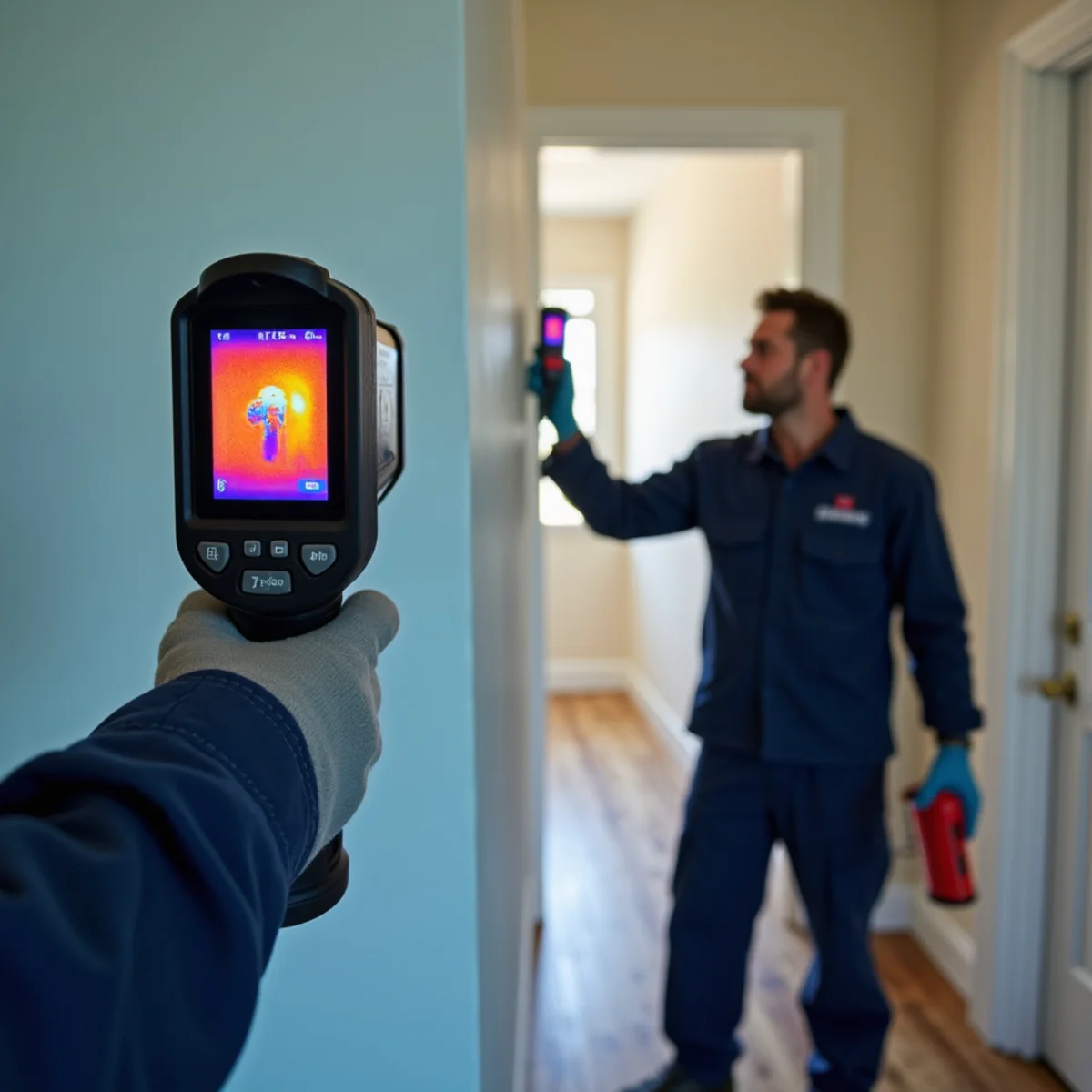
You suspect something but cannot find it. Read how to detect hidden water damage and the hidden dangers of water damage mold. If you are trying to stop the next one, the prevention checklist and storm preparation guide are the two with the best return on an afternoon of work.
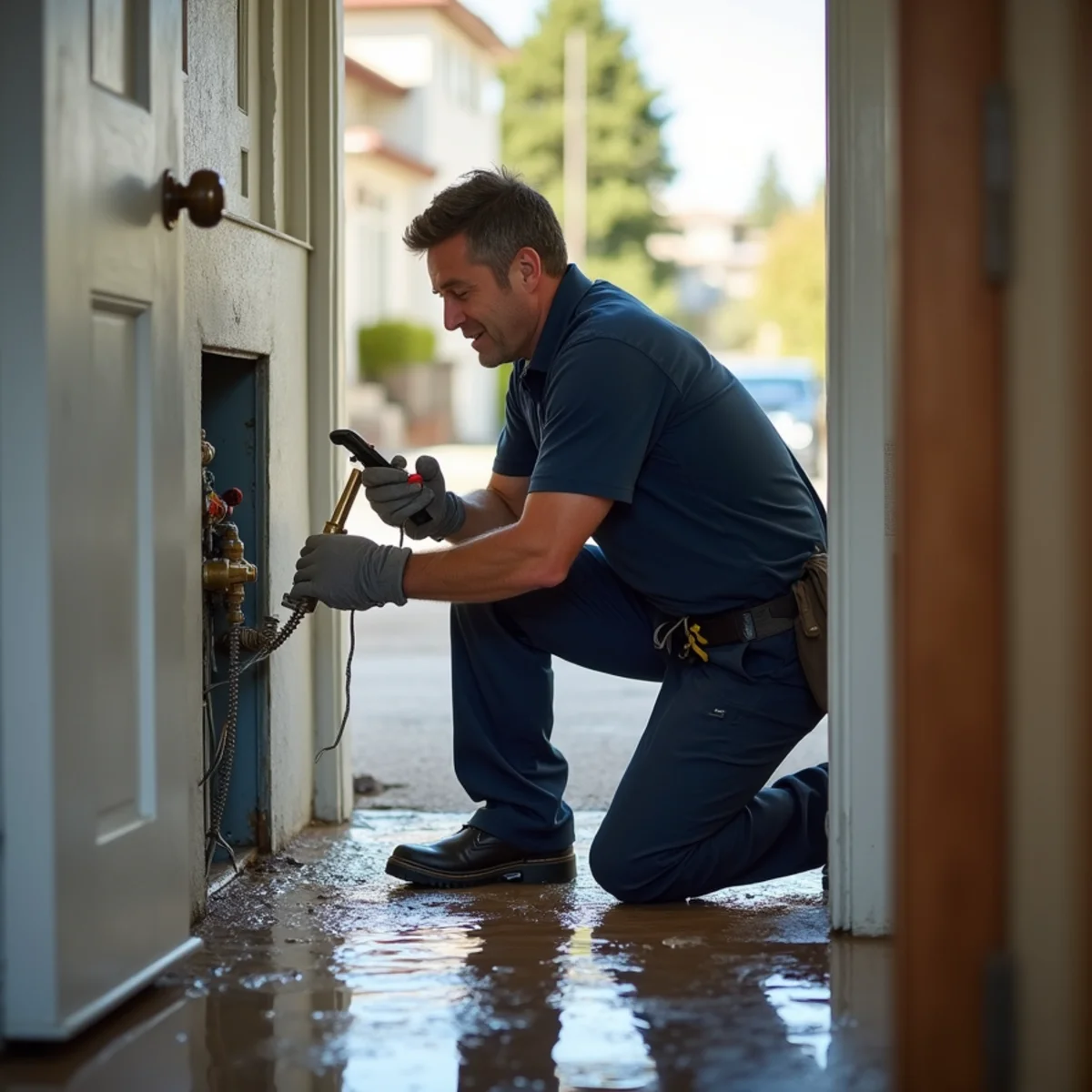
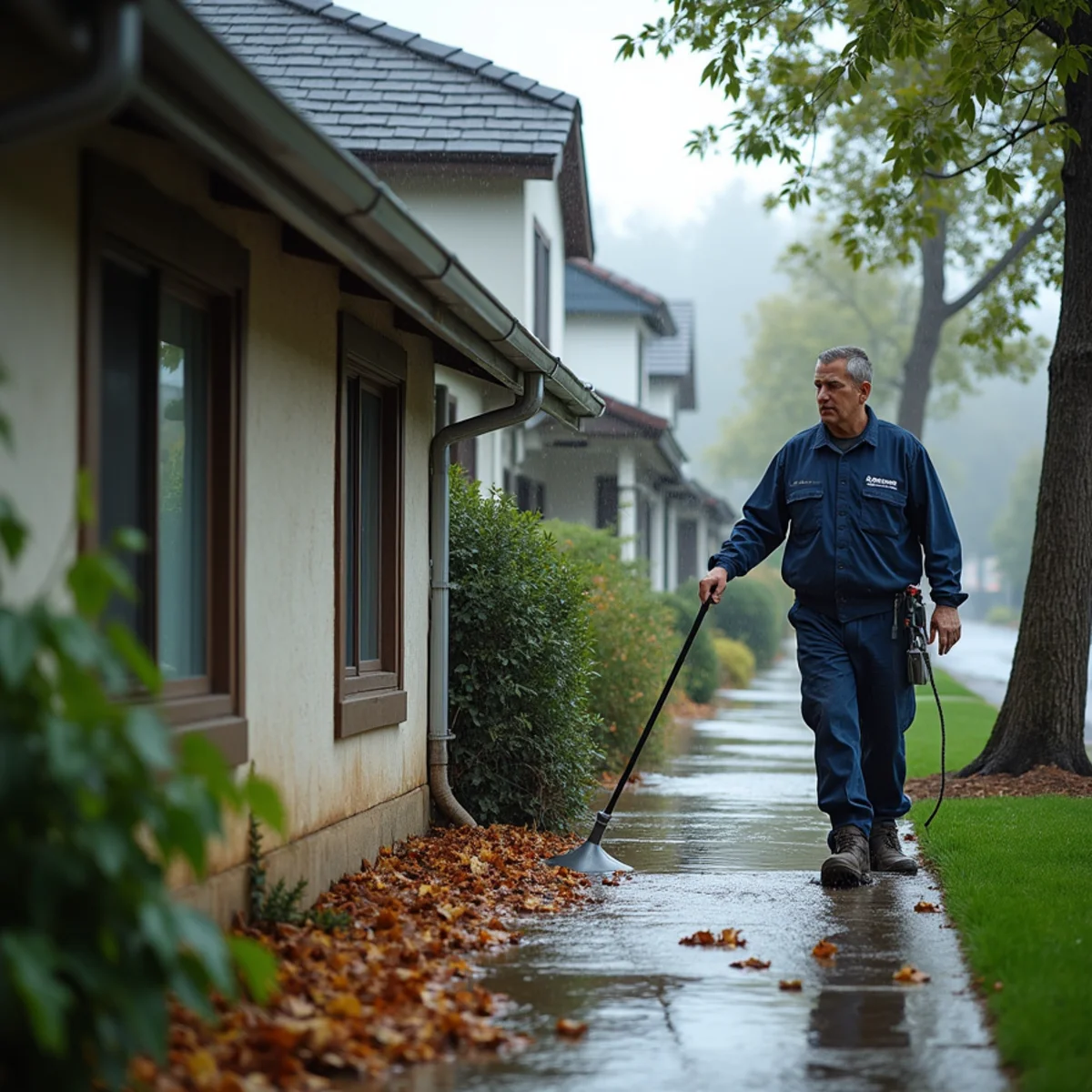
Prevention·8 min read
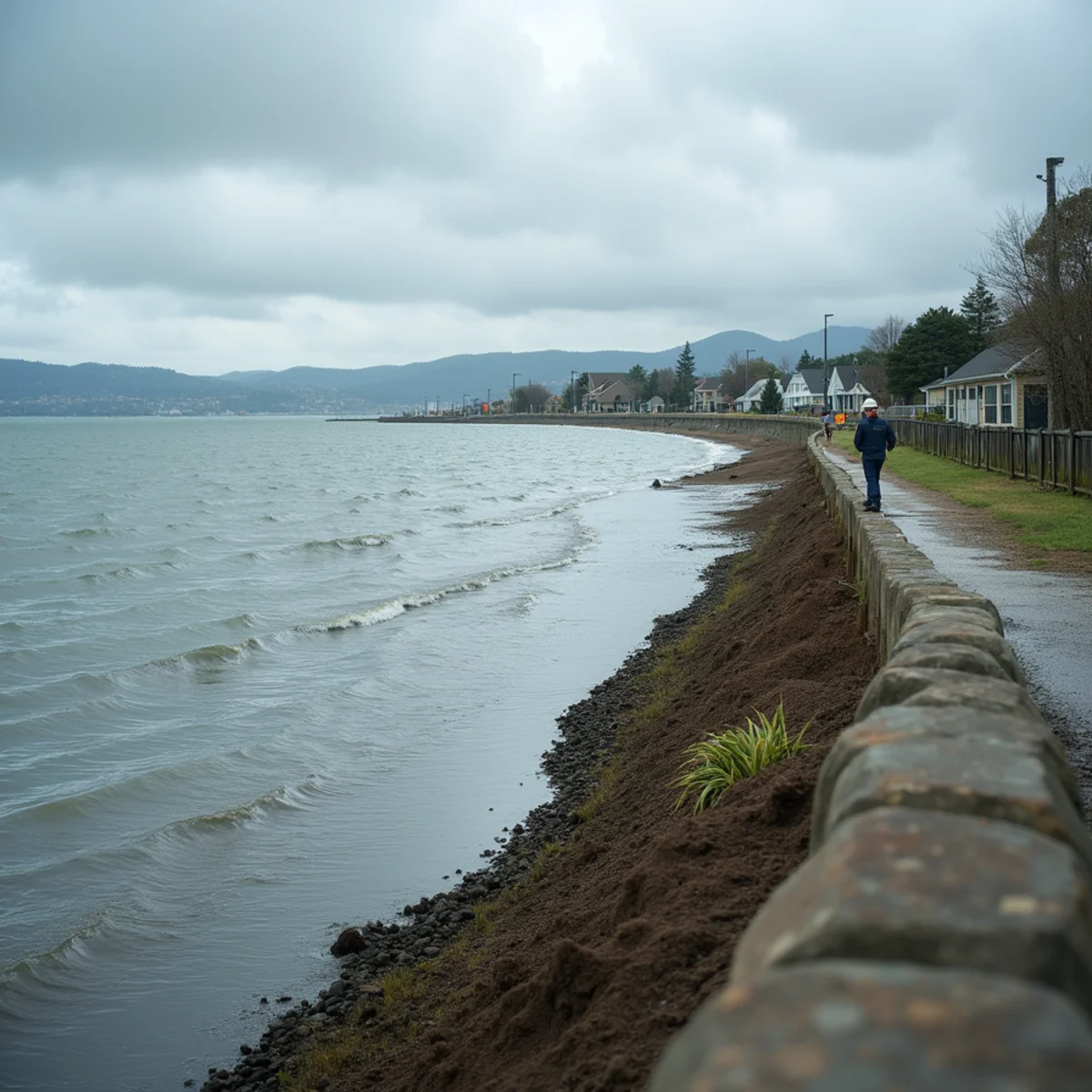
Almost every storm call we take traces to something that would have been a cheap fix in September. Here is that list.
Read the guideCommercial·8 min read
The restoration invoice is rarely the biggest cost. The days you cannot trade are. Here is how to reduce both.
Read the guideProblem-solving·7 min read
Often yes — if it goes on a mat system within about 24 hours. Here is how to read the damage and what the honest odds are.
Read the guideProblem-solving·7 min read
Extraction is hours. Drying is days. Rebuild is weeks. Here is what actually determines each number, and where schedules slip.
Read the guideProblem-solving·8 min read
Mold is a moisture problem wearing a costume. Remove the water and growth stops; clean the growth without removing the water and it returns.
Read the guideProblem-solving·8 min read
Most water damage is discovered late, not because it was subtle, but because nobody knew what to look for. Here is the list.
Read the guidePrevention·8 min read
Most of the losses we respond to were preventable for under $200 and an afternoon. Here is the list, in order of return on effort.
Read the guideEmergency guides·7 min read
Stop the water getting in, then get the water out. Both matter, and with atmospheric rivers arriving in sequence, neither can wait.
Read the guideLocal-specific·8 min read
Roughly 34.5% of properties here carry measurable flood risk. The exposure is not evenly spread, and knowing your version of it matters.
Read the guideEmergency guides·8 min read
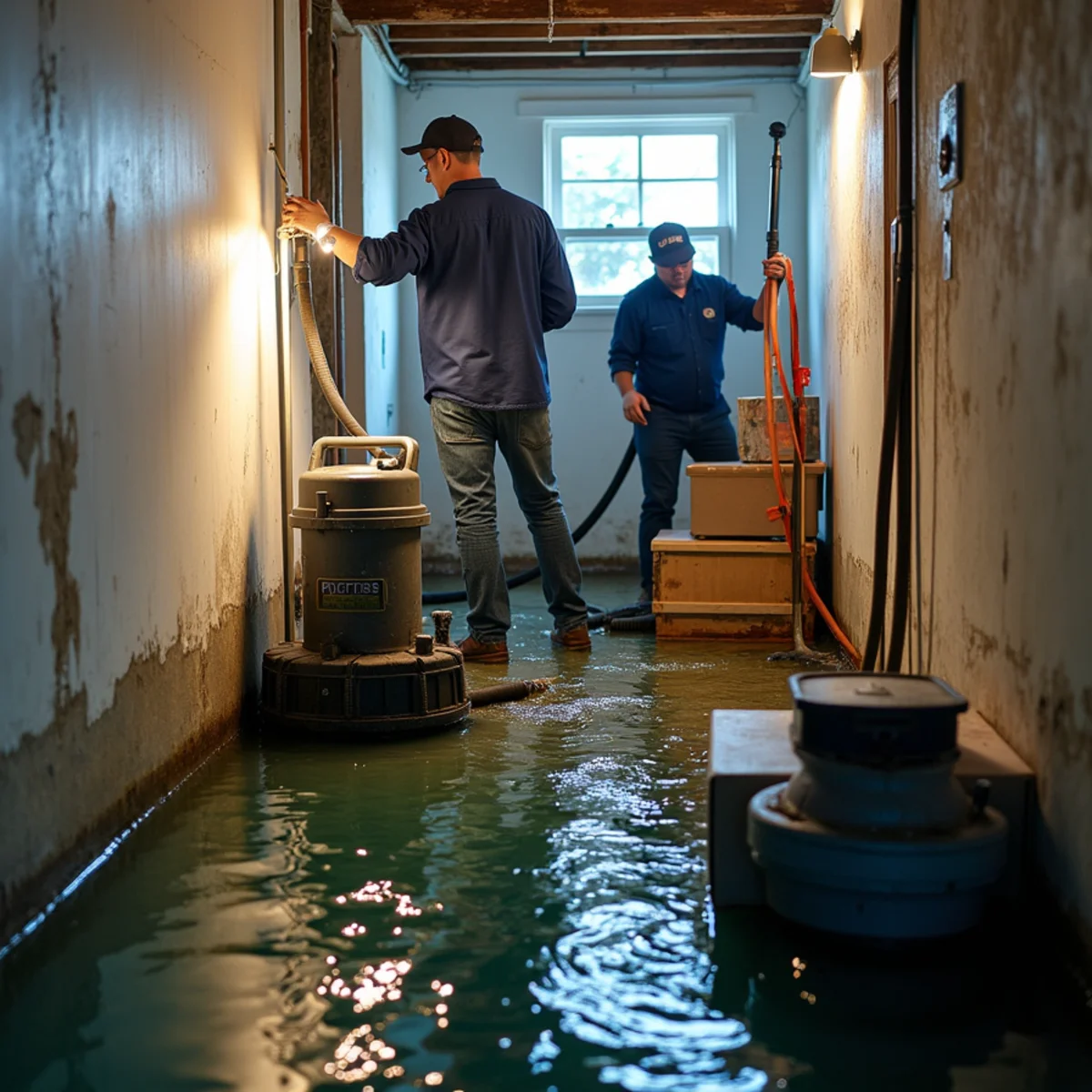
Below-grade water is the slowest to dry and the fastest to grow mold. Here is the order of operations and the honest timeline.
Read the guideCost & insurance·9 min read
The answer is "usually, if it was sudden". Here is where that line actually falls, and how documentation decides the cases near it.
Read the guideEmergency guides·7 min read
Close the door, keep everyone out, and stop using water. Sewage backup is a Category 3 event, and the DIY instinct is the dangerous part.
Read the guideCost & insurance·8 min read
Most restoration companies hide pricing behind a quote form. Here are the actual ranges, what moves them, and how to read an estimate.
Read the guideEmergency guides·8 min read
A half-inch line under pressure moves several gallons a minute. Here is the order of operations, and what to expect once the water is off.
Read the guideEmergency guides·7 min read
The first sixty minutes decide how much of your house ends up in a dumpster. Here is exactly what to do, in order, and what to avoid.
Read the guideHow these are written
Most restoration content on the internet is a national average rewritten for a city name. These are written from jobs run out of 550 Allerton Street, which is why the figures are specific enough to be wrong if they were invented.
Every cost figure across these 15 guides comes from one source and appears identically everywhere it is used: mitigation at $3 – $7.50 per square foot depending on water category, most complete jobs between $1,384 and $6,387, average around $3,867. If we revise those, they change on all 15 guides and every service page at the same time. You will not find one number in an article and a different one on the page it links to.
Drying times are stated as ranges because they genuinely are ranges — three to five days for framing and drywall, seven to ten for slabs, plaster, solid hardwood and below-grade spaces, longer again on bayfill where the water table works against you. Any guide promising a fixed number of days is describing a billing schedule, not a drying plan.
Insurance guidance describes how California policies generally treat sudden and accidental failures versus gradual leaks and deferred maintenance. It is written to help you understand what your adjuster is weighing, and it deliberately stops short of promising an outcome on your specific policy — which nobody who has not read it can honestly do. Every guide is reviewed by our IICRC-certified project managers before it is published, and carries its own published and last-reviewed dates.
The short answers
If you only came for one fact, it is probably one of these. The linked guide has the reasoning behind it.
Reviewed by Water Damage Redwood City — checked by our IICRC-certified project managers.
Last reviewed
FAQ
They are written from the jobs we run, and reviewed by our IICRC-certified project managers before publication. Where a guide states a drying time, a cost range or a material behaviour, it reflects what we see on Peninsula properties rather than a national average copied from somewhere else. Where something varies by address, the guide says so instead of averaging it away.
Call, if water is moving right now. Every emergency guide on this site says the same thing in its first paragraph, because reading is not what the first hour is for. The guides are written for the other two situations: working out what happened after the fact, and stopping the next one.
They are our own published figures, used consistently across the whole site: roughly $3 to $4 per square foot for clean water, $4 to $7 for gray water, $7 to $7.50 for Category 3, with most complete jobs landing between $1,384 and $6,387. A guide will never quote you a firm number for your property, because that depends on what is wet behind the walls.
Each guide carries its own published and last-reviewed date, and the pricing, insurance and response-time figures are drawn from the same source as the rest of the site, so they change everywhere at once rather than drifting page by page. Storm and flood-risk guidance is revisited ahead of each wet season.
They will help you understand the vocabulary — sudden versus gradual, water category, damage class, mitigation versus reconstruction — which is most of what makes a claim conversation difficult. What actually moves an adjuster is documentation from the property itself: the photo record, the daily moisture logs and an itemised scope. A guide cannot substitute for that.
24/7 Emergency Response
Every hour water sits, more of your home becomes demolition rather than drying. Tell us what happened and we will dispatch a crew while you are still on the phone.
550 Allerton St, Redwood City, CA 94063 · Emergency dispatch answered 24/7, including holidays