Emergency guides·7 min read
Emergency Sewage Backup: What Redwood City Homeowners Need to Know
Close the door, keep everyone out, and stop using water. Sewage backup is a Category 3 event, and the DIY instinct is the dangerous part.
Read the guide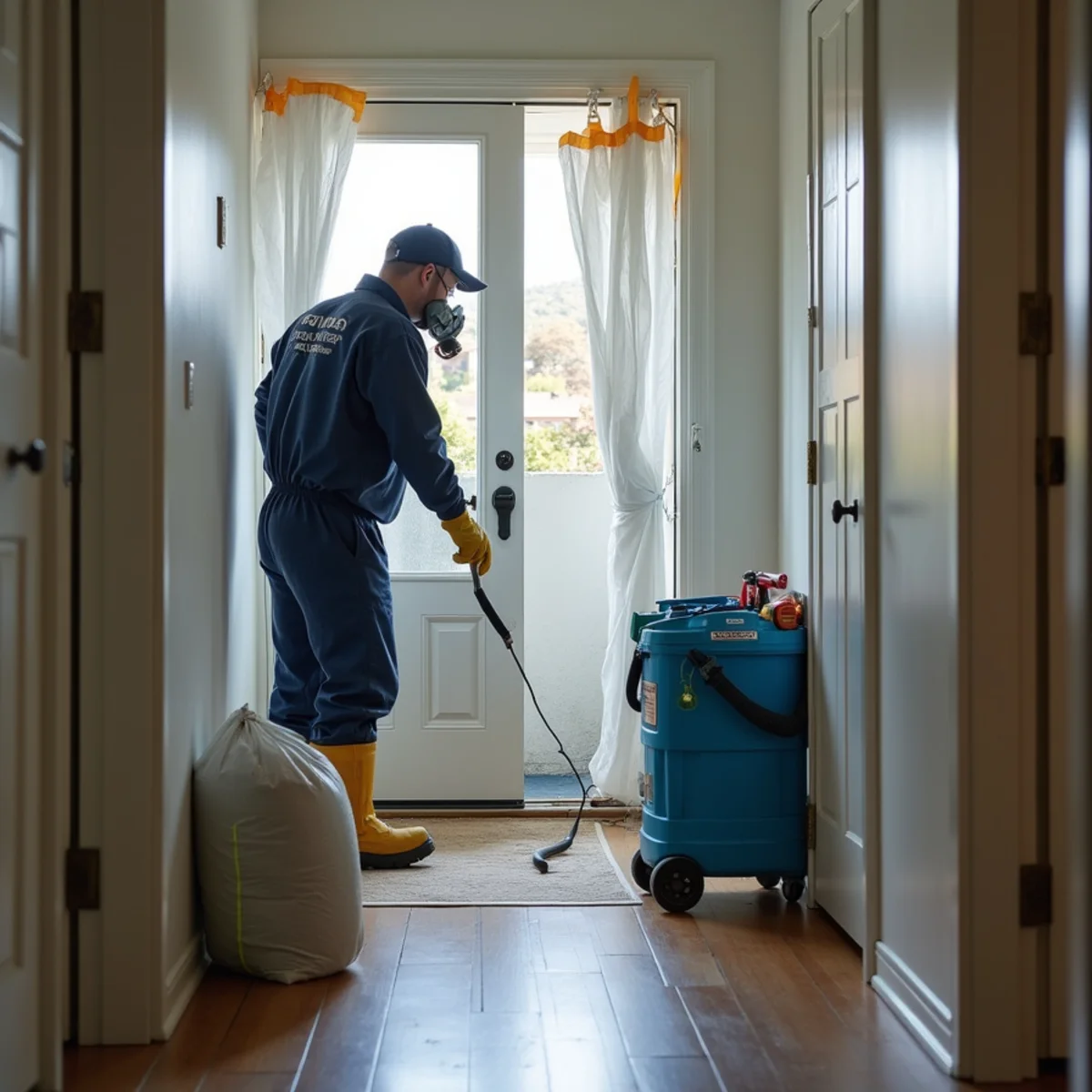
24/7 emergency service · Redwood City, CA
Keep everyone out of the affected area, including pets, and do not try to clean this one yourself. Sewage backup is Category 3 water: it carries bacteria, viruses and parasites, and the health risk is real rather than theoretical.
Answered by a person, 24/7 — crews on site within 60 minutes in Redwood City.
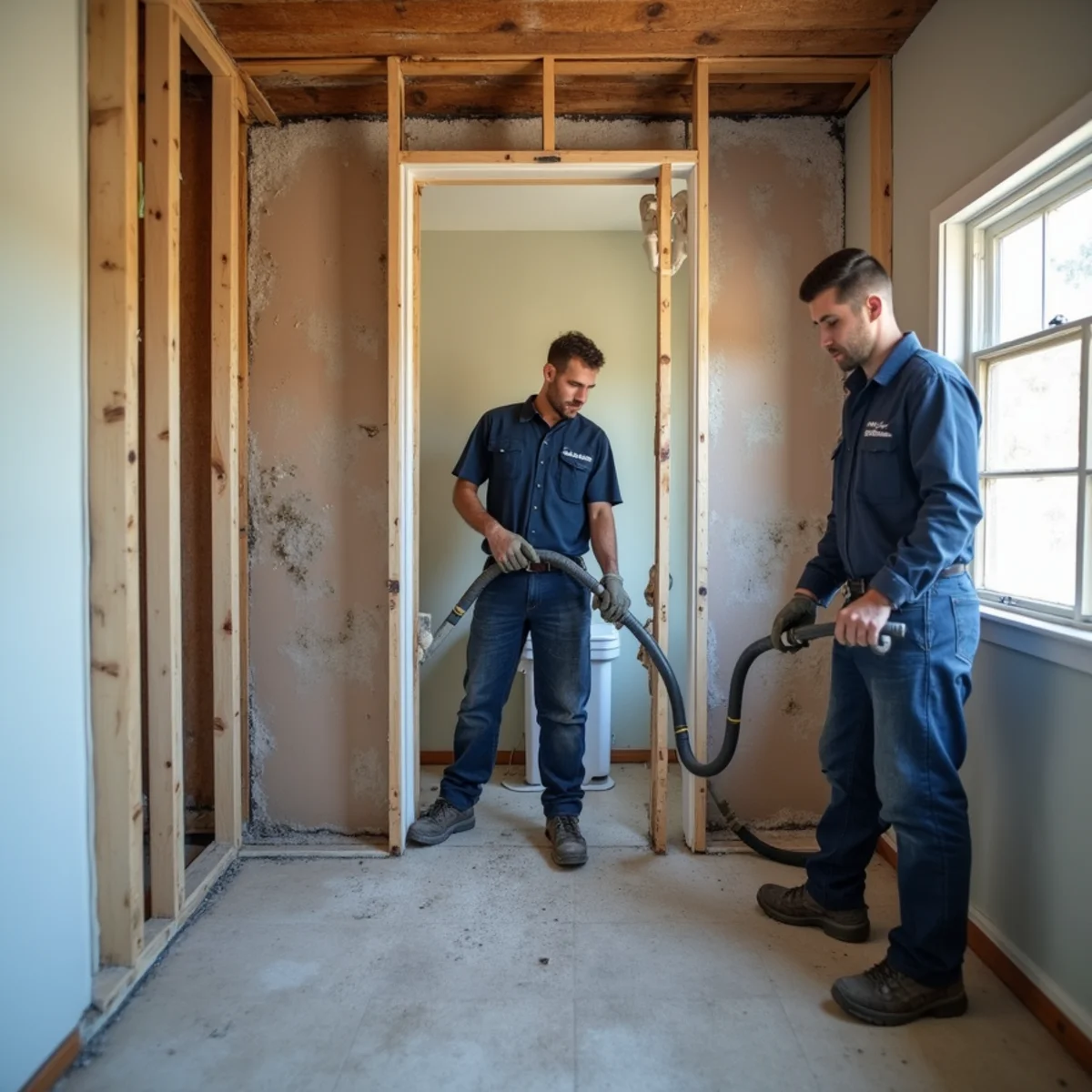
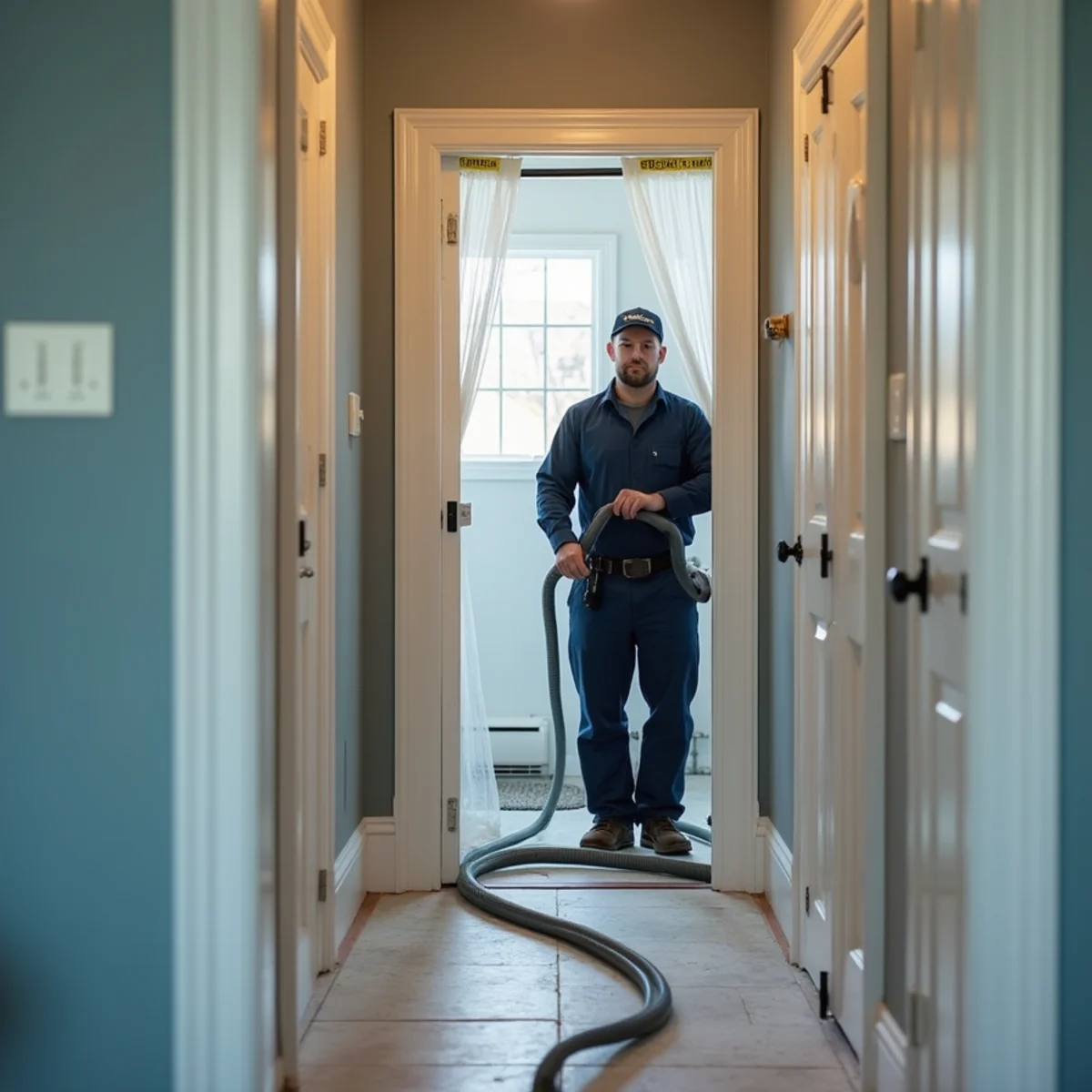
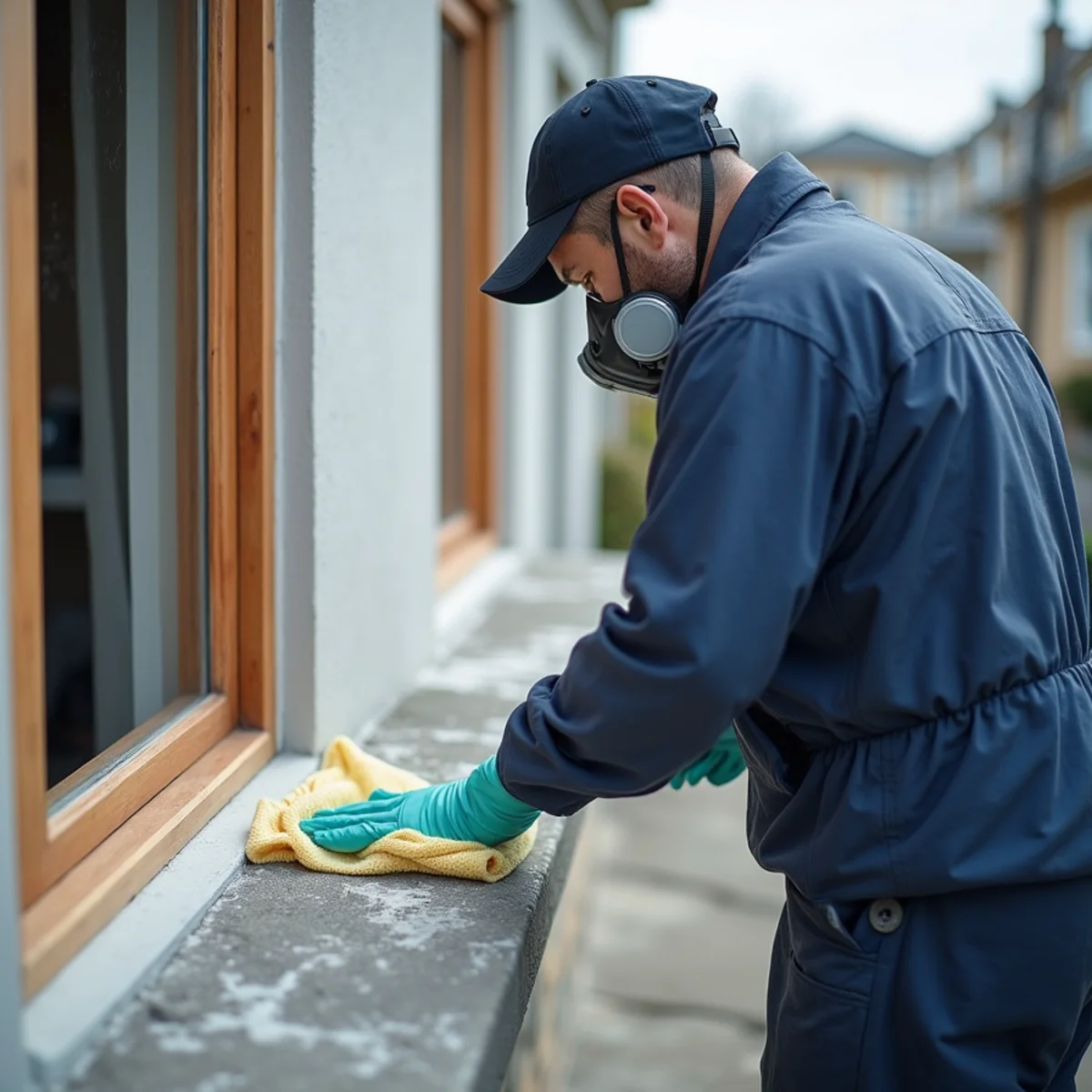
We respond 24/7 with containment, negative air and full PPE. The work is methodical because it has to be — porous material that absorbed contaminated water comes out, hard surfaces get cleaned and sanitised, the air gets filtered, and the structure gets dried and verified before anything goes back.
Most backups in Redwood City trace to one of three things: a lateral blocked by root intrusion in an older neighbourhood, a main line overwhelmed during a heavy winter storm, or a failed ejector pump in a below-grade bathroom. What caused it changes the repair; it does not change how carefully the cleanup has to be done.
Waste water coming up through a floor drain, tub or shower
Backflow at the lowest fixture in the house is the signature of a blocked main or lateral, not a local clog.
Multiple fixtures backing up at once
One slow drain is a clog. Two or more fixtures gurgling or backing up together points at the main line.
A toilet overflow that contained solids
Any overflow with faecal matter is Category 3 regardless of volume, and porous materials it touched need removal, not cleaning.
Sewage odour in a basement, garage or crawl space
A strong sulphur or sewage smell with no visible water often means a cracked lateral or a failed ejector pit under the slab.
Backup during or right after heavy rain
Storm inflow overwhelms lines and pushes waste water back into the lowest connected fixtures. Common across older Peninsula neighbourhoods in atmospheric river events.
Standing water that has been sitting for days
Even clean water becomes Category 3 once it has been stagnant and warm long enough to grow bacteria. Time changes the category.
Our process
Step 1
Isolate the area
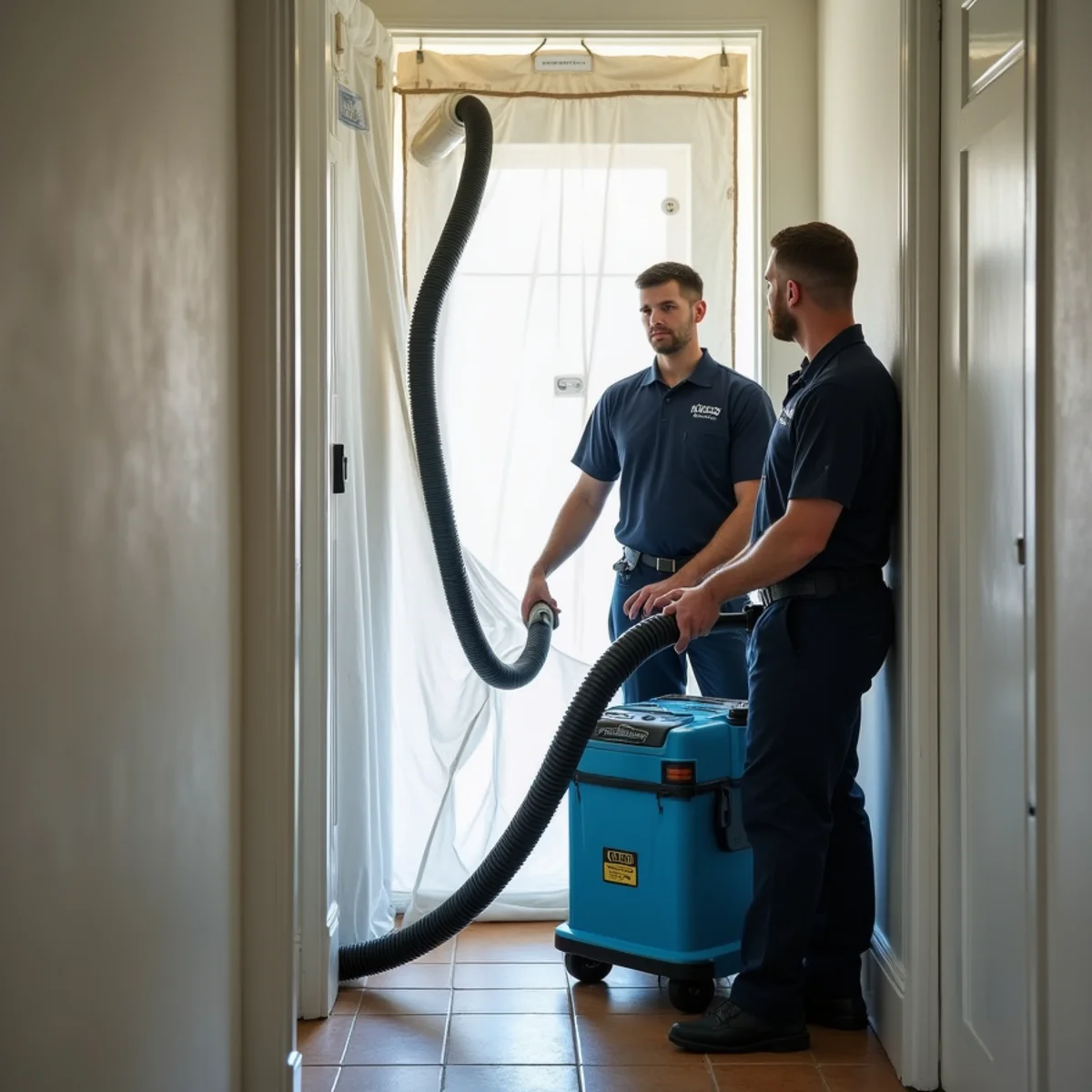
Nobody in the affected space. We set physical containment, run negative air through HEPA filtration, and shut down HVAC serving the area so contamination is not distributed through the house.
Step 2
Remove waste water and solids
Extraction with dedicated equipment that is not used on clean-water jobs, followed by physical removal of solids and residue. Waste is bagged and disposed of according to Category 3 handling requirements.
Step 3
Remove contaminated porous materials
Carpet and pad, affected drywall, insulation, particle-board cabinet bases, and porous contents. This is not optional — these materials cannot be reliably disinfected once contaminated.
Step 4
Clean and sanitise every hard surface
Framing, slab, tile, tubs and fixtures are cleaned, then treated with an appropriate antimicrobial. HEPA air scrubbers keep running through this phase and into drying.
Step 5
Dry, verify, deodorise
Air movers and LGR dehumidifiers with logged daily readings. Odour is addressed at the source rather than masked — if it still smells, something contaminated is still in place.
Step 6
Rebuild
Drywall, insulation, flooring, trim and cabinetry restored, with the full documentation package for your claim.
24/7 Emergency Response
Tell us what you are seeing and we will tell you honestly whether it needs a crew, and what it is likely to involve. Emergency dispatch is answered 24/7.
550 Allerton St, Redwood City, CA 94063 · Emergency dispatch answered 24/7, including holidays
Category 1 clean water becomes Category 2 in a day or two and Category 3 after that. Sewage starts at Category 3, which means the pathogens are present from minute one. E. coli, salmonella, hepatitis A, rotavirus and parasitic organisms are all documented in backup events.
The practical consequence is that cleaning is not enough on porous surfaces. Disinfectant needs contact with the organism, and it cannot reach through the depth of a carpet pad, drywall core or insulation batt. That is why the standard of care is removal rather than treatment for those materials.
It is also why a household bleach-and-mop approach is genuinely risky. Aerosolising contaminated water while cleaning is one of the main exposure routes, and bleach on a porous surface sanitises the top layer while leaving what is underneath alive.
Root intrusion in older laterals — Mature street trees in neighbourhoods like Mount Carmel, Redwood Oaks and Palm Park send roots into clay and cast-iron laterals through joints. Roots catch solids and the line blocks.
Storm inflow overwhelming the system — Winter atmospheric rivers put enormous volume into the network in a short window. Low-lying connections take the backflow first.
Grease and wipes — So-called flushable wipes do not break down. Combined with kitchen grease they form blockages that hold until the next high-volume event.
Failed ejector or sump pumps — Below-grade bathrooms and laundries rely on a pump to lift waste to the main line. When it fails, the pit overflows into the lowest finished space.
Collapsed or offset older pipe — Cast iron and clay lines from the mid-century era eventually crack or shift, especially with soil movement. A camera inspection tells you which problem you have.
Keep people and pets out — Close the door to the affected room. Children and anyone immunocompromised should stay well clear.
Stop using water in the house — Every flush and every load of laundry adds volume to a line that cannot take it.
Do not run the HVAC — It will pull contaminated air into ducts and distribute it through the house.
Do not attempt DIY cleanup — No wet vac, no mop, no bleach. Aerosolising sewage is the main exposure pathway, and household PPE is not adequate.
Photograph from the doorway — You still want documentation for the claim — just take it from outside the contaminated area.
Wash thoroughly if you had contact — Soap and water, and contact a doctor if you have broken skin exposure or develop symptoms.
Honest pricing
We publish ranges rather than hiding them behind a form. Mitigation runs $3 – $7.50 per square foot depending on water category, and most complete jobs land between $1,384 and $6,387. You get an itemised written estimate after inspection — never a firm number before anyone has checked for hidden moisture.
Why us for this
Restoration gets bought in a hurry, usually from whoever answers first. These are the things worth checking before you hand anyone a key — and what we put in writing on every sewage cleanup job.
Physical containment, negative air through HEPA filtration, full PPE and equipment that never touches a clean-water job. The dangerous moment is when contaminated material is disturbed, and everything about the setup exists to control it.
Disinfectant cannot reach through a carpet pad, a drywall core or an insulation batt. Anyone offering to clean and dry those after sewage is selling you a callback with a health risk attached.
If it still smells, something contaminated is still in place — usually pad under a tack strip or drywall behind a cabinet. We chase the source rather than masking it with fragrance.
You will be told plainly which parts of the home stay usable while we work, and when the space is safe to occupy versus when it is finished. For a household sharing a bathroom, that is the question that actually matters.
Honest pricing
Mitigation is priced per square foot by water category. Reconstruction is quoted separately, and you get an itemised written estimate after inspection rather than a number over the phone.
| Water category | Typical source | Health risk | Mitigation cost |
|---|---|---|---|
| Category 1 — clean water | Broken supply lines, sink and tub overflows, clean appliance leaks | Low risk if dried quickly | $3 – $4 / sq ft |
| Category 2 — gray water | Washing machine or dishwasher discharge, urine-only toilet overflow, sump failure | Moderate — bacteria present, can cause illness | $4 – $7 / sq ft |
| Category 3 — black water | Sewage backup, storm floodwater, toilet overflow with solids, microbial growth | High — pathogens; PPE and containment required | $7 – $7.50 / sq ft |
Insurance
We bill your carrier directly for covered work, so you are not floating the cost and waiting on reimbursement. You do not need to wait for an adjuster before emergency mitigation starts — policies expect you to take reasonable steps to limit the damage.
Sudden and accidental damage — a burst supply line, a failed water heater, an appliance hose — is covered by most California policies. Gradual leaks and deferred maintenance often are not, rising water from outside needs separate flood insurance, and sewer backup usually needs its own endorsement.
Nobody can promise what your carrier will decide. What we can promise is that the loss is documented well enough for that decision to be made on the facts.
California coverage explainedSewage Cleanup in Redwood City? A person answers 24/7 and gives you shut-off instructions while the crew is on the way.
+1 (201) 277-9344Emergency guides·7 min read
Close the door, keep everyone out, and stop using water. Sewage backup is a Category 3 event, and the DIY instinct is the dangerous part.
Read the guideProblem-solving·8 min read
Mold is a moisture problem wearing a costume. Remove the water and growth stops; clean the growth without removing the water and it returns.
Read the guideReviewed by Water Damage Redwood City — checked by our IICRC-certified project managers.
Last reviewed
Where we provide this service
We cover Redwood City and the surrounding Peninsula. Local conditions change the plan — bayfill slabs dry slowly, hillside runoff is contaminated, and pre-1960 housing hides leaks under concrete — so pick your area for specifics.
FAQ
We strongly advise against it, even for a small toilet overflow with solids. The exposure risk comes from aerosolising contaminated water during cleaning, and household protective equipment is not adequate. Porous materials also need removal rather than surface disinfection, which is difficult to judge without moisture mapping.
Standard California homeowners policies frequently exclude sewer and drain backup unless you carry a specific water backup endorsement, which is usually inexpensive and worth having. Coverage differs by carrier and policy, so we document the source, the affected area and the required scope in detail so the claim is decided on facts. We bill carriers directly for covered work.
Yes, when the source is actually removed. Persistent odour after a cleanup means contaminated material is still in place — usually pad under a tack strip, drywall behind a cabinet, or a wet subfloor. We treat lingering odour as a diagnostic signal rather than something to cover with fragrance.
Removal, cleaning and sanitisation typically take one to two days for a bathroom-scale event. Drying then runs 3 to 5 days with daily verification, and rebuild follows. We will tell you specifically when the space is safe to occupy versus when it is finished.
Usually yes, provided the affected area is fully contained and you stay out of it. We set physical barriers with negative air so the work zone is under lower pressure than the rest of the house, and we shut down HVAC serving that area so nothing is distributed through the ducts. Where the backup reached a main living space, a shared HVAC system or more than one floor, we will say plainly that staying elsewhere for a night or two is the better call.
24/7 Emergency Response
A person answers 24/7 and gives you shut-off and safety instructions while a crew is already on the way. Emergency mitigation is loss-limiting work your policy expects you to start immediately.
550 Allerton St, Redwood City, CA 94063 · Emergency dispatch answered 24/7, including holidays