Emergency guides
Emergency Sewage Backup: What Redwood City Homeowners Need to Know
Close the door, keep everyone out, and stop using water. Sewage backup is a Category 3 event, and the DIY instinct is the dangerous part.
Right now: four things
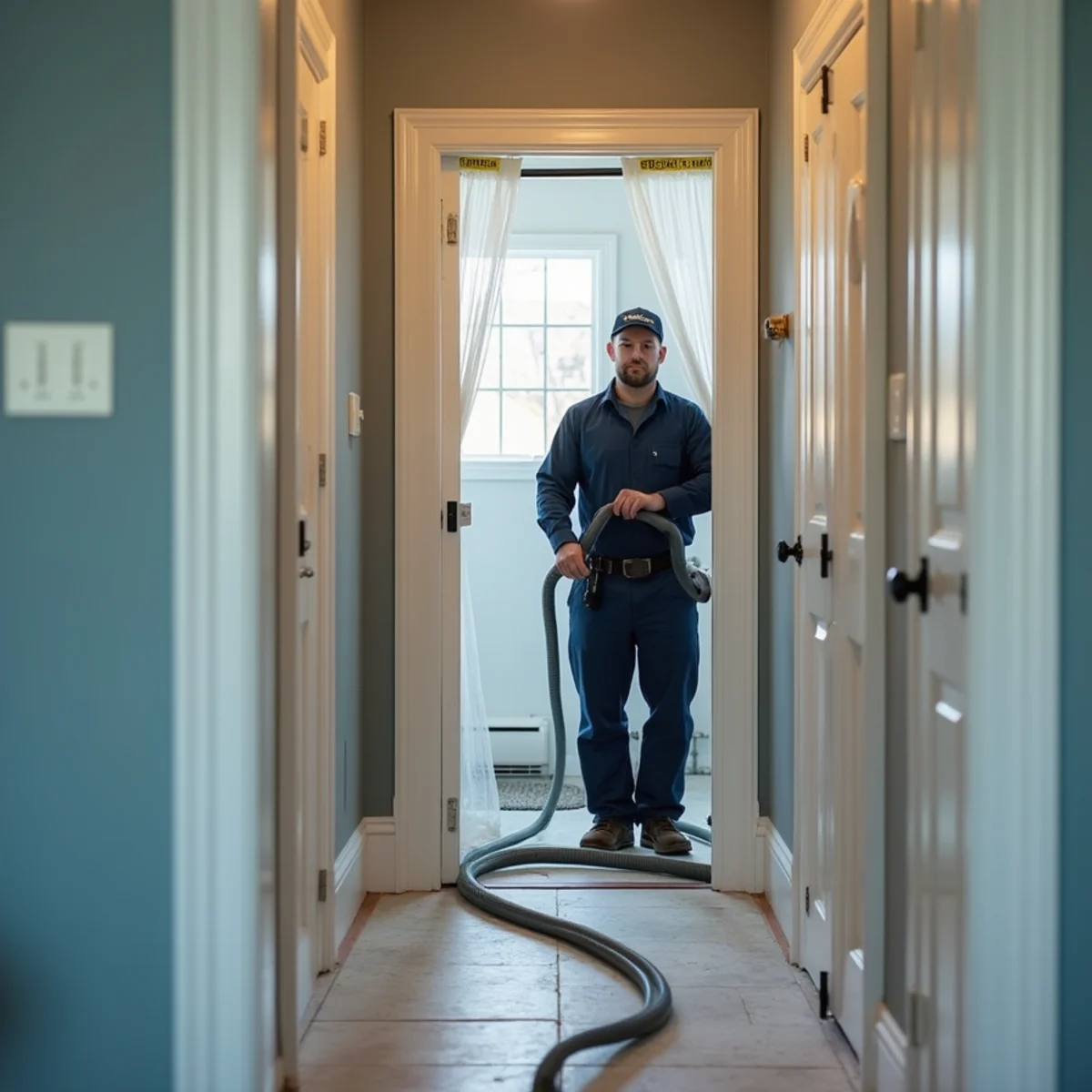
Keep everyone out of the affected area, including pets. Close the door if you can.
Stop using water anywhere in the house. Every flush, every sink and every load of laundry adds volume to a line that cannot accept it.
Do not run the HVAC. It will pull contaminated air into the duct system and distribute it through the whole house.
Do not attempt to clean it yourself. This is the part people get wrong, and it is the part with actual health consequences.
Why this is different from a water leak
Restoration classifies water into three categories. Category 1 is clean supply water. Category 2 is gray water with some contamination — appliance discharge, a urine-only overflow. Category 3 is black water: sewage, storm flooding, or any water containing harmful bacteria, viruses and parasites.
Sewage starts at Category 3. The pathogens are present from the first minute — E. coli, salmonella, hepatitis A, rotavirus and parasitic organisms are all documented in backup events.
The practical consequence is that cleaning is not sufficient on porous surfaces. Disinfectant only works where it makes contact, and it cannot reach through the depth of a carpet pad, a drywall core or an insulation batt. That is why the standard of care for those materials is removal, not treatment.
It is also why household cleanup is genuinely risky. Aerosolising contaminated water while mopping or vacuuming is one of the main exposure routes, and bleach on a porous surface sanitises the top layer while leaving what is beneath it alive.
Why backups happen here
Root intrusion in older laterals — The most common cause in Redwood City. Mature street trees in neighbourhoods like Mount Carmel, Redwood Oaks and Palm Park send roots into clay and cast iron lateral joints. Roots catch solids, and the line blocks.
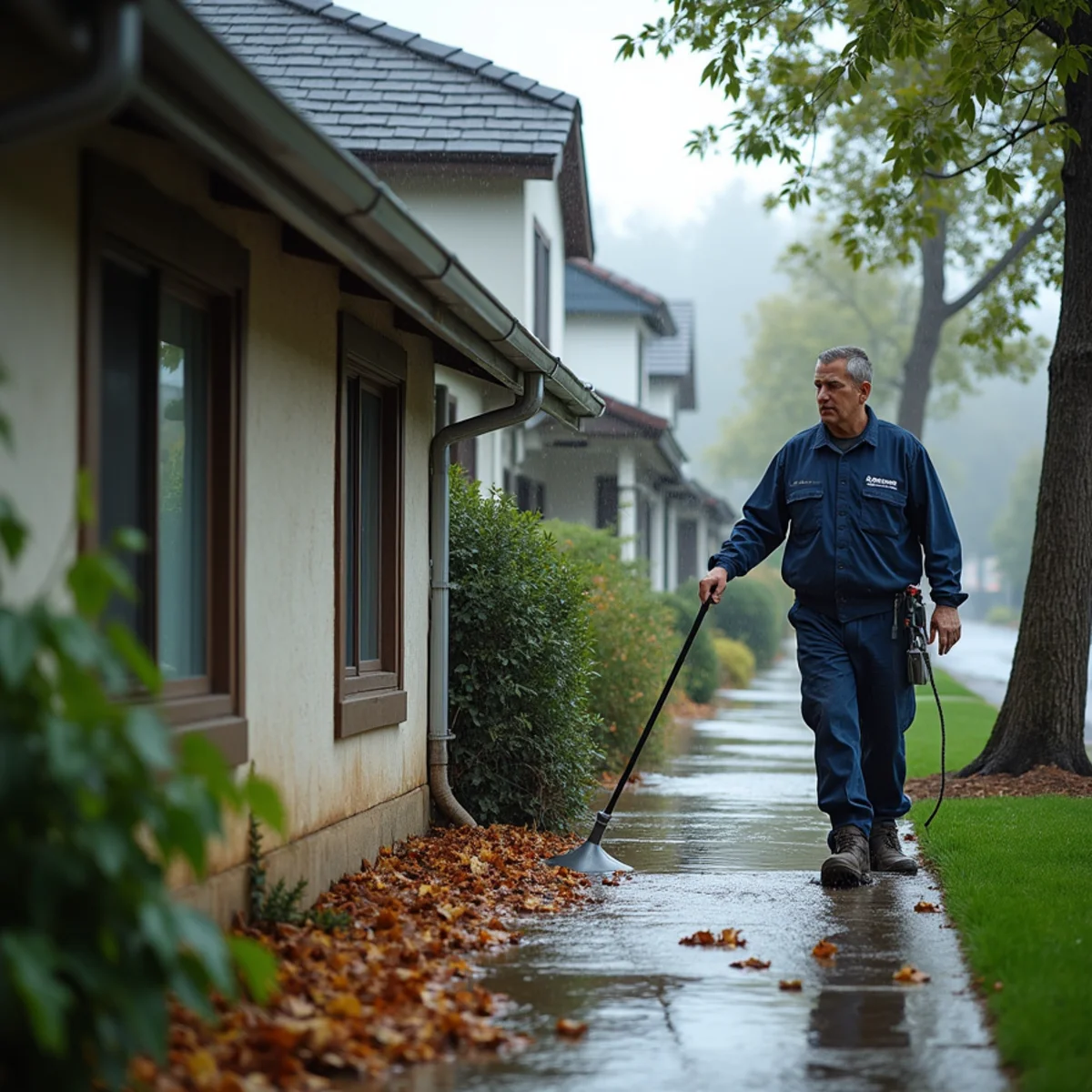
Storm inflow overwhelming the system — Winter atmospheric rivers put enormous volume into the network in a short window, and the lowest connected fixtures take the backflow first. This is why backups cluster during storms.
Grease and wipes — So-called flushable wipes do not break down. Combined with kitchen grease they form blockages that hold until the next high-volume event.
Failed ejector or sump pumps — Below-grade bathrooms and laundries rely on a pump to lift waste to the main line. When the pump fails, the pit overflows into the lowest finished space.
Collapsed or offset older pipe — Cast iron and clay lines from the mid-century era crack or shift with soil movement. A camera inspection tells you which problem you actually have.
How professional cleanup works
The whole protocol is designed around one fact: the dangerous moment is when contaminated material is disturbed, because that is when airborne contamination spikes.
- 1
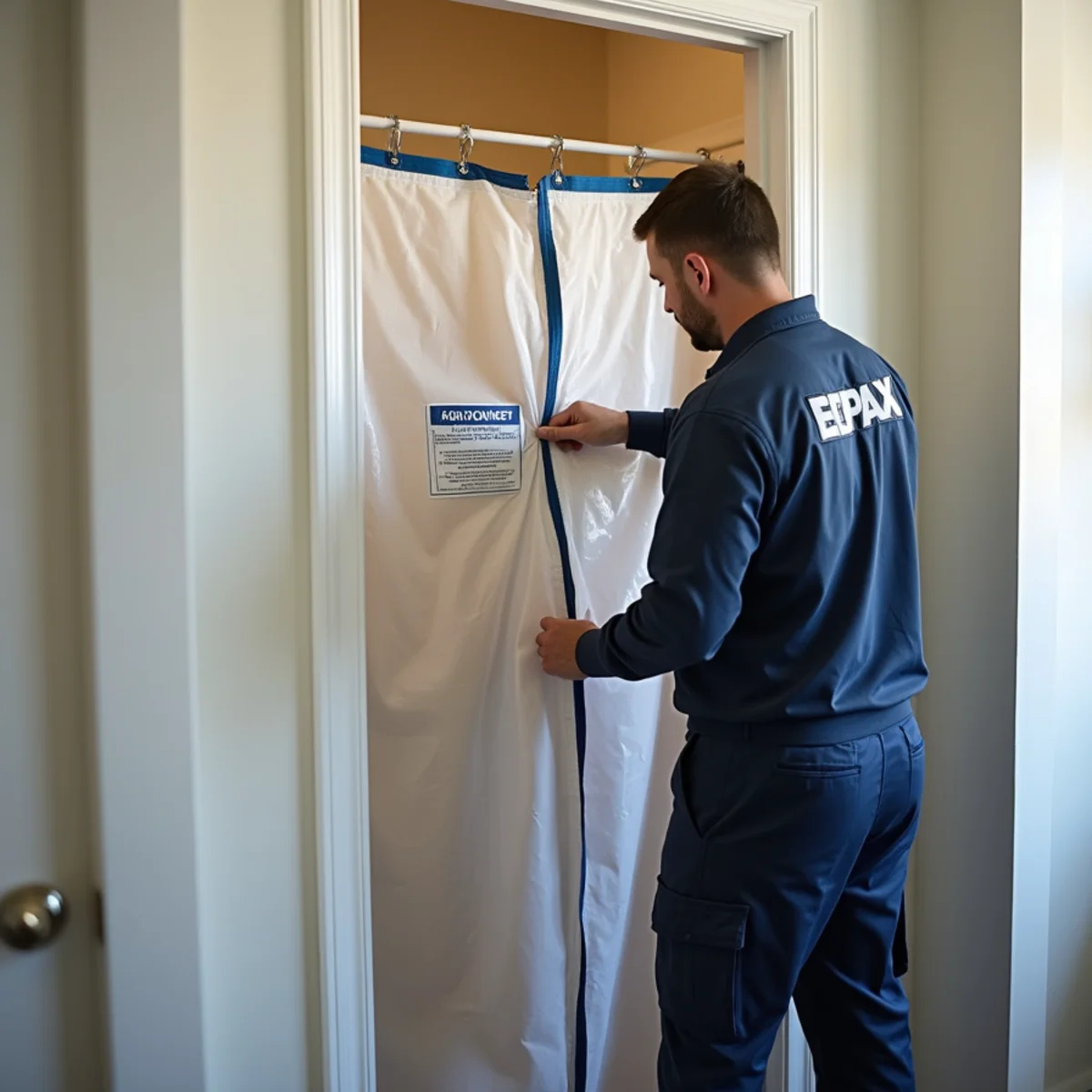
Isolate
Physical containment around the work area, HVAC shut down and isolated, and negative pressure through HEPA filtration so contaminated air exits the containment rather than travelling through the house.
- 2
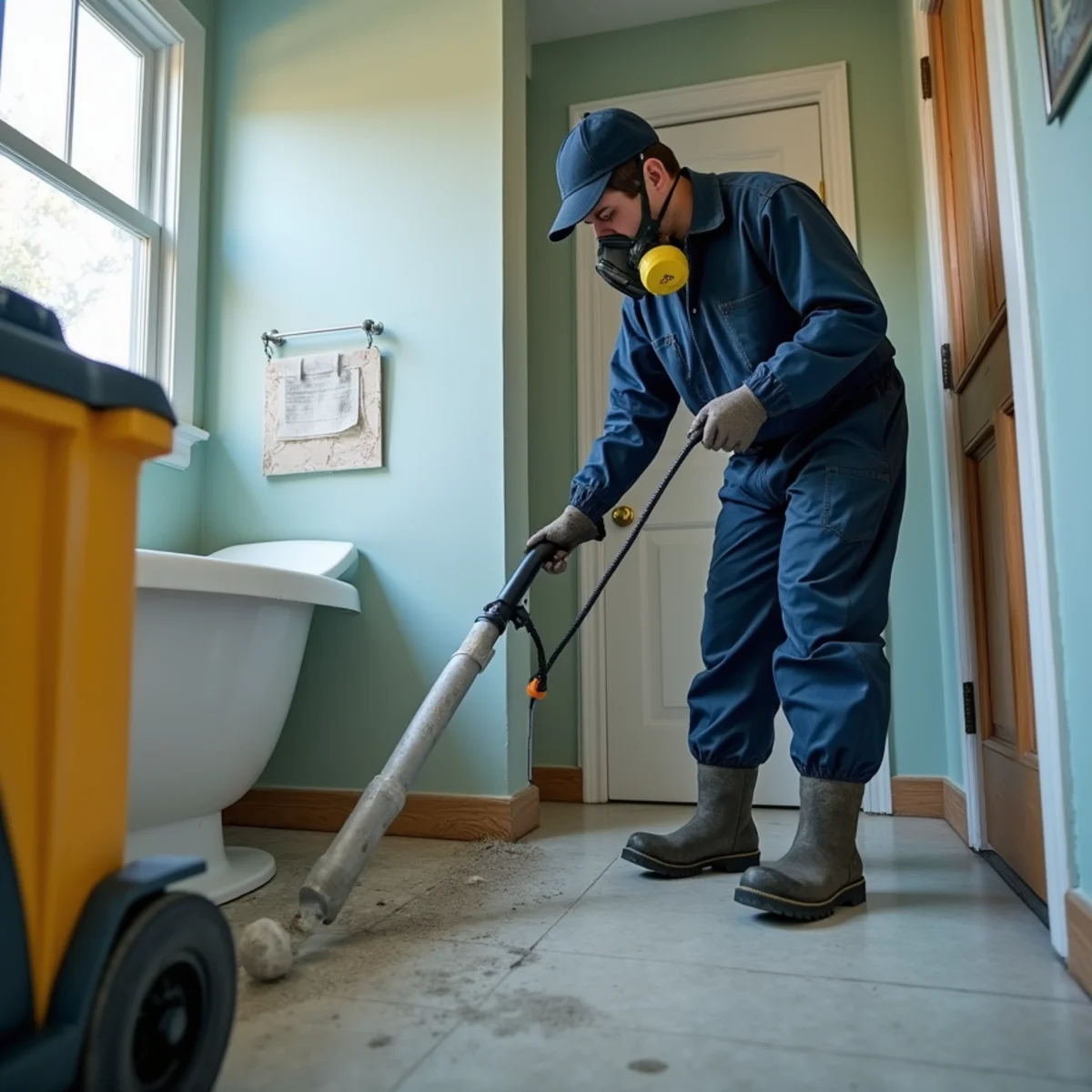
Remove waste water and solids
Extraction with equipment dedicated to Category 3 work, then physical removal of solids and residue, bagged and disposed of under regulated handling.
- 3
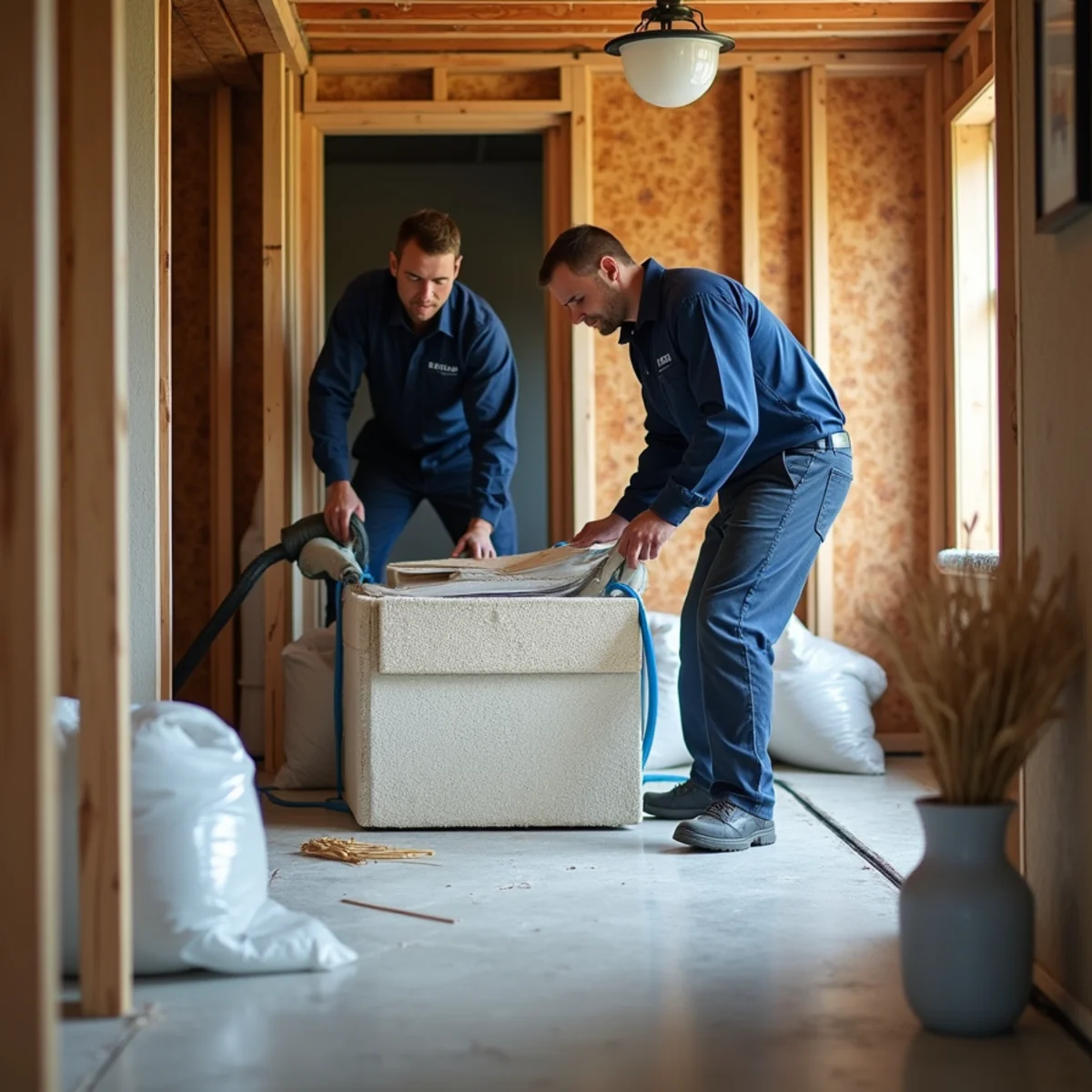
Remove porous materials
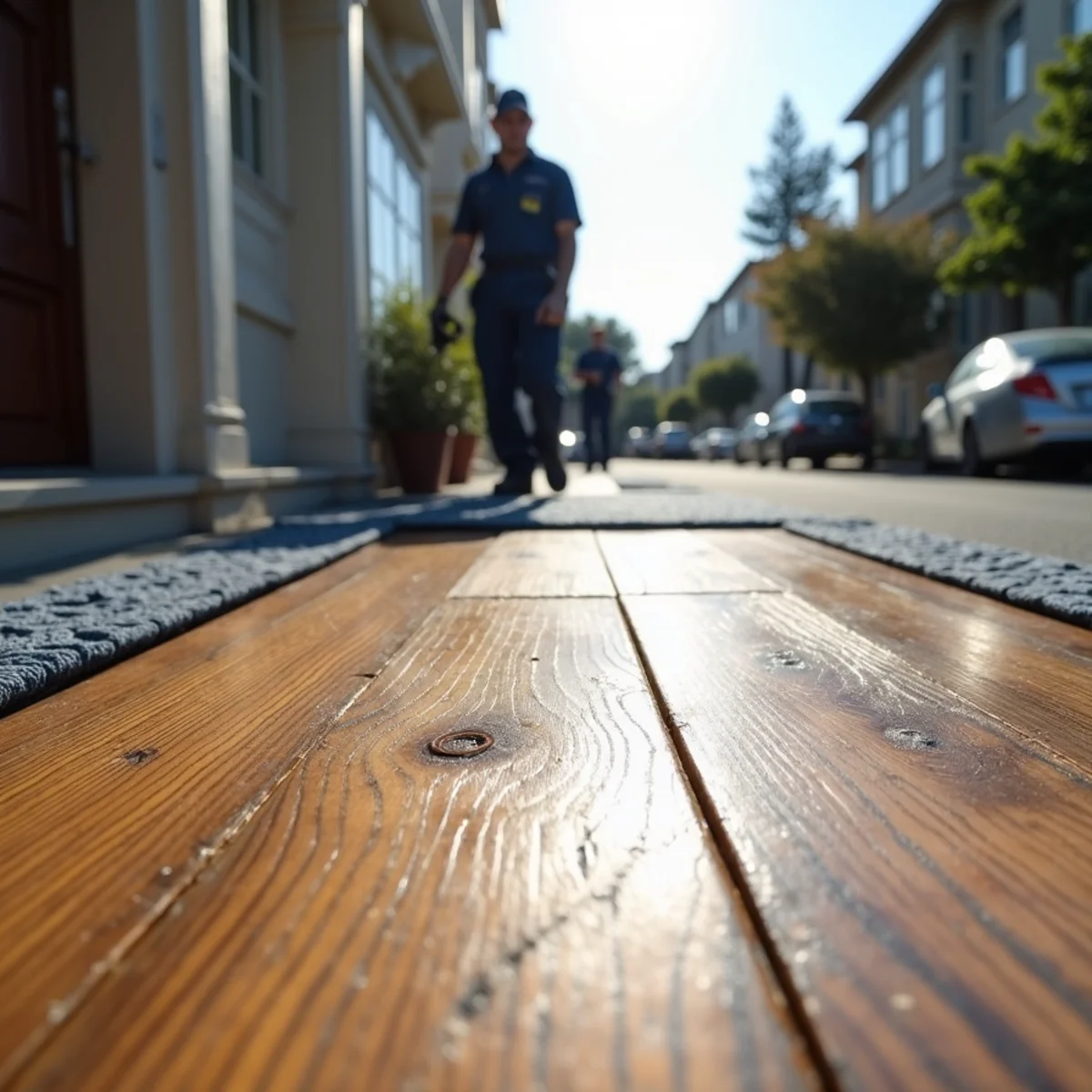
Carpet and pad, affected drywall, insulation, particle-board cabinet bases and porous contents. Not optional — these cannot be reliably disinfected once contaminated.
- 4
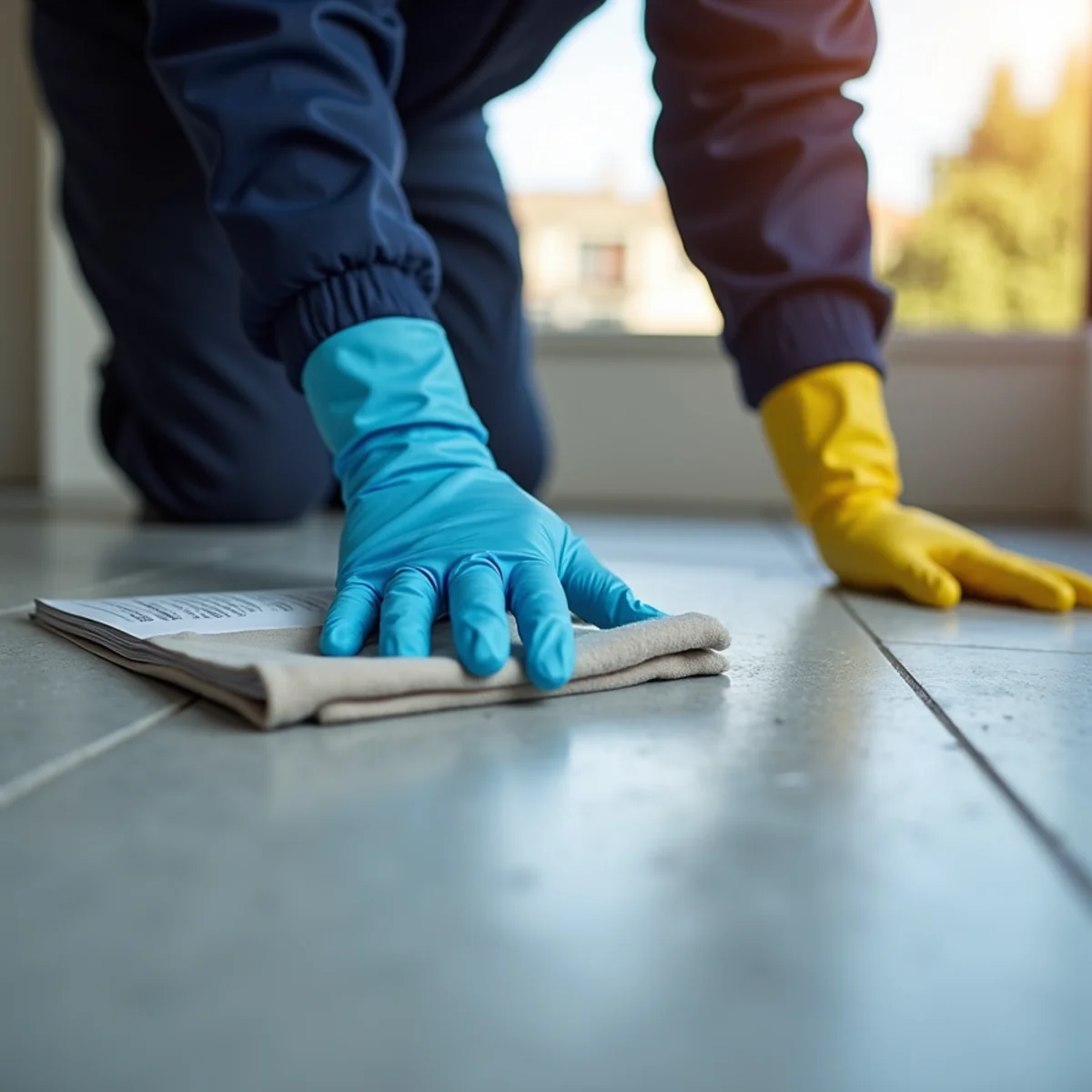
Clean and sanitise
Framing, slab, tile, tubs and fixtures cleaned, then treated with an appropriate antimicrobial, with HEPA air scrubbers running throughout.
- 5
Dry and verify
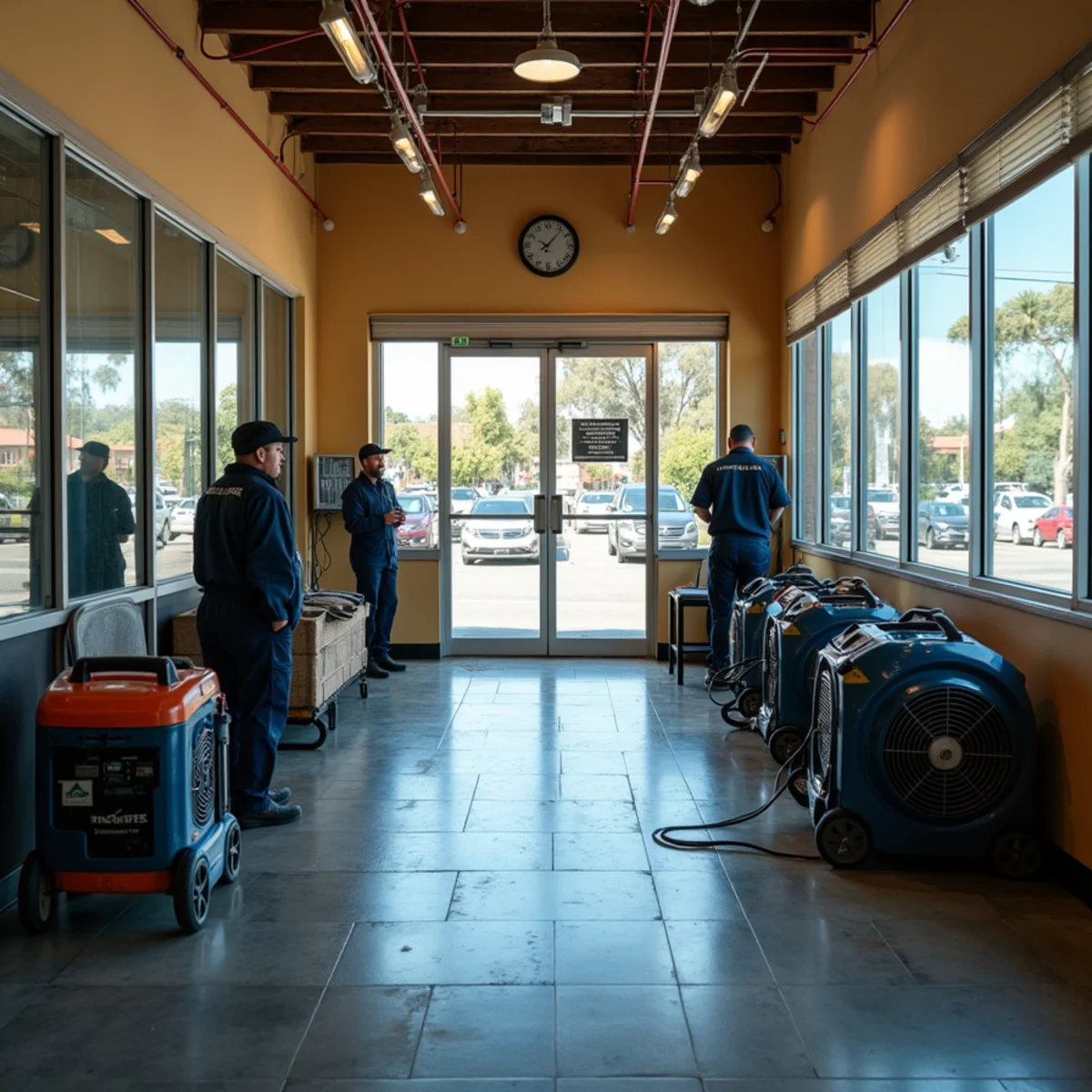
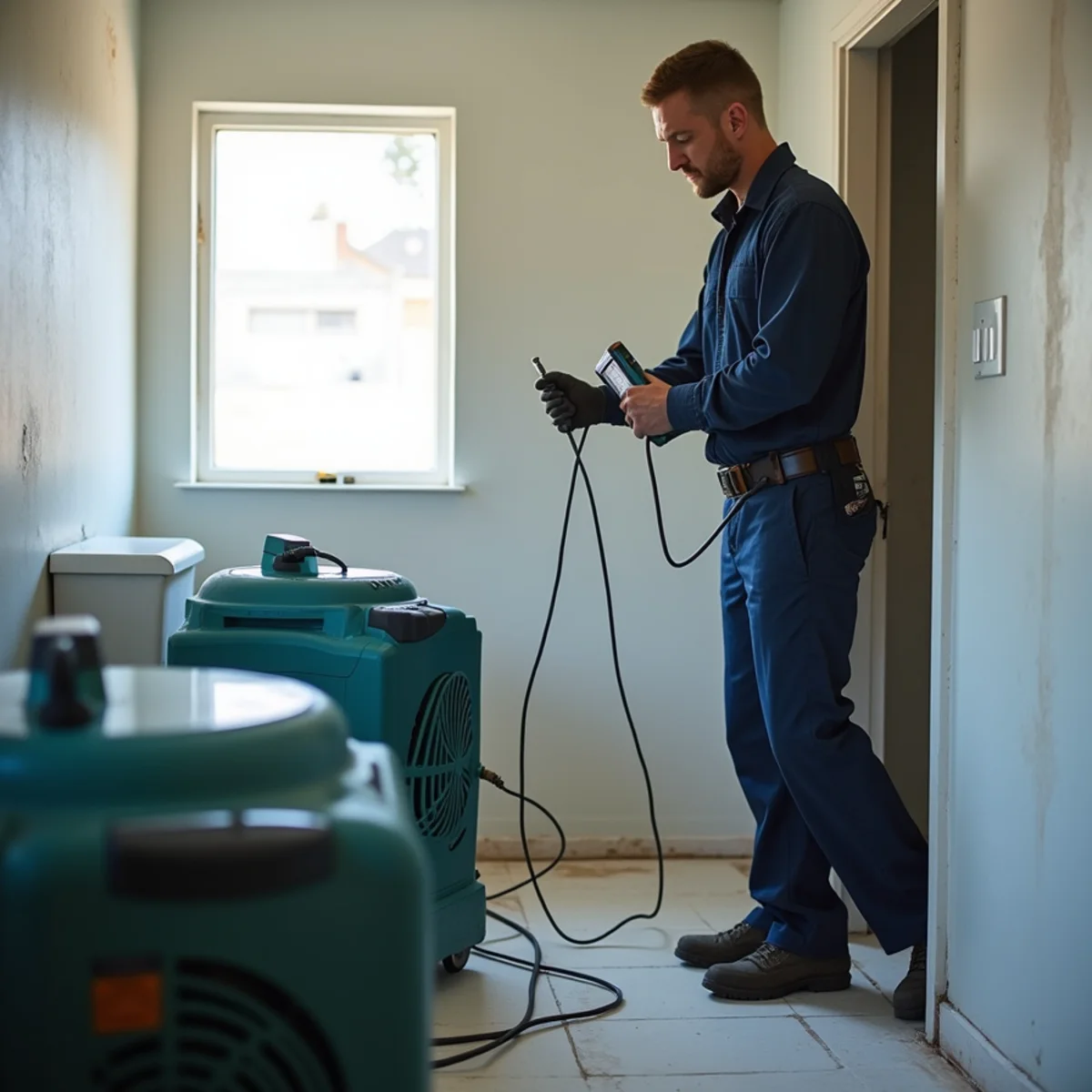
Air movers and LGR dehumidifiers with logged daily readings until materials hold at dry standard.
- 6
Rebuild
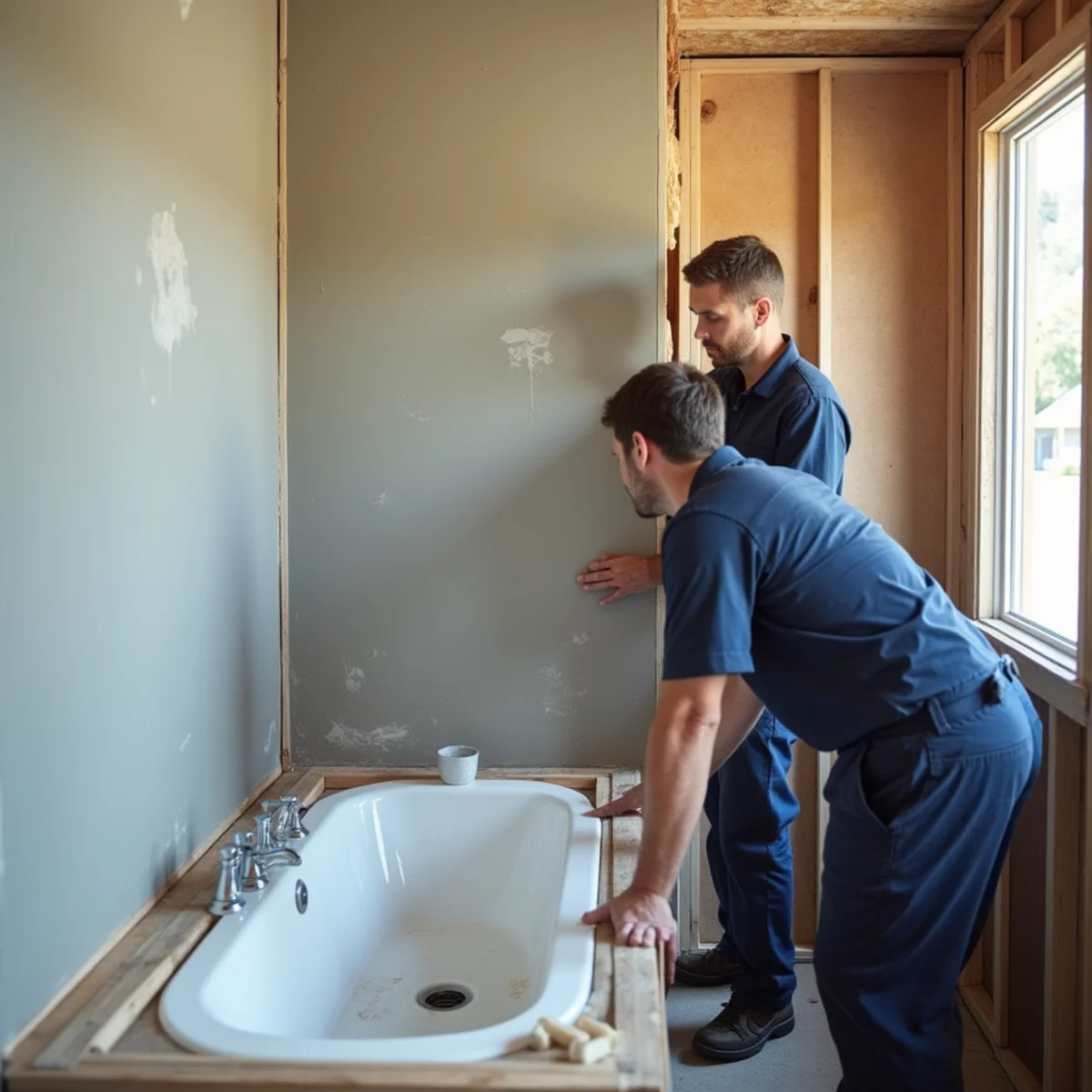
Insulation, drywall, flooring, trim and cabinetry restored, with the full documentation package for your claim.
Odour is a diagnostic, not a nuisance
If a space still smells after a sewage cleanup, something contaminated is still in place. Almost always it is pad under a tack strip, drywall behind a cabinet run, or a wet subfloor.
That is why we treat lingering odour as information rather than something to mask with fragrance. Deodorising a space that still contains contaminated material buys a few days and then the smell returns, usually on the first humid day.
The insurance detail that catches people out
Sewer and drain backup is frequently excluded from standard California homeowners policies unless you carry a specific water backup endorsement. That endorsement is usually inexpensive, and given how many older laterals in this county have root intrusion, it is one of the better-value additions available.
Check whether you have it before you need it. If a backup happens and you do not, the cleanup is still necessary — Category 3 work is not optional — but it will be out of pocket.
We document the source, the affected area and the required scope in detail so coverage decisions are made on facts, and we bill carriers directly for covered work. Our sewage backup cleanup page covers the full scope of work.
Reducing the odds of a repeat
Camera the lateral rather than just clearing it — Snaking clears the blockage; a camera tells you whether you have roots, a crack, an offset joint or a collapse. Those need different fixes.
Consider a backwater valve — A backflow prevention device on the lateral stops the municipal line pushing waste back into your house during a capacity event. Worth pricing if you are at a low point.
Stop putting grease down the drain — And stop flushing wipes, regardless of the label.
Have root intrusion treated on a schedule — If you have mature trees and an older lateral, periodic maintenance is cheaper than annual emergencies.
Service your ejector pump — If you have a below-grade bathroom or laundry, that pump is the only thing between the pit and your finished floor.
24/7 Emergency Response
Dealing with this in Redwood City right now?
We answer 24/7 and can usually be on site within the hour. Extraction, verified drying and the rebuild, documented for your insurer.
- IICRC-certified technicians
- Licensed, bonded & insured
- Direct insurance billing
- 24/7 live answer — no phone trees
550 Allerton St, Redwood City, CA 94063 · Emergency dispatch answered 24/7, including holidays