Problem-solving
Hardwood Floor Water Damage: Can It Be Saved?
Often yes — if it goes on a mat system within about 24 hours. Here is how to read the damage and what the honest odds are.
Why the answer depends on hours, not days
Hardwood is usually the most expensive material water touches in a Peninsula home. Replacement runs $10 to $15 per square foot depending on species and finish; specialty drying costs a fraction of that.
The variable that decides which one you are paying for is how quickly the floor gets on a mat drying system. Within about 24 hours, the odds are genuinely good. Past 48 to 72 hours, cupping is usually set and replacement becomes the likely outcome.
That is why hardwood is the one material where we will tell you on the phone to stop reading and call. Every hour matters in a way it does not for drywall.
Reading the damage
Wood absorbs water across the grain and swells. What you see on the surface tells you how far that process has gone.
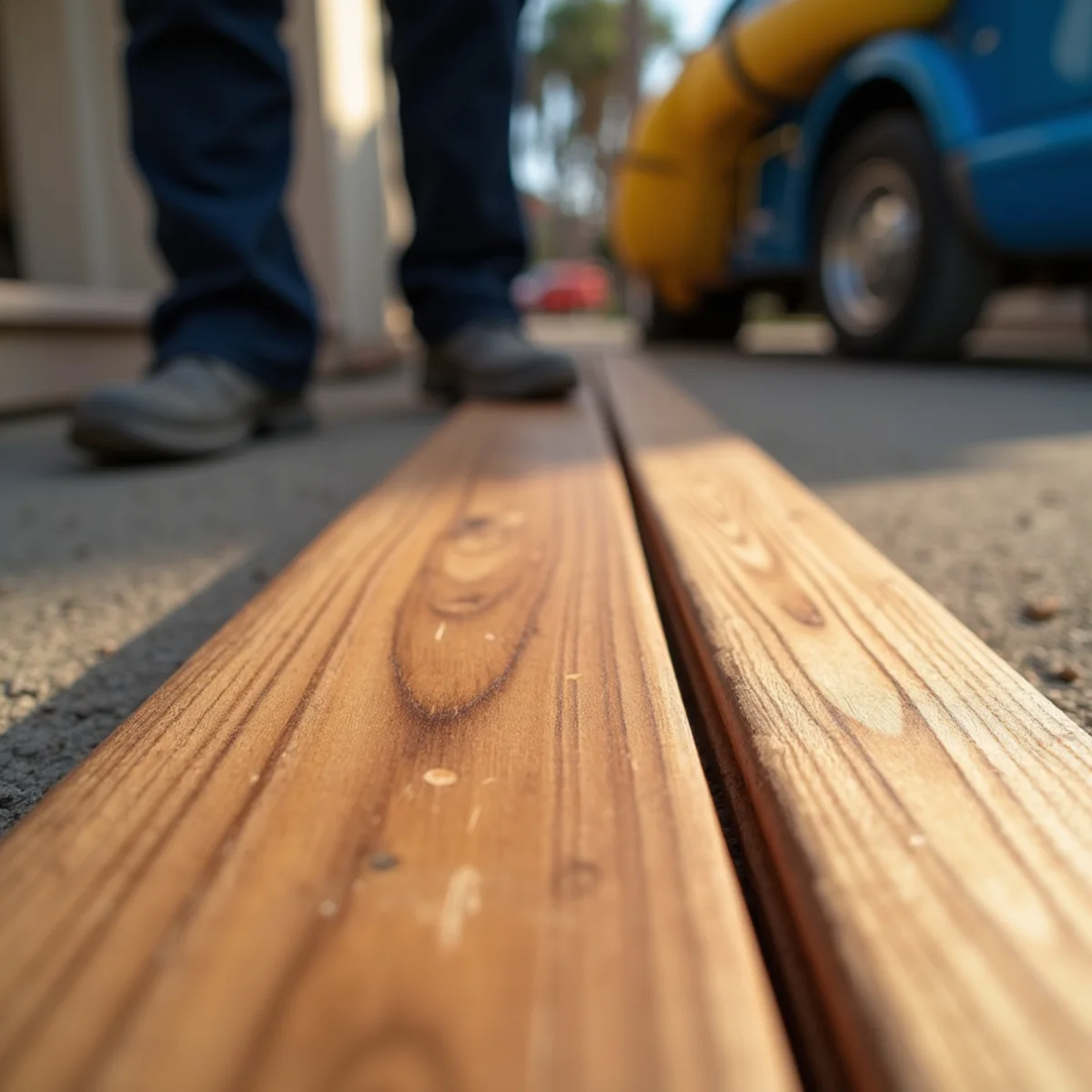
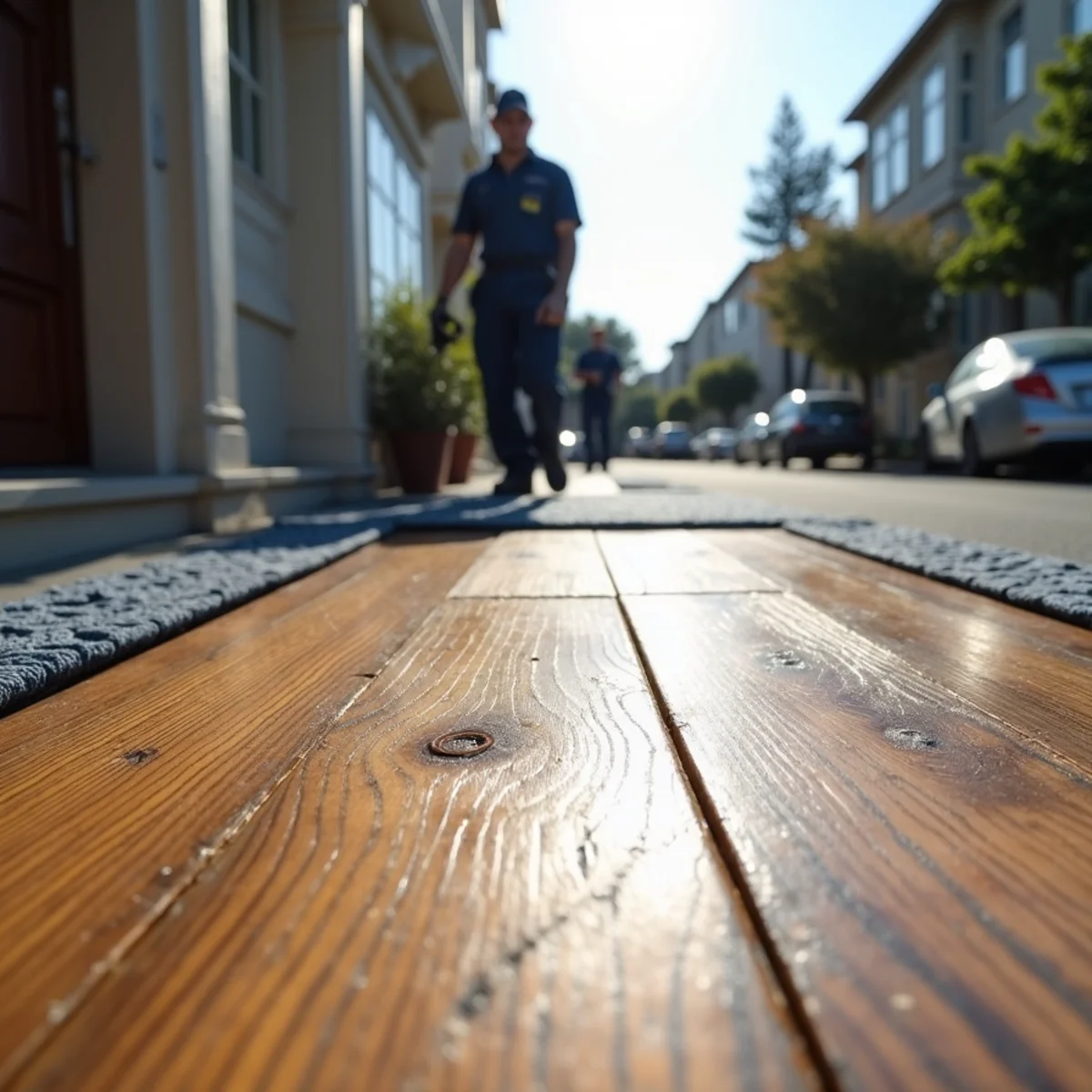
Cupping — edges higher than the centre
The first and most common sign. The board has taken moisture from below and swelled at the edges. Frequently recoverable if addressed quickly.
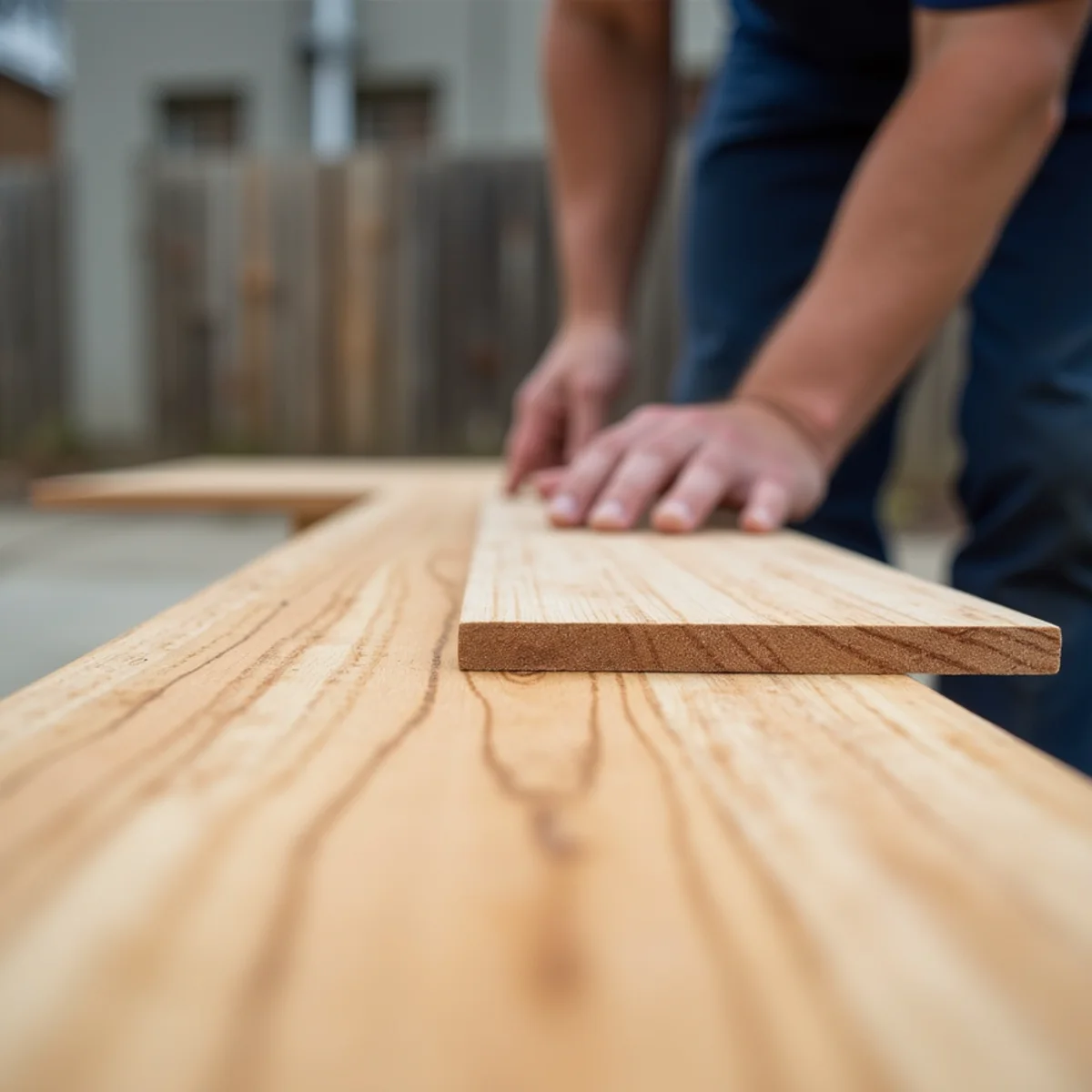
Crowning — centre higher than the edges
Usually means a cupped floor was sanded too early, or dried unevenly from the top down. Much harder to reverse and often terminal.
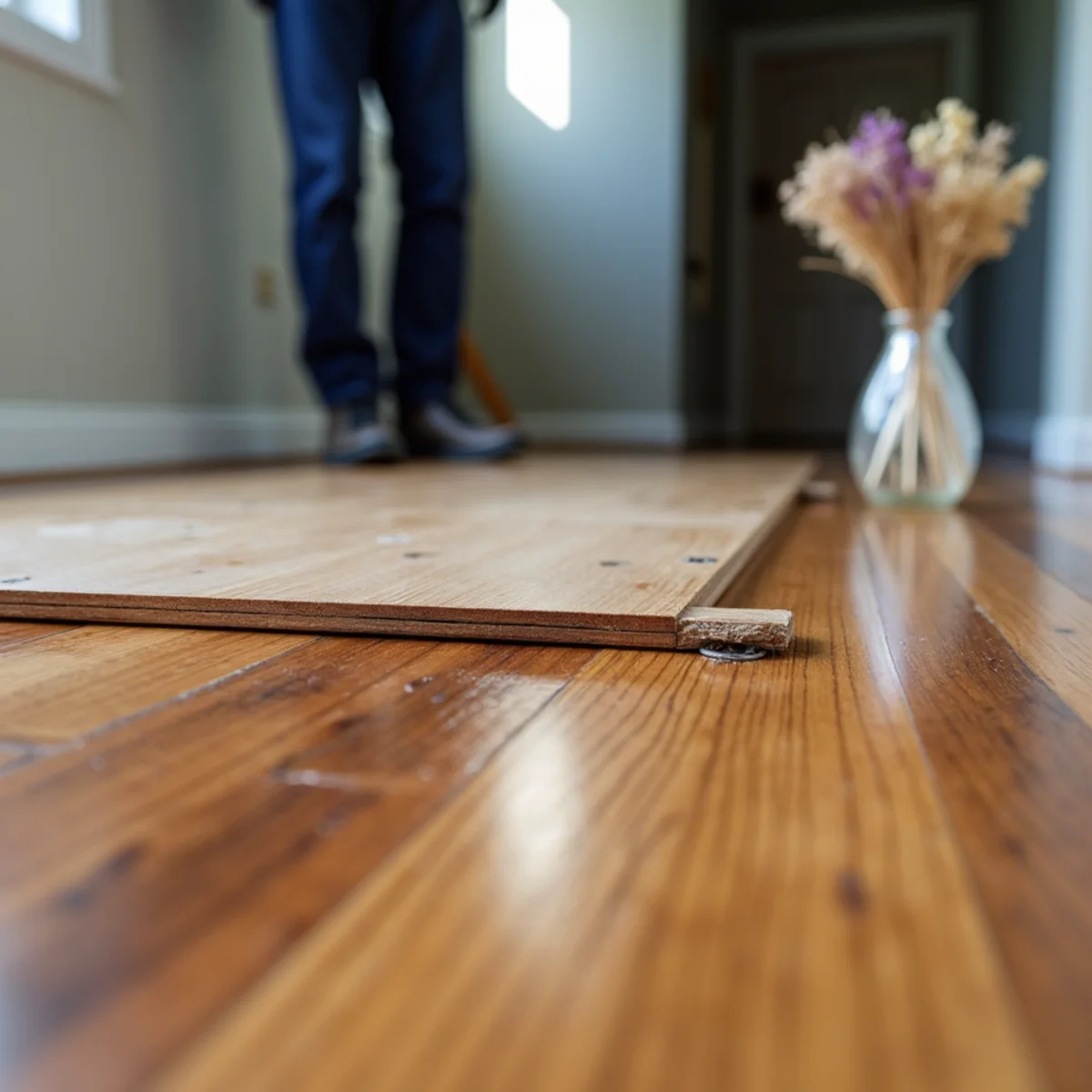
Buckling — boards lifting off the subfloor
Swelling has overcome the fasteners or the adhesive. Affected sections almost always need replacement.
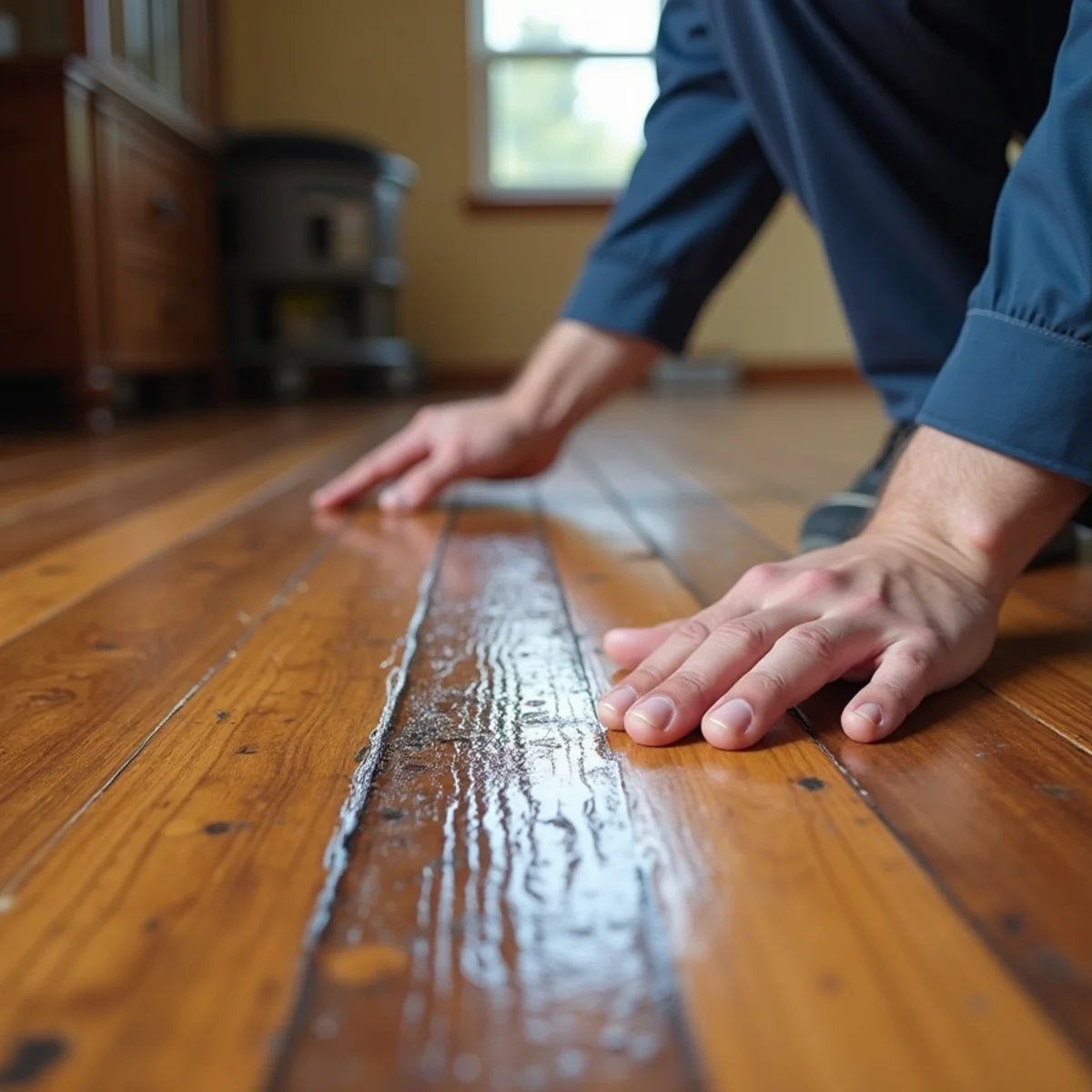
Dark staining along seams
Water sitting in the joints for days, often with tannin bleed or early fungal growth beneath the finish.
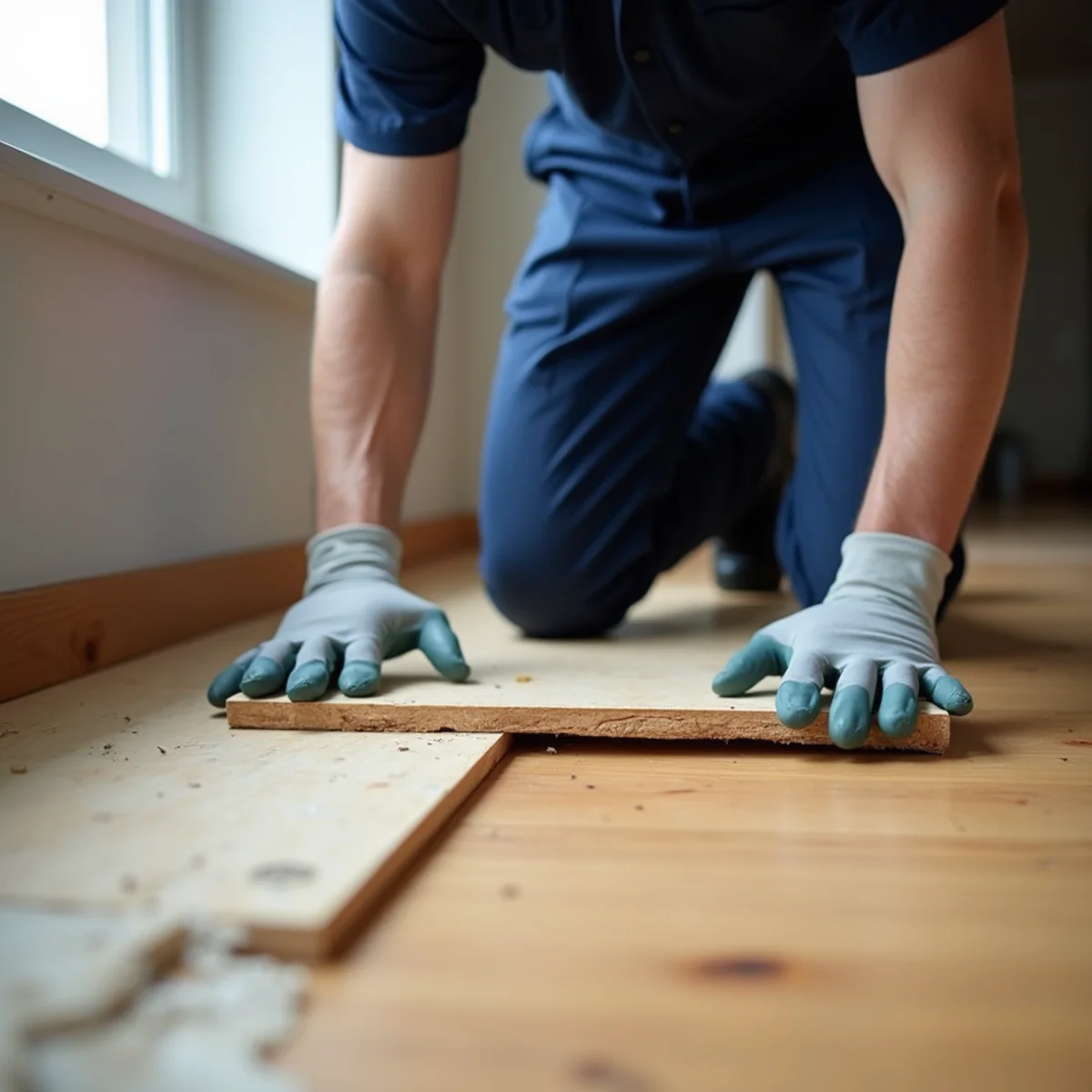
A hollow or spongy feel underfoot
The subfloor beneath is saturated or delaminating. At that point the floor covering is the smaller problem.
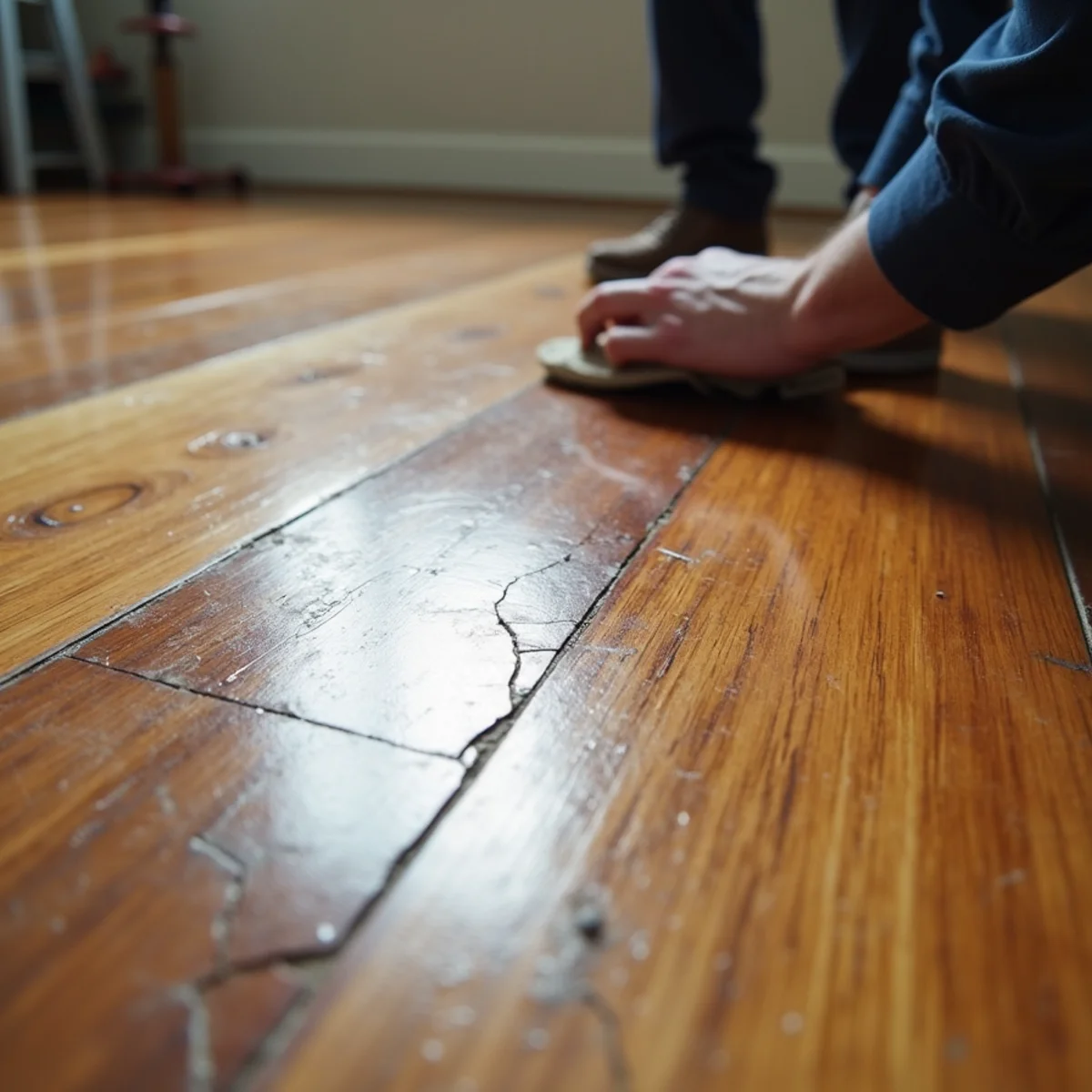
Cracked or hazy finish
Moisture has broken the finish bond. Refinishing is needed after drying — and should not be attempted before.
The honest decision tree
Likely saveable — Solid hardwood, clean water, discovered within 24 hours, on a mat system the same day, subfloor intact.
Possible with specialty drying — Solid hardwood, 24 to 48 hours elapsed, moderate cupping, subfloor intact. Longer schedule and refinishing almost certain.
Unlikely — More than 72 hours elapsed, crowning already present, buckling, or Category 3 water in the assembly.
Replacement — Engineered wood over a slab, laminate of any kind, delaminated subfloor, or sewage contamination beneath the boards.
How mat drying works
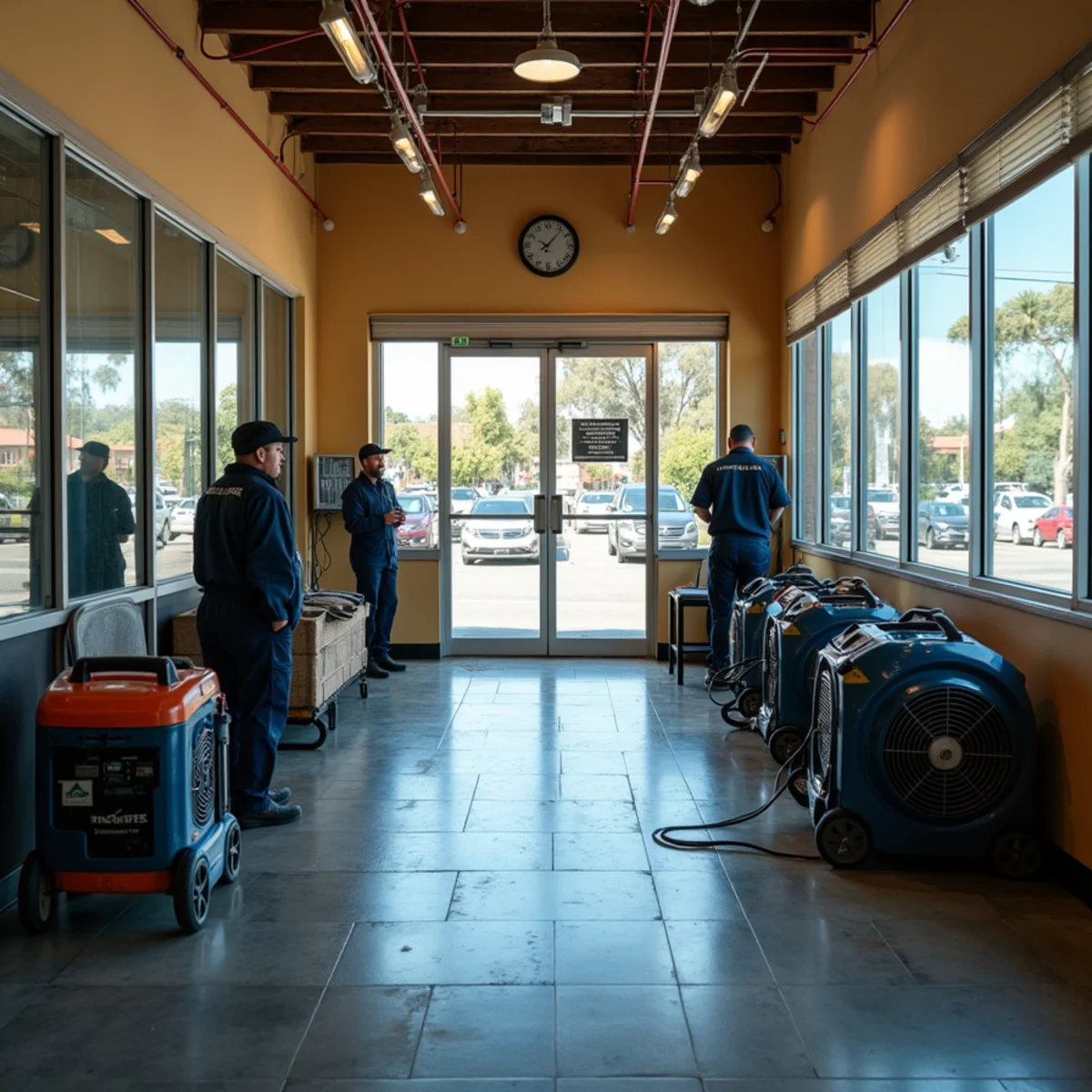
A floor mat system is the reason solid hardwood can be saved at all. Sealed panels are placed over the affected area and connected to a vacuum-style unit that pulls air — and with it water vapour — up through the boards and the joints under negative pressure, exhausting into an LGR dehumidifier.
It works because it dries the wood from the side the water is on, and because it dries the whole thickness rather than only the surface. Surface airflow alone dries the top of a board while the bottom stays wet, which is exactly the differential that causes crowning.
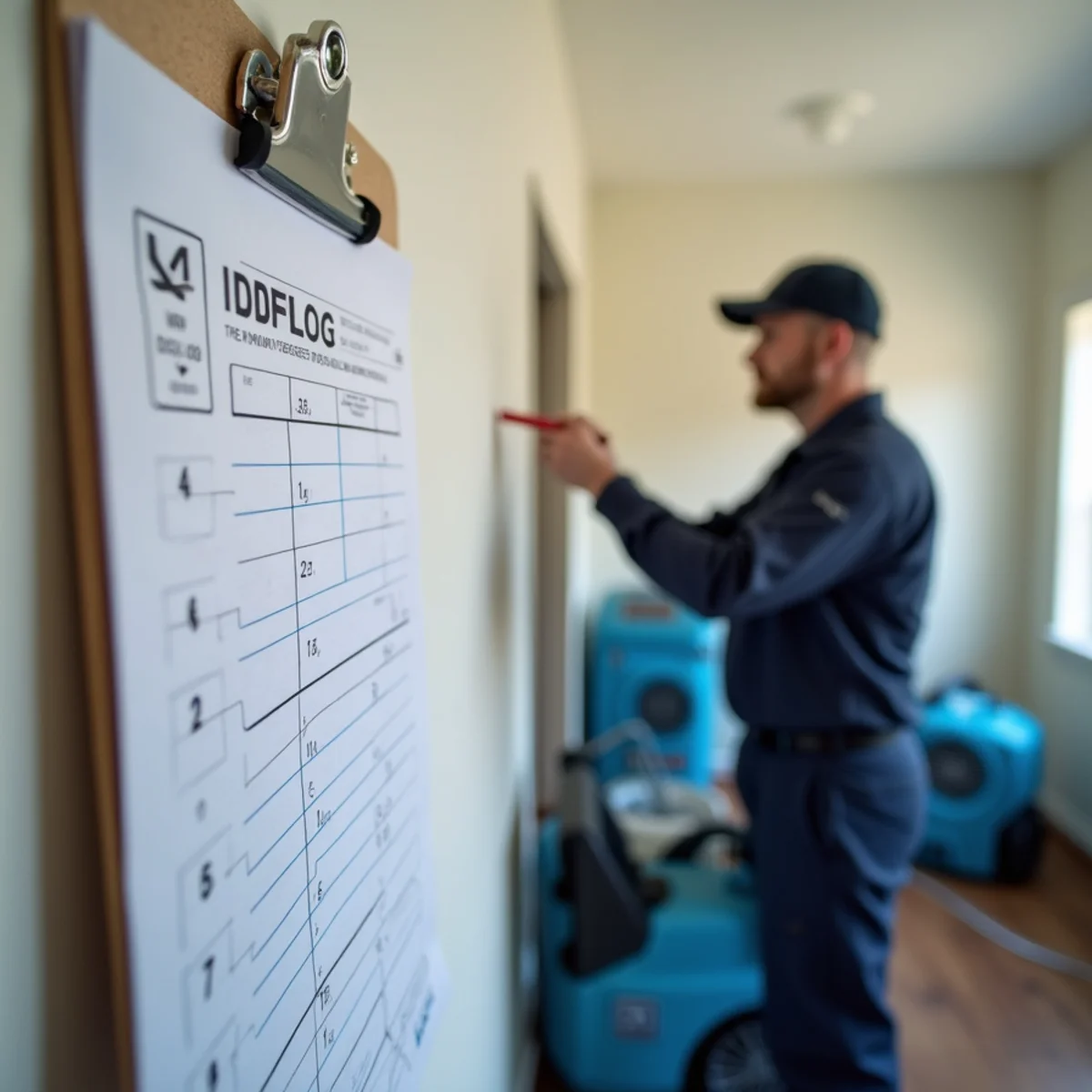
The process is deliberately slow. Drying wood too aggressively causes checking, splits and delamination, so we hold a rate the species can tolerate and log readings at marked points daily. Expect five to ten days on a mat system, sometimes longer for wide-plank or dense species.
Why sanding too early ruins a floor that would have recovered
This is the single most expensive mistake made on wood floors, and it is usually made by someone trying to be helpful.
A cupped floor is under moisture stress. Sand it flat while the boards are still swollen and you remove material from the raised edges. The wood then finishes drying, contracts, and the middle of each board sits proud of the edges you just cut down — a permanently crowned floor with a thinner wear layer and no straightforward remedy.
The correct sequence is patience. Dry to equilibrium, then let the floor sit a further two to four weeks in normal conditions so moisture distributes evenly through the thickness of each board, then assess. A surprising number of cupped floors come back close to flat on their own and need only a light screen and recoat.
If a contractor offers to sand your cupped floor next week, ask what the current moisture readings are and what the wood measured before the loss. If they cannot answer, get another opinion.
Peninsula specifics
Two local factors change the calculation here.
Slab construction. So many Redwood City, San Carlos and mid-century tract homes are slab-on-grade, and wood over a slab has water pinned between the flooring and the concrete when a leak happens. The slab then releases that moisture upward for days. Slab-related hardwood losses need slab readings, not just wood readings, before anything is refinished — and Eichler homes in Palo Alto with radiant-heat slabs are the extreme version of this.
Humidity range. Wood floors here equilibrate around 7 to 9% moisture content, with seasonal movement between damp winters and dry summer afternoons. A floor dried aggressively to a low target in February will shrink further and gap when the house warms up. So the drying target is your building, in this season — not a number from a manual. Homes closer to the coast sit at the damp end of that range year-round and behave differently from an equivalent floor in Woodside.
What to do in the first hour
Get standing water off the surface immediately — Towels, a squeegee, anything. Water sitting in the joints is what drives moisture into the subfloor.
Do not put down plastic or a rug — Trapping moisture against the boards accelerates cupping and can stain.
Do not run a heater on it — Drying the top surface fast while the underside stays wet is the mechanism that produces crowning.
Do not remove boards yourself — On a floor that might be saveable, removed boards cannot be reinstalled to match, and the assessment needs the floor intact.
Photograph it before anything — Insurers question hardwood replacement more than almost any other line item, and a documented salvage attempt is what supports it.
Call the same hour — Not the next morning. This is the material where response time genuinely decides the outcome.
24/7 Emergency Response
Dealing with this in Redwood City right now?
We answer 24/7 and can usually be on site within the hour. Extraction, verified drying and the rebuild, documented for your insurer.
- IICRC-certified technicians
- Licensed, bonded & insured
- Direct insurance billing
- 24/7 live answer — no phone trees
550 Allerton St, Redwood City, CA 94063 · Emergency dispatch answered 24/7, including holidays