
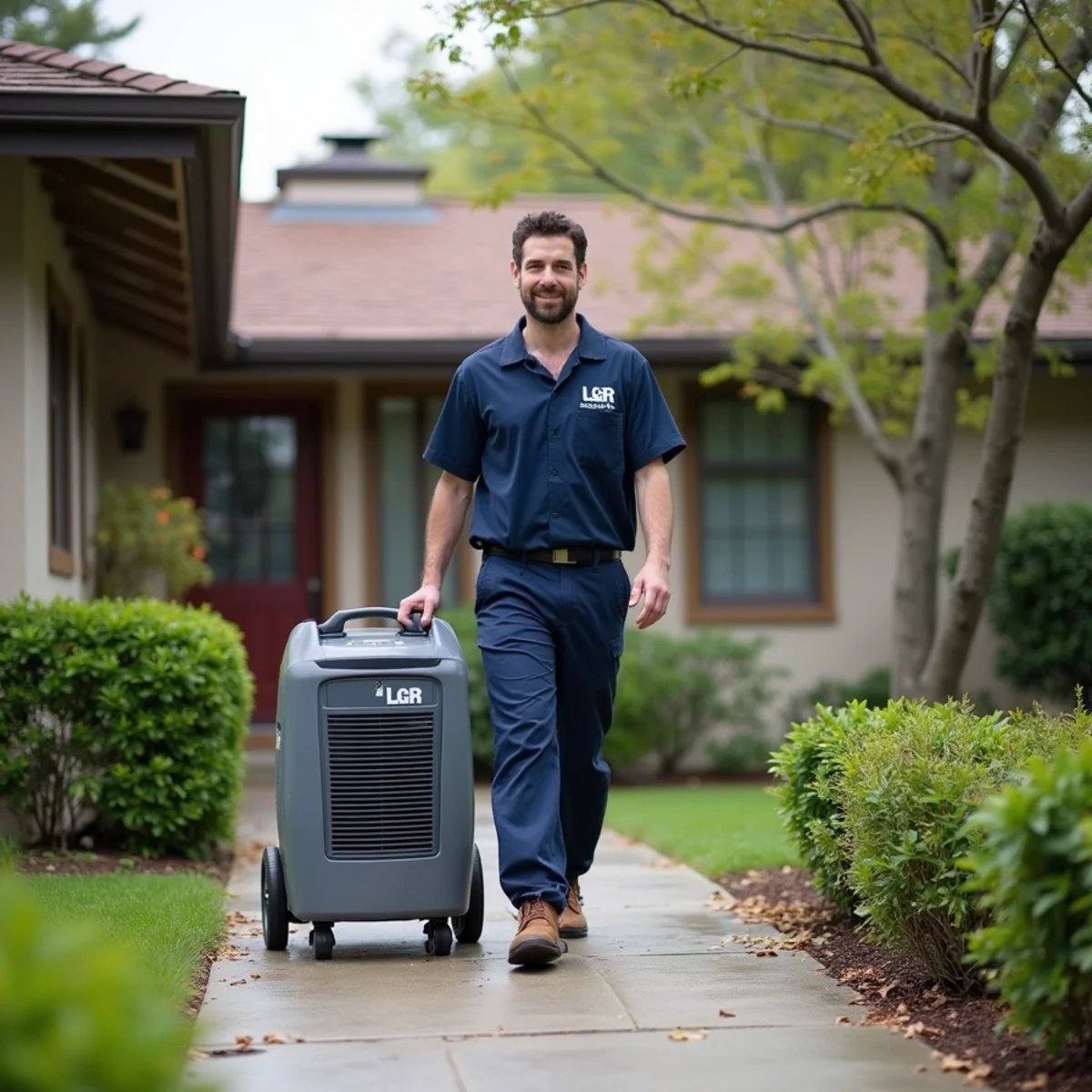
15–22 minutes away · 24/7 emergency response
Water Damage Restoration in Palo Alto, CA
Palo Alto is 5.9 miles southeast, a straight run down El Camino or the 101, and we are typically there inside twenty-five minutes. We work across the whole city: the Professorville and Old Palo Alto older stock, the Eichler tracts in Greenmeadow, Fairmeadow and Green Gables, the dense apartment and condo blocks near California Avenue and downtown, and the commercial corridor along University Avenue.
- 5.9 miles southeast from our Allerton Street base
- Typical arrival: 15–22 minutes
- IICRC-certified, licensed & insured
- Insurance billed directly
Answered by a person, 24/7 — crews on site within 60 minutes in Redwood City.
Response time
15–22 minutes
Distance from base
5.9 miles southeast
Area type
City
ZIP codes served
94301, 94303, 94306
One local specialty matters more here than almost anywhere else on the Peninsula: radiant-heat slabs in Eichler homes. If you own one, the failure mode is specific and the wrong response is expensive.
Eichler radiant slabs, creek risk and dense older stock
Palo Alto has one of the largest concentrations of Eichler homes anywhere, and most were built with hydronic radiant heating — copper or steel tubing embedded in the concrete slab. Sixty-plus years on, those loops corrode and fail from the inside, and when they do the leak is under the slab, feeding water into the concrete and up into flooring with no visible pipe to shut off. Homeowners often discover it as a warm patch on the floor, an unexplained pressure drop in the heating system, or flooring that starts lifting for no apparent reason.
These jobs need slab moisture mapping and patient verified drying, because concrete gives up water slowly and Eichlers typically have a large continuous slab with minimal interior structure to break it up. Putting flooring back before the slab reads dry is the most common and most expensive mistake made on these homes.
Away from the Eichlers, the exposure is San Francisquito Creek along the northern boundary — the 1998 overtopping put water into homes on both sides of the county line — plus the ordinary consequences of dense, older housing stock: aging supply lines, shared walls in condos and apartments, and roofing that struggles with wind-driven winter rain.
Eichler radiant-heat slab failures — hidden under concrete, slow to dry, easy to mishandle
San Francisquito Creek flood exposure along the northern city boundary
Dense downtown and California Avenue condo and apartment stock: multi-unit losses
Mid-century flat and low-slope roofs vulnerable to ponding and wind-driven rain
Palo Alto jobs and how we approach them
A representative Eichler job in Greenmeadow: the owner notices a warm strip across the family room floor and a heating system that will not hold pressure. Moisture mapping shows an area of slab several times larger than the warm strip. The correct plan is to isolate the failed loop, dry the slab with dedicated equipment and verify with readings over days rather than hours, and only then make a decision about the flooring. The wrong plan — and we get called to fix the results of it — is to open the slab in the wrong place, or to relay flooring over a slab that still reads wet.
In the downtown and California Avenue condo stock, the recurring call is an upper-floor supply failure that affects three units and the common corridor. Those need per-unit documentation from hour one so the HOA, the unit owners and two or three carriers can settle allocation on evidence rather than argument.
Landmarks & streets we work around
- Stanford University and the Stanford Shopping Center
- University Avenue downtown and the Palo Alto Caltrain station
- Eichler tracts in Greenmeadow, Fairmeadow and Green Gables
- San Francisquito Creek and the Menlo Park boundary
- Baylands Nature Preserve
What we are called for
Three causes behind most Palo Alto call-outs
Water damage is not randomly distributed. What fails in a given area is decided by when it was built, what it was built on and what the weather does to it — and in Palo Alto that produces a recognisable short list.
- 1
Eichler flat roofs and radiant slabs
The mid-century Eichler stock combines a low-slope roof that drains to a small number of points with hot water heating tubes cast into the slab. A roof drain blocks and ponds; a slab tube corrodes and leaks under the floor. Both are Palo Alto specialities and both need very different plans.
- 2
San Francisquito Creek and its storm drains
The creek has flooded properties on both sides of it within living memory, and the drain network that feeds it backs up before the creek itself does. Water arriving that way is contaminated on entry, whatever it looks like.
- 3
Pre-war homes with raised foundations
Professorville and the older streets around it sit on crawlspaces rather than slabs. Supply failures there drain out of sight, wet the subfloor and joists from underneath, and are commonly found by smell or by a floor that has started to give before anything is visible.
The local calendar
How the year runs in Palo Alto
Winter is roof-and-creek season in a way that is specific to this city. The flat and low-slope roofs on the mid-century stock have no margin — a blocked scupper or an interior drain packed with leaves turns the roof into a shallow reservoir, and the water leaves through a seam rather than over an edge. Meanwhile the creek corridor and the storm system that discharges into it carry the flood exposure, and any property near either takes outside water rather than clean supply water.
The dry months move the problem underground. Radiant slab heating is off, so a corroded tube gives no warm-floor signal until the system is fired up again, and a supply pinhole under the slab announces itself only through the water bill or a meter that keeps turning. In the crawlspace houses, a summer leak wets structure with no visible surface damage at all — which is exactly why a moisture survey finds things in Palo Alto that a walkthrough does not.
24/7 Emergency Response
Water damage in Palo Alto? Call +1 (201) 277-9344.
We answer 24/7 and typically reach Palo Alto in 15–22 minutes. You get shut-off and safety instructions on the call while a crew is dispatched.
- IICRC-certified technicians
- Licensed, bonded & insured
- Direct insurance billing
- 24/7 live answer — no phone trees
550 Allerton St, Redwood City, CA 94063 · Emergency dispatch answered 24/7, including holidays
Services in Palo Alto
What we are called for most in Palo Alto
Every service below is available here, with the same 24/7 dispatch and the same documented drying standard. These are the ones this area actually needs most.
Why us in Palo Alto
Why Palo Alto residents choose us
Restoration gets chosen in a hurry, usually from whoever answers first. These are the things that actually differ from one company to the next in Palo Alto.
Eichler radiant slabs handled properly
Embedded copper or steel loops fail under the concrete with no accessible pipe. We map the slab to find the real extent — usually far larger than the warm patch — and dry it with verification over days rather than relaying flooring over a wet slab.
We plan for a slab that gives up moisture slowly
Eichler slabs are large and continuous with little interior structure to break them up. Expect 7 to 14 days rather than the three-to-five a drywall loss needs, and readings rather than a calendar deciding when flooring goes back.
Condo and apartment losses documented per unit
Downtown and California Avenue buildings mean one failure across three homes and a corridor. Records are split from hour one so the HOA, the owners and two or three carriers can allocate on evidence.
- IICRC-certified technicians
- Licensed, bonded & insured
- Direct insurance billing
- 24/7 live answer — no phone trees
Honest pricing
What it costs in Palo Alto
The same published rates apply across every area we serve — what changes with your address is the drying schedule, not the rate. Mitigation is priced per square foot by water category, with reconstruction quoted separately and an itemised estimate after inspection.
Category 1 — clean water
$3 – $4 / sq ft
Low risk if dried quickly
Category 2 — gray water
$4 – $7 / sq ft
Moderate — bacteria present, can cause illness
Category 3 — black water
$7 – $7.50 / sq ft
High — pathogens; PPE and containment required
Most complete jobs land between $1,384 and $6,387, averaging $3,867. We bill carriers directly for covered work — what California policies actually cover explains where that line falls.
Water damage in Palo Alto? A person answers 24/7 and gives you shut-off instructions while the crew is on the way.
+1 (201) 277-9344Nearby areas we serve
Crews working in Palo Alto also cover these neighbouring communities, usually on the same day.
Reviewed by Water Damage Redwood City — checked by our IICRC-certified project managers.
Last reviewed
Our base
How fast we reach Palo Alto
We dispatch from 550 Allerton St in Redwood City, which is what keeps our response time to Palo Alto short. Call any hour — a person answers and a crew is assigned before you hang up.
Water Damage Redwood City
550 Allerton St
Redwood City, CA 94063
Open 24 hours — 7 days a week
FAQ
Water damage questions from Palo Alto
Do you have experience with Eichler radiant-heat slab leaks?
Yes, and they need a specific approach. The tubing is embedded in the slab, so the leak is under concrete with no accessible pipe. We map slab moisture to find the actual extent — usually much larger than the warm spot — dry with dedicated slab equipment, and verify with readings over days. Flooring does not go back until the slab holds at dry standard, because relaying over a wet slab means doing the job twice.
How long does a slab dry after a radiant heat leak?
Longer than framing — commonly 7 to 14 days depending on the size of the affected area, slab thickness and how long the leak ran. Concrete releases moisture slowly and Eichler slabs tend to be large and continuous. We take daily readings and will not pull equipment on a schedule.
Do you work with Palo Alto condo HOAs?
Yes. Multi-unit losses in the downtown and California Avenue buildings are common, and we keep per-unit photo, moisture and equipment records from hour one so allocation between unit owners, the association and the carriers involved is based on documentation. One project manager coordinates access across units.
Our Palo Alto Eichler has a radiant heat leak. Do you have to break the slab?
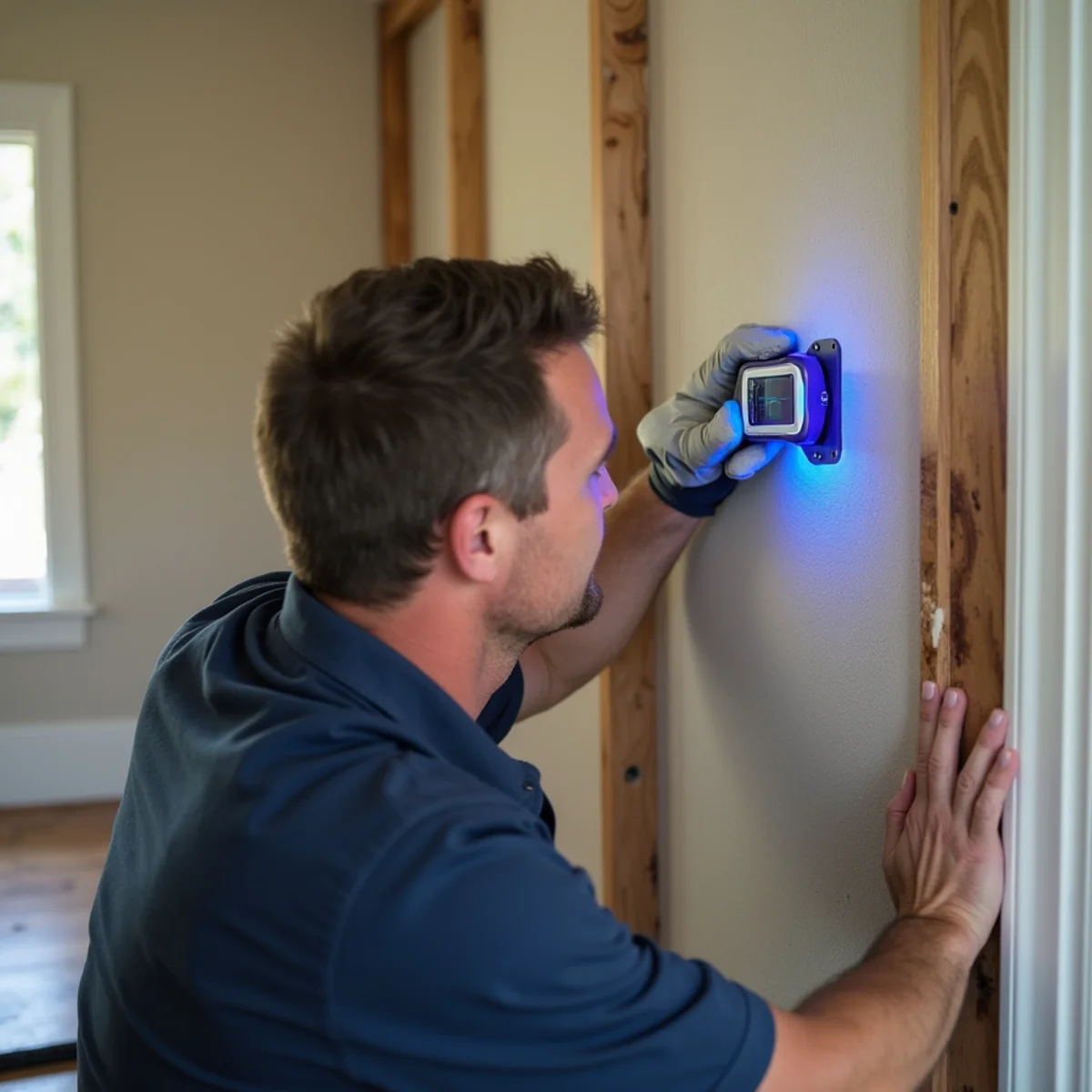
Not always, and not before we have imaged and mapped it. Thermal imaging finds the loop’s heat signature and moisture mapping shows how far the water has travelled through the concrete, which often allows the failed loop to be isolated and abandoned with a re-route rather than opening the floor. Where the slab does have to be opened, that evidence means one section rather than three rooms — and the drying schedule afterwards is measured, not guessed.
24/7 Emergency Response
Water damage restoration in Palo Alto, CA
Call any hour and we will dispatch immediately — typical arrival in Palo Alto is 15–22 minutes. Extraction, verified drying, remediation and rebuild, with documentation your insurer will accept.
- IICRC-certified technicians
- Licensed, bonded & insured
- Direct insurance billing
- 24/7 live answer — no phone trees
Water Damage Redwood City
550 Allerton St, Redwood City, CA 94063
Open 24 hours — 7 days a week
Get Directions