Cost & insurance
Does Homeowners Insurance Cover Water Damage in California?
The answer is "usually, if it was sudden". Here is where that line actually falls, and how documentation decides the cases near it.
The rule that decides most claims
California homeowners policies cover water damage that is sudden and accidental. They exclude water damage that is gradual, expected, or the result of deferred maintenance. Almost every coverage dispute is an argument about which side of that line a particular loss falls on.
A supply line that bursts on Tuesday is sudden. A supply line that has been weeping into a cabinet for eight months is gradual — even though the homeowner did not know about it, and even though it is the same pipe.
This is why documentation matters more than most people realise, and why the timeline of what you knew and when you acted is the thing an adjuster is really assessing.
Generally covered
Burst or ruptured supply lines — Including pinhole failures and slab leaks, when the resulting damage is sudden.
Water heater failure — Tank rupture and sudden leaks. Note that the water heater itself may not be covered — the resulting damage usually is.
Appliance failures — Washing machine hoses, dishwasher leaks, refrigerator ice-maker lines, when the failure is sudden.
Fire sprinkler discharge — Accidental activation, and the water damage that follows.
Storm-created openings — Wind damage to a roof or window and the rain that enters through the resulting opening.
Firefighting water — Suppression water from a covered fire loss.
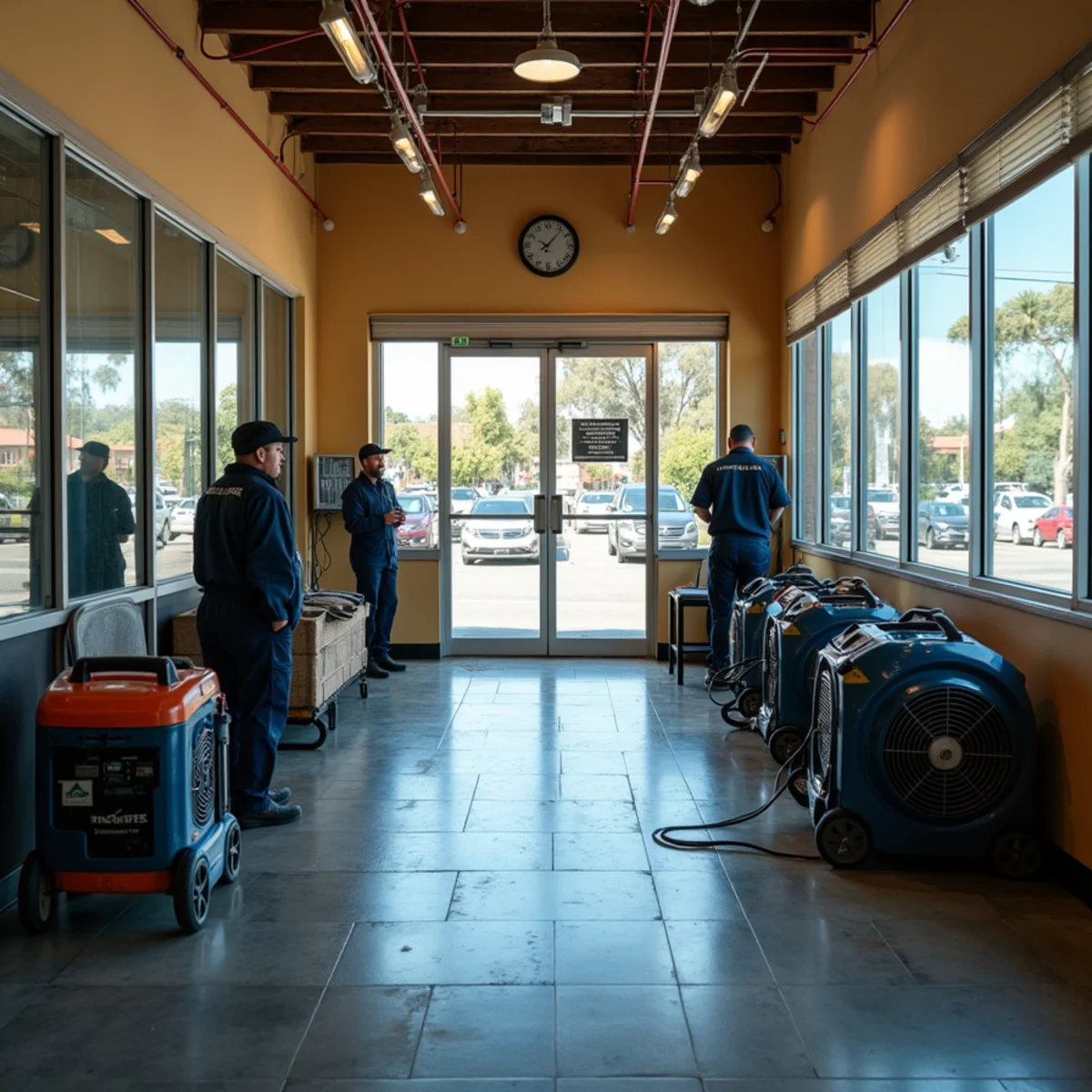
Emergency mitigation — Extraction, drying, board-up and tarping are loss-limiting measures policies generally expect and cover.
Generally excluded
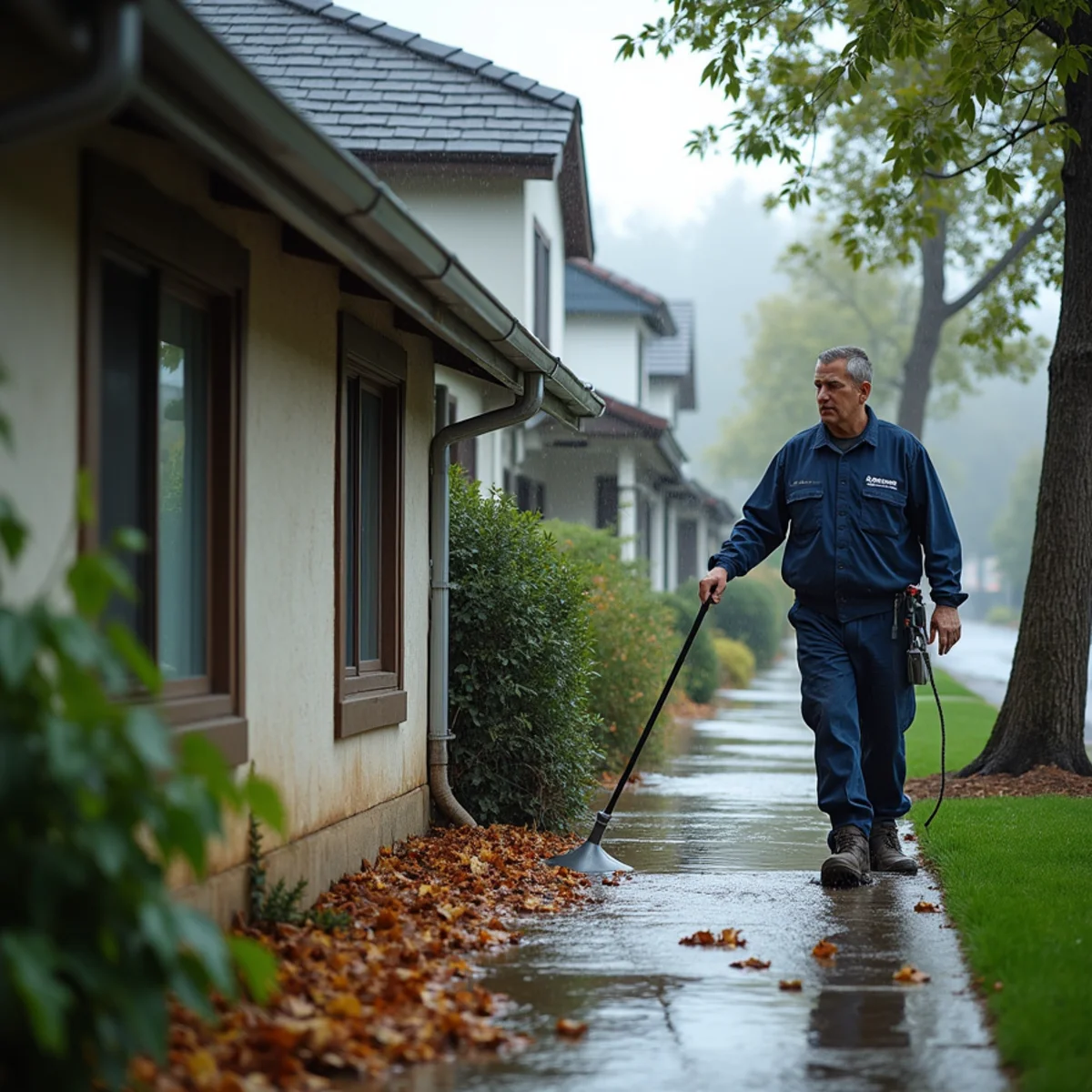
Flood and rising surface water — The big one. Rising water from outside the building requires separate flood insurance through the NFIP or a private carrier — this matters a great deal in Foster City, Redwood Shores, the creek corridors and low-lying bayside areas.
Gradual leaks and long-term seepage — A leak that ran for weeks or months, particularly one with visible signs that were not acted on.
Deferred maintenance — A roof at end of life, a water heater long past service life, plumbing known to be failing.
Sewer and drain backup — Commonly excluded unless you carry a water backup endorsement, which is inexpensive and worth adding.
Groundwater and hydrostatic pressure — Water entering below grade through foundation walls, which is a drainage problem rather than a peril.
Mold, in many cases — Often covered up to a sublimit when it results from a promptly reported covered loss; frequently excluded when it results from a gradual leak.
The four claims that get denied most often
From what we see on the ground, denials cluster into a small number of recognisable patterns.
The delayed report. A homeowner discovers water, cleans up what they can, waits a few weeks to see whether it dries, then files when mold appears. The carrier now sees an unmitigated loss with growth, and the argument becomes about whether the damage was aggravated by delay.
The known leak. There was a stain on the ceiling for a year. Photos on a phone prove when it appeared. That converts a sudden loss into a maintenance one.
The flood claim on the wrong policy. Storm water came under the garage door, which is rising surface water, and the homeowners policy does not respond. This is why we document entry points precisely — a storm event often includes both a wind-created opening (covered) and surface water (not), and only careful documentation separates them.
The undocumented scope. The work was done, the invoice arrived, but nobody recorded moisture readings, equipment logs or before photographs. There is no evidence the drying was necessary or performed to standard, so the carrier disputes the amount. This is entirely avoidable and it is the reason we log everything.
What good documentation looks like
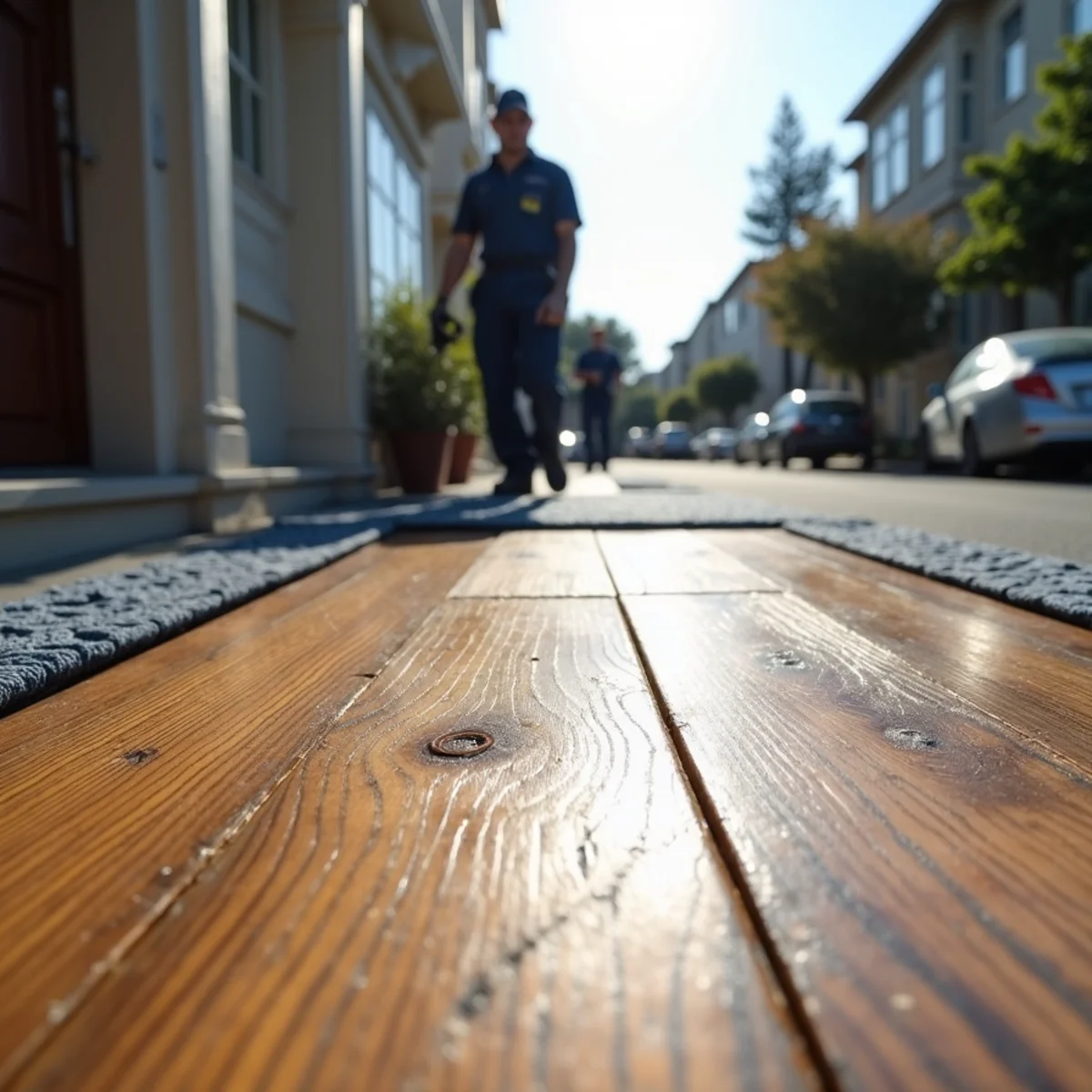
Photographs before anything moves — Wide shots of each room, close-ups of the source, water depth against a fixed reference, and affected contents.
The time of discovery, written down — A specific time beats a vague day, and it establishes your response timeline.
Daily moisture readings at marked locations — The same points measured each day so a trend is visible. This is the core of any defensible mitigation invoice.
Equipment logs — What was placed, where, and for how many days.
An itemised estimate separating mitigation from reconstruction — So each scope can be reviewed on its own terms.
Receipts for emergency expenses — Hotels, meals, replacement clothing — most policies include additional living expense coverage when a home is uninhabitable.
Nothing discarded without a photo — Set removed materials and ruined contents aside where practical, and photograph everything before disposal.
Working with the adjuster
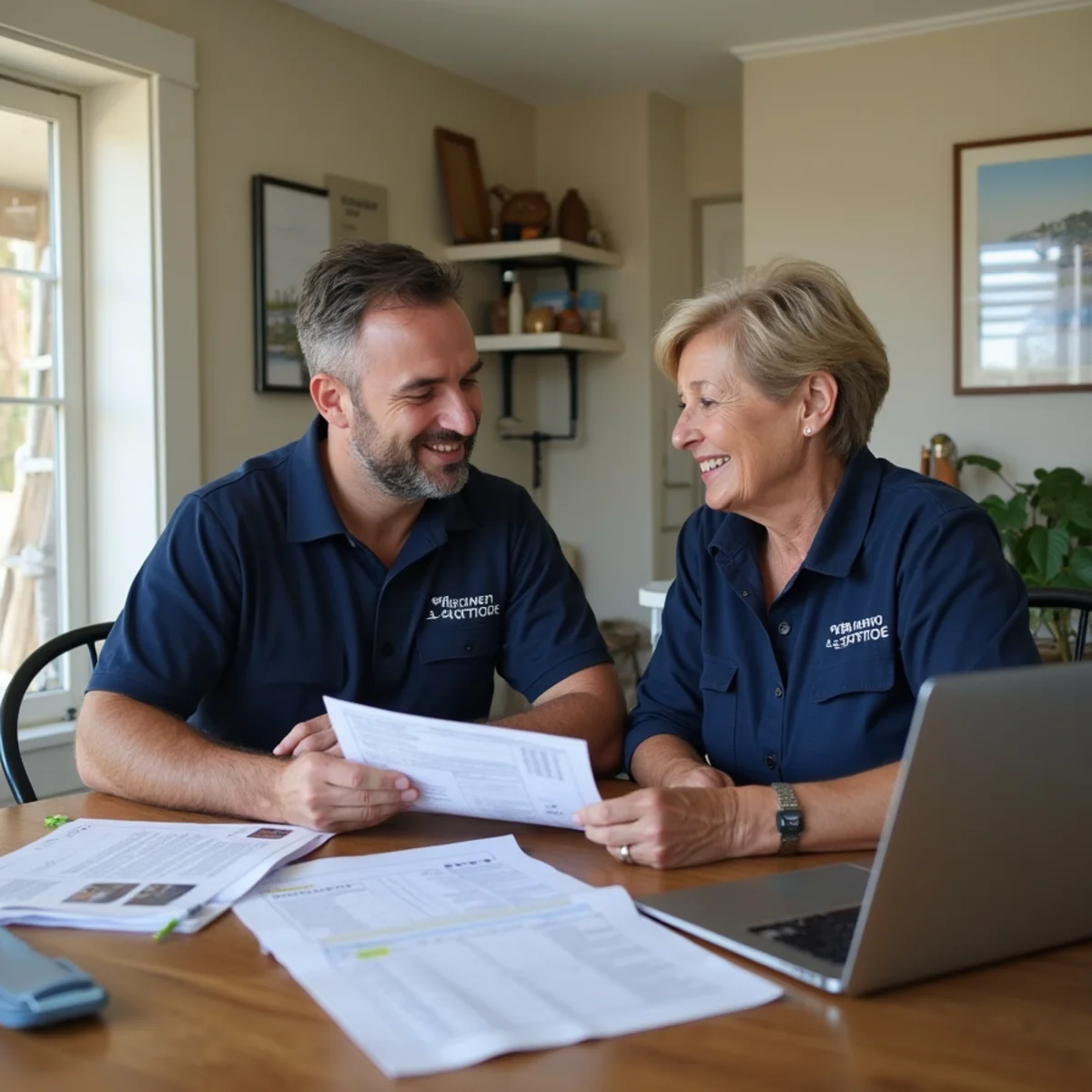
The adjuster is assessing cause, scope and cost. Being organised on all three shortens the process considerably.
Report the loss promptly, and say that you have engaged a restoration company to begin emergency mitigation. You do not need to wait for an inspection before stopping the damage; policies require reasonable steps to prevent further loss.
Ask your carrier two specific questions: whether you have a water backup endorsement, and whether you have separate flood coverage. Many homeowners discover the answer at the worst possible moment.
We bill carriers directly, communicate with adjusters as part of the job, and provide documentation in the formats they expect. If the scope becomes contested, an itemised record with daily readings is what moves the conversation from opinion to evidence.
Two endorsements worth adding before you need them
Water backup coverage is typically a modest annual addition and covers sewer and drain backup — which is otherwise excluded and is one of the more expensive losses to remediate, because Category 3 work requires removal of porous materials rather than drying. Given how many older laterals in this county have root intrusion, it is a sensible addition.
Flood insurance is the other. If you are in Foster City, Redwood Shores, near a creek corridor, or in a low-lying bayside area, the exposure is real and it is not covered by your homeowners policy. Note that NFIP policies typically have a 30-day waiting period, so buying it when a storm is forecast does not work.
24/7 Emergency Response
Dealing with this in Redwood City right now?
We answer 24/7 and can usually be on site within the hour. Extraction, verified drying and the rebuild, documented for your insurer.
- IICRC-certified technicians
- Licensed, bonded & insured
- Direct insurance billing
- 24/7 live answer — no phone trees
550 Allerton St, Redwood City, CA 94063 · Emergency dispatch answered 24/7, including holidays