Prevention
Water Damage Prevention Checklist for Redwood City Homeowners
Most of the losses we respond to were preventable for under $200 and an afternoon. Here is the list, in order of return on effort.

The five things worth doing this weekend
If you do nothing else on this page, do these. They address the failures we are called out for most often in Redwood City, and together they cost well under a couple of hundred dollars.
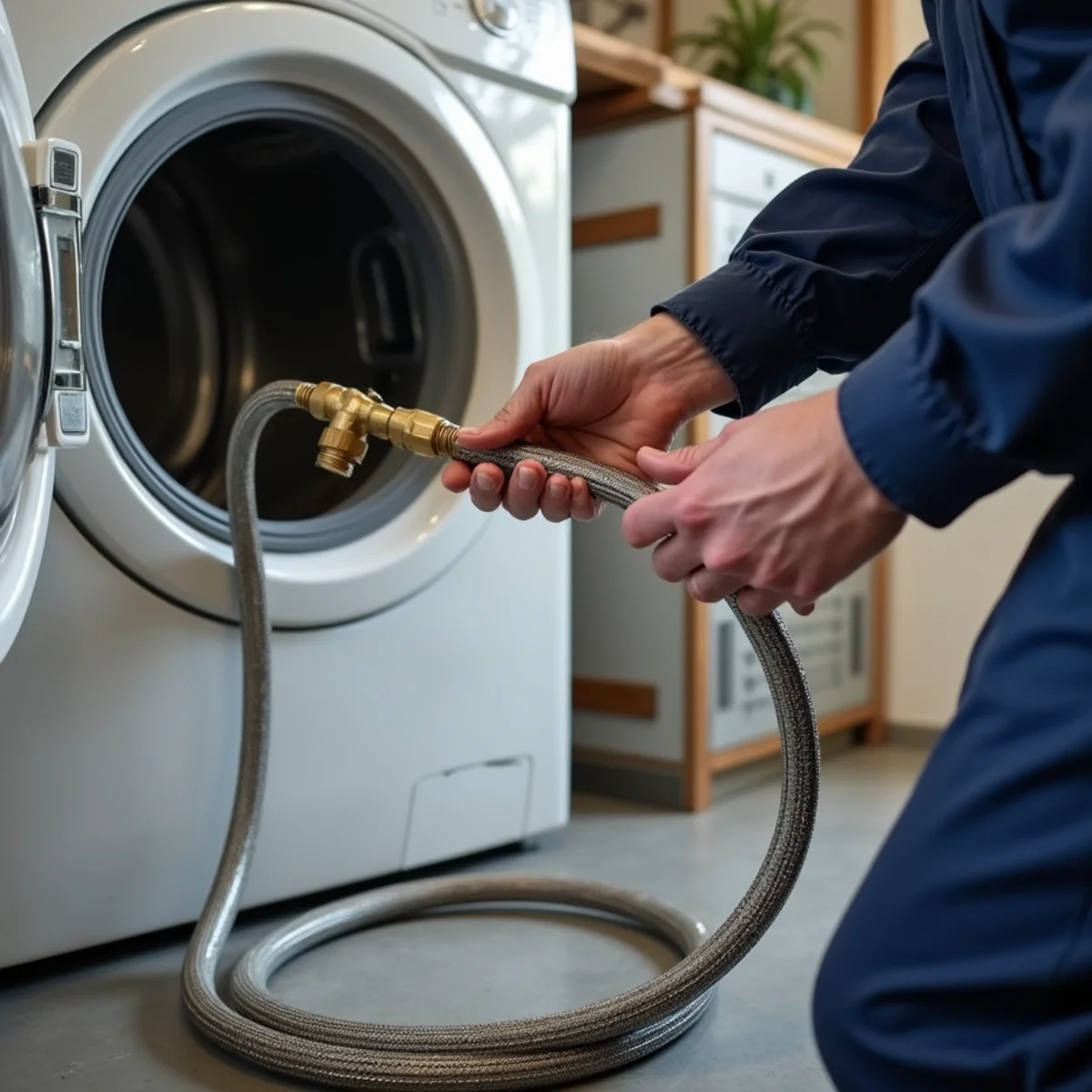
1. Replace rubber washing machine hoses with braided stainless
Rubber hardens and splits, almost always mid-cycle while nobody is home. Braided stainless lines cost very little and are the single highest-value swap in any house. Replace them every five years regardless of how they look.
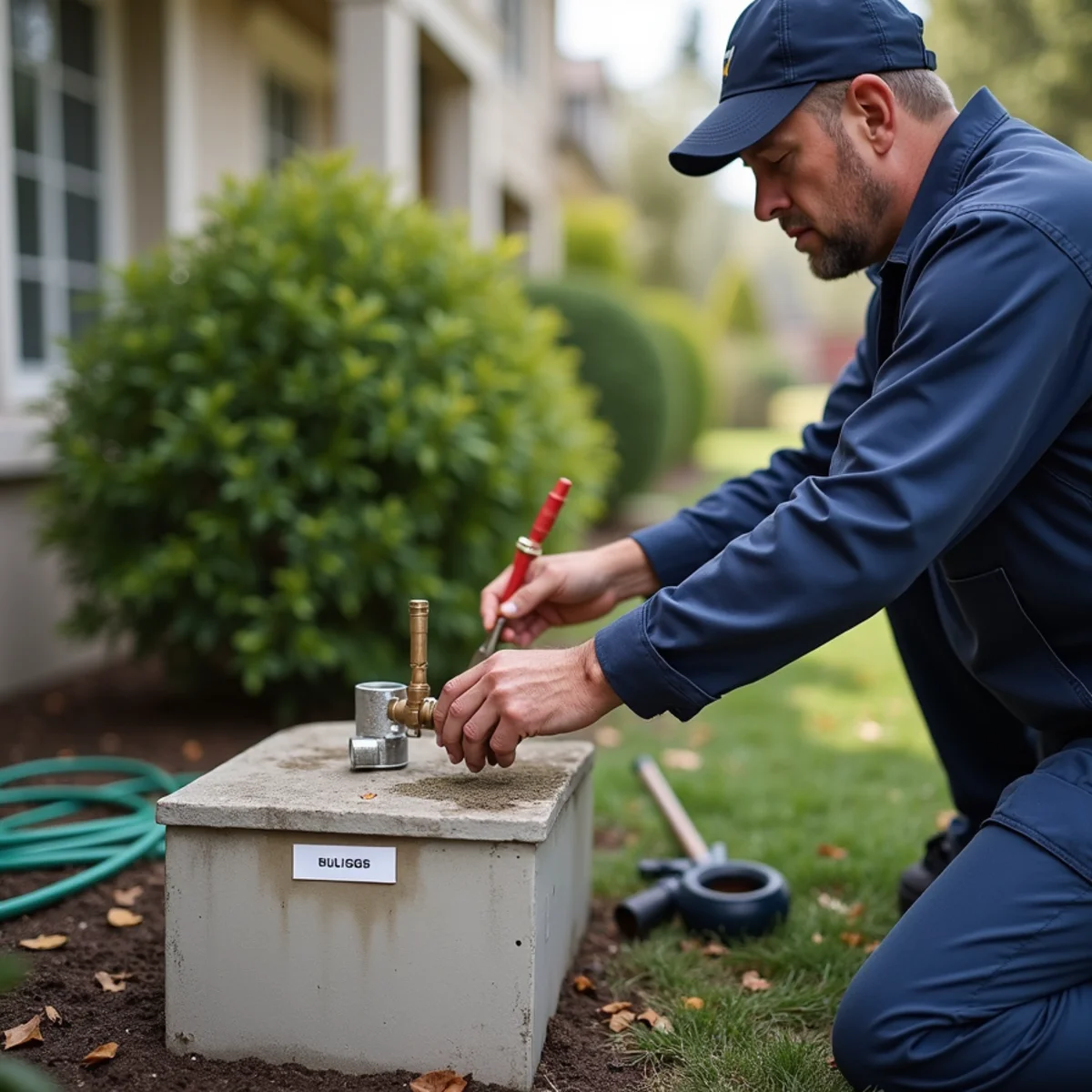
2. Find, label and test your main shut-off valve
Usually near the street at the front of the property, in a garage, or in a utility closet. Turn it to confirm it actually works — seized valves are common and turn a ten-minute loss into an hour-long one. Show everyone in the household where it is.
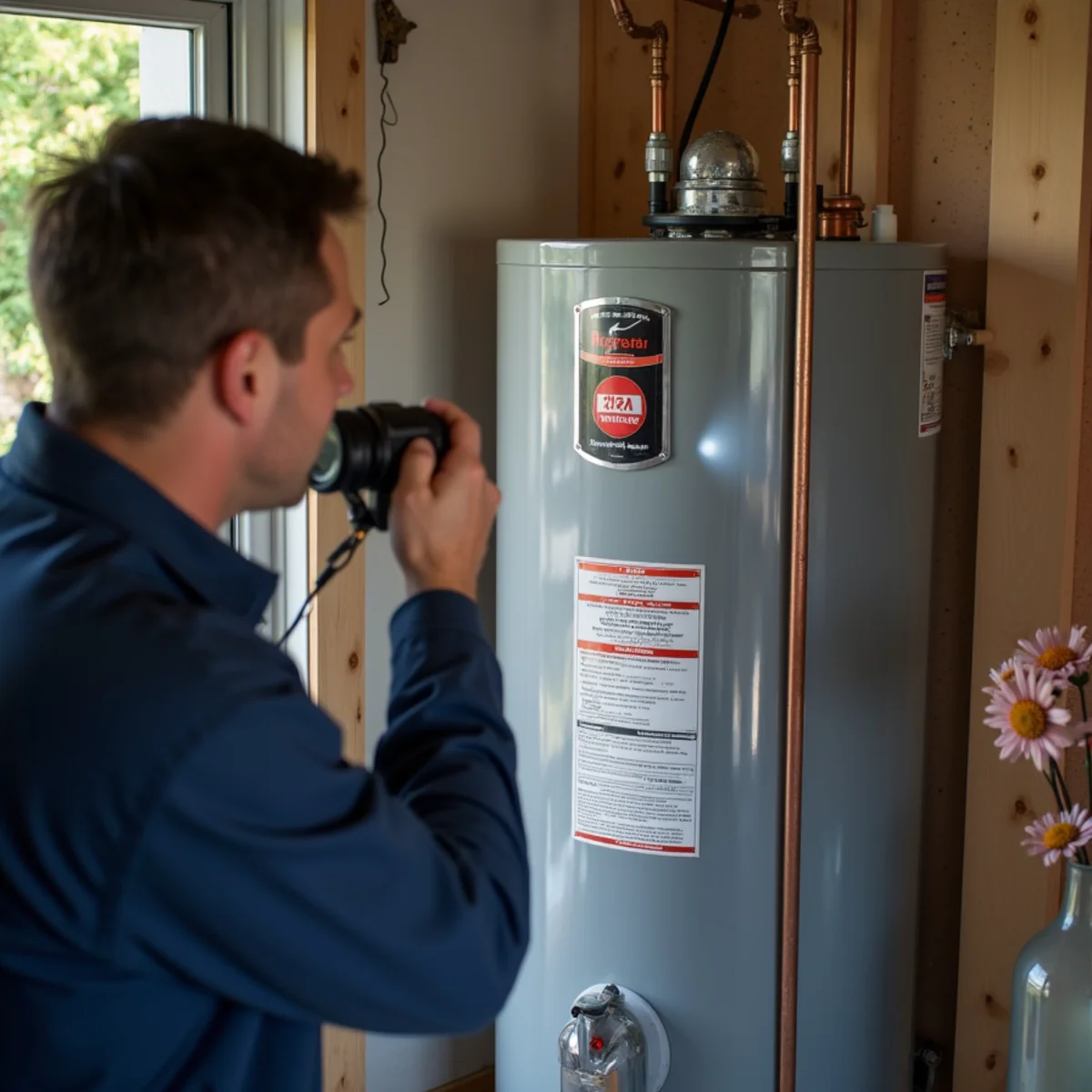
3. Check your water heater's age
The serial number on the label encodes the manufacture date. Tanks last 8 to 12 years, and a large share of local units are past that. Over ten years, plan the replacement rather than waiting for the failure. In the meantime, put a drain pan under it.
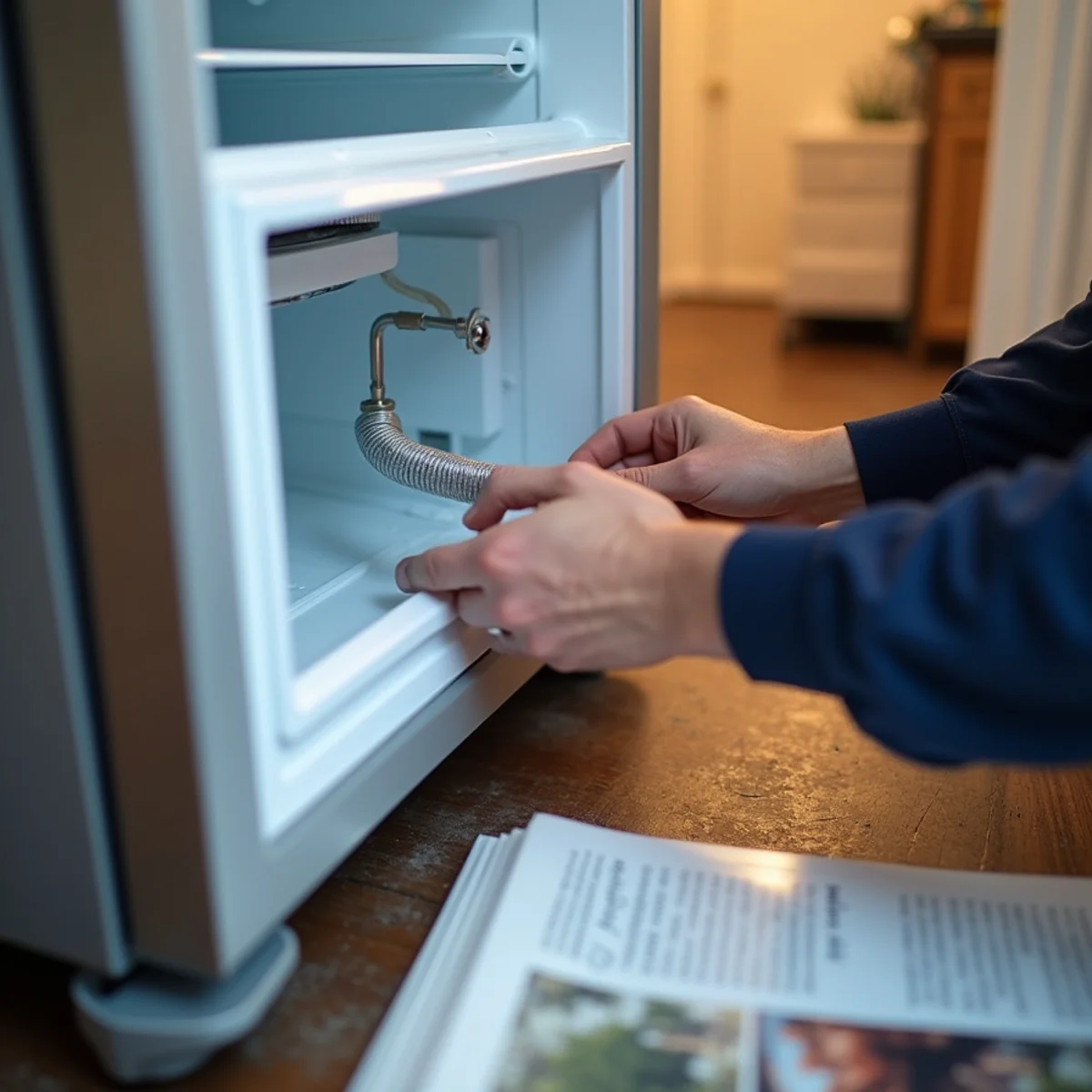
4. Replace plastic ice-maker tubing with braided line
The quarter-inch line behind the fridge is the sneakiest leak in the house — it splits and drips behind an appliance nobody moves, often for months. Also remove any saddle valve you find; they are notorious slow leakers.

5. Put leak sensors in the four places that matter
Under the dishwasher, behind the fridge, at the water heater, and in the laundry pan. Inexpensive wifi sensors pay for themselves the first time one goes off.
Autumn: before the wet season
Peninsula rain arrives in atmospheric rivers — several inches in a day or two with sustained wind. Almost every storm call we take traces to something that would have been a cheap fix in September.
Clear gutters, downspouts and roof valleys — On the tree-heavy streets around Farm Hill, Emerald Lake Hills and Edgewood Park, plan on doing this twice during the season rather than once.
Extend downspout discharge — Four to six feet from the foundation minimum, or into a solid pipe run to daylight. A downspout dumping at the wall defeats every other drainage measure.
Check plumbing vent boots on the roof — The rubber collars degrade in UV and split after roughly ten to fifteen years. Cracked boots are the most common roof leak we find, and they are inexpensive to replace.
Inspect flashing at chimneys, skylights and wall penetrations — Wind-driven rain finds these first. Look for lifted counter-flashing and failed sealant.
Clear area drains and lightwells — A leaf-blocked driveway drain turns a sloped driveway into a channel aimed at your garage.
Test the sump pump and add a battery backup — Pour a bucket into the pit, check the float, the check valve and the discharge line. Power fails during storms, which is exactly when the pump is needed.
Trim trees back from the roof and the house — Do it before the ground is soft. Saturated soil plus wind is when limbs come down.
Check the grade around the foundation — Soil should fall about six inches over the first ten feet. This is the cheapest, highest-impact change available on most properties.
Winter: during the storms
Check the attic with a flashlight after the first heavy night — Damp or compressed insulation marks an entry point far better than a ceiling stain, and finding a leak while it is active is the easiest time to trace it.
Walk the perimeter during rain — Watch where water actually goes. Ponding against the foundation, an overflowing gutter, a drain that cannot keep up — you learn more in five minutes of rain than in an hour of dry-weather inspection.
Watch for new ceiling stains and check them with a meter — A stain that appears during a storm and fades between storms is still wetting your framing every time.
During a cold snap, protect exposed pipe — Insulate lines in garages, crawl spaces and unheated spaces, disconnect hoses from hose bibs, and let a faucet drip on the coldest nights. Peninsula freezes are mild but not harmless.
Spring and summer: the quiet failures
Service the HVAC condensate drain — A clogged condensate line on an attic air handler overflows into the ceiling below during the first warm stretch. Annual service prevents it.
Check under every sink — Angle stops, braided supply lines, P-traps and disposal seals. Run a hand along the cabinet base — swelling or a soft spot means a slow leak you have not noticed.
Look behind and under the dishwasher — Warped or dark flooring at the cabinet toe-kick is often the first visible sign of a dishwasher that has been weeping for months.
Inspect the crawl space — Standing water, damp soil, torn vapour barrier, sagging insulation. Most Redwood City flats homes sit over a crawl space and almost nobody looks in it.
Check your water pressure — Anything much above 80 psi accelerates pipe and fixture failures. A gauge costs a few dollars and a pressure regulator is cheap insurance.
Test irrigation and check for over-spray at the foundation — A misaligned head watering a wall keeps the assembly damp all summer.
If your home is on a slab
A large share of Redwood City housing built between 1945 and 1965 is slab-on-grade with original galvanised or thin-wall copper supply lines. Those lines fail from the inside, and because the failure is under concrete, it can run for weeks before it surfaces.
Learn the four signs: a warm patch on the floor, the sound of running water with every fixture off, a water bill that increased with no change in usage, and new cracks in tile grout or drywall corners.
A useful monthly habit takes two minutes: shut every fixture off and check whether the meter is still turning. If it is, something is leaking. Our page on burst pipe and slab leak repair explains how we locate them without opening three rooms of flooring.
When you travel
Most catastrophic residential water losses happen to empty houses. A supply line that fails on day two of a two-week trip has thirteen days to work.
Shut off the main valve for trips longer than a few days — Or at minimum close the laundry supply valves. A smart shut-off valve automates this if you travel often.
Turn the water heater to vacation mode — Reduces both energy use and the consequences of a failure while you are gone.
Ask someone to check the house — A neighbour walking through every few days is the cheapest leak detection available.
Leave heat on low in winter — Enough to keep interior temperatures well above freezing during a cold snap.
24/7 Emergency Response
Dealing with this in Redwood City right now?
We answer 24/7 and can usually be on site within the hour. Extraction, verified drying and the rebuild, documented for your insurer.
- IICRC-certified technicians
- Licensed, bonded & insured
- Direct insurance billing
- 24/7 live answer — no phone trees
550 Allerton St, Redwood City, CA 94063 · Emergency dispatch answered 24/7, including holidays