Problem-solving·8 min read
The Hidden Dangers of Water Damage Mold in Redwood City Homes
Mold is a moisture problem wearing a costume. Remove the water and growth stops; clean the growth without removing the water and it returns.
Read the guide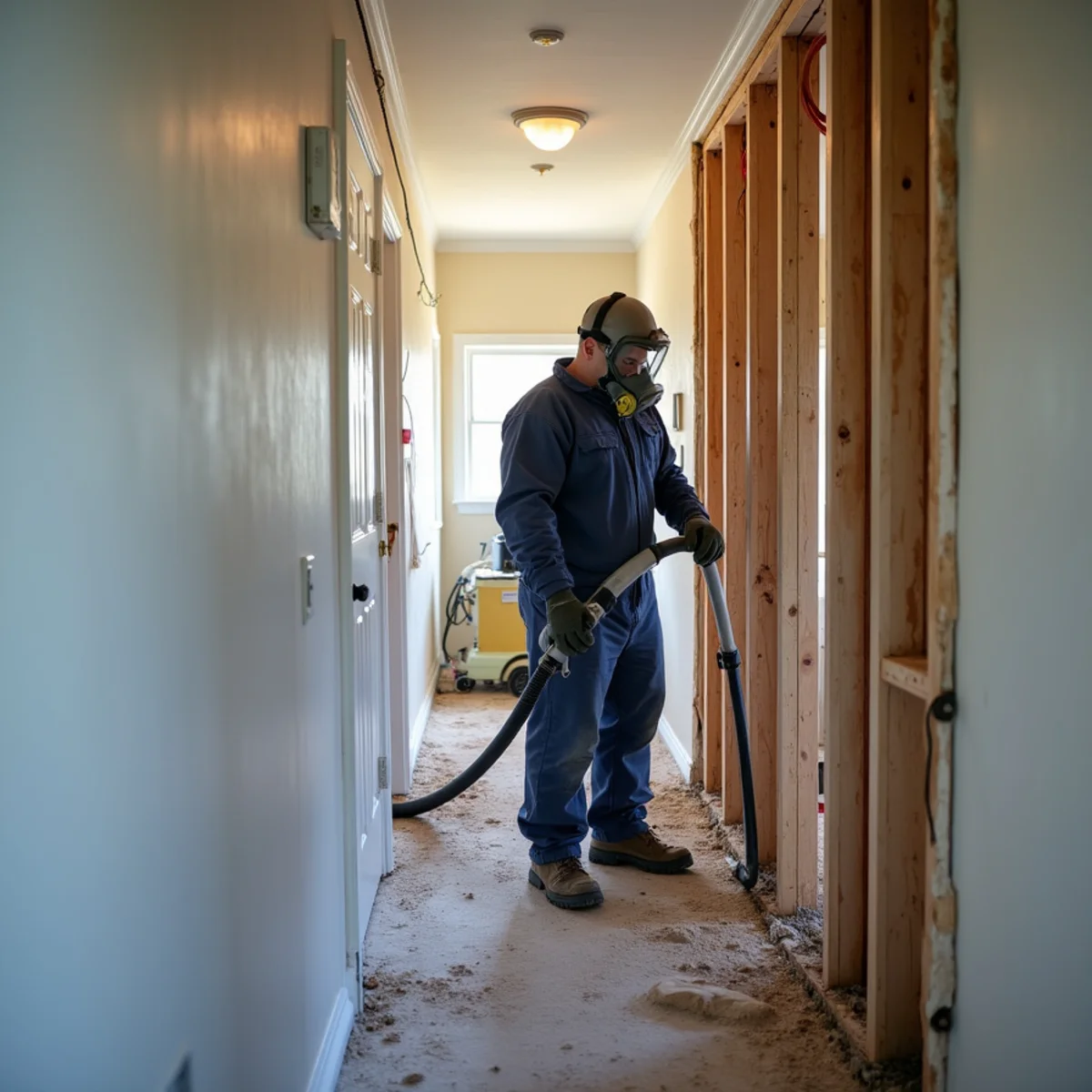
24/7 emergency service · Redwood City, CA
Mold is a moisture problem wearing a costume. Spores are already in every building; what they need is water and time — roughly 24 to 48 hours on a damp organic surface. Remove the water and the growth stops. Clean the growth without removing the water and it returns, usually within weeks.
Answered by a person, 24/7 — crews on site within 60 minutes in Redwood City.
That is why we treat remediation and moisture control as one job. Finding and fixing the source comes first, then containment and removal, then verification. Any company that scrubs visible mold without identifying what wet the material is selling you a repeat visit.
Redwood City gives mold three reliable openings: slow leaks in aging mid-century plumbing, winter storm intrusion at roofs and foundations, and the persistent damp of bayfill and coastal-influenced humidity. Homes closer to the water and to the hills both have their own version of the problem.
A musty, earthy smell that never fully clears
The most reliable indicator of concealed growth. Microbial VOCs pass through drywall and paint long before anything is visible.
Visible growth on drywall, trim or grout
Black, green, grey or white patches. Colour tells you very little about risk — extent and the moisture behind it are what matter.
Discoloured or dark patches on a ceiling or wall
Especially at an exterior corner, behind furniture on an outside wall, or below a bathroom above.
Symptoms that improve when you leave the house
Congestion, headaches, itchy eyes and asthma flare-ups that ease at work or on holiday and return at home.
Peeling wallpaper or paint on one specific wall
Adhesion failure in a defined area usually means the substrate behind it has been damp for a long time.
A previous water loss that was never properly dried
If a leak was mopped up and painted over without moisture verification, assume growth until readings say otherwise.
Our process
Step 1
Inspection and moisture source identification
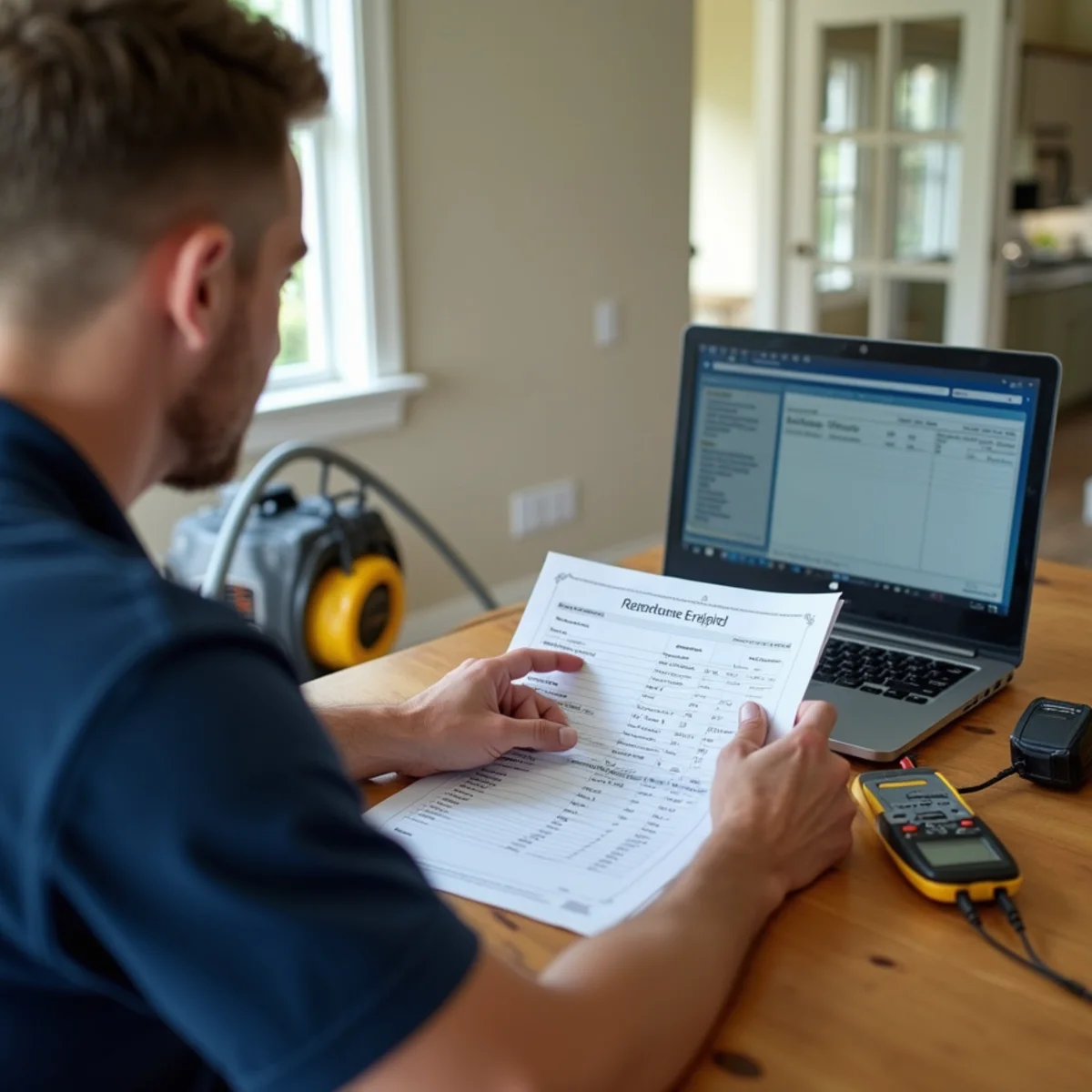
Thermal imaging, moisture mapping and physical inspection to find both the growth and the water feeding it. We define the affected area before touching anything, because disturbing growth without containment spreads it.
Step 2
Containment and negative air
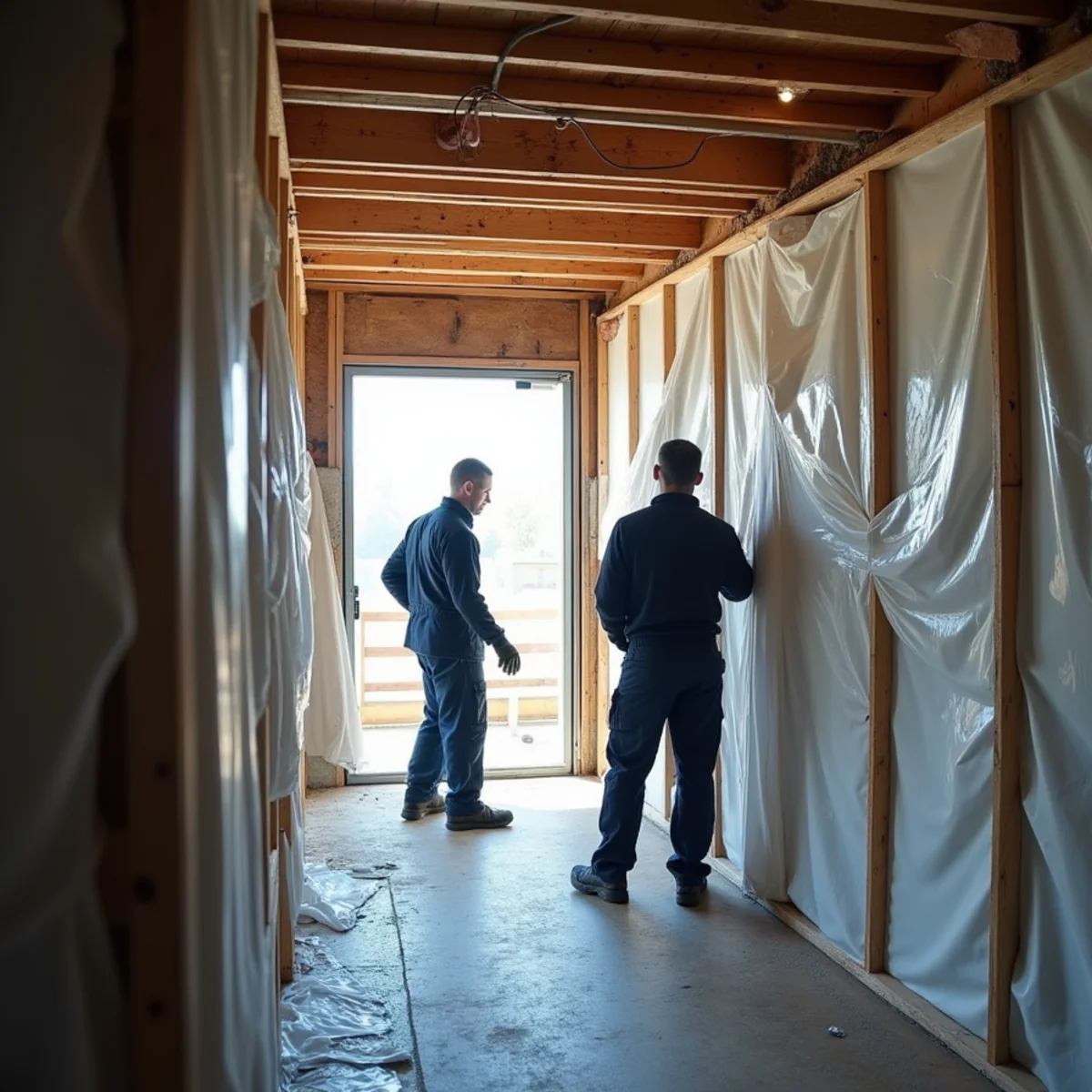
Physical barriers around the work area, HVAC isolated, and negative pressure through HEPA filtration so airborne spores exit the containment rather than travelling through the house.
Step 3
Remove affected porous material
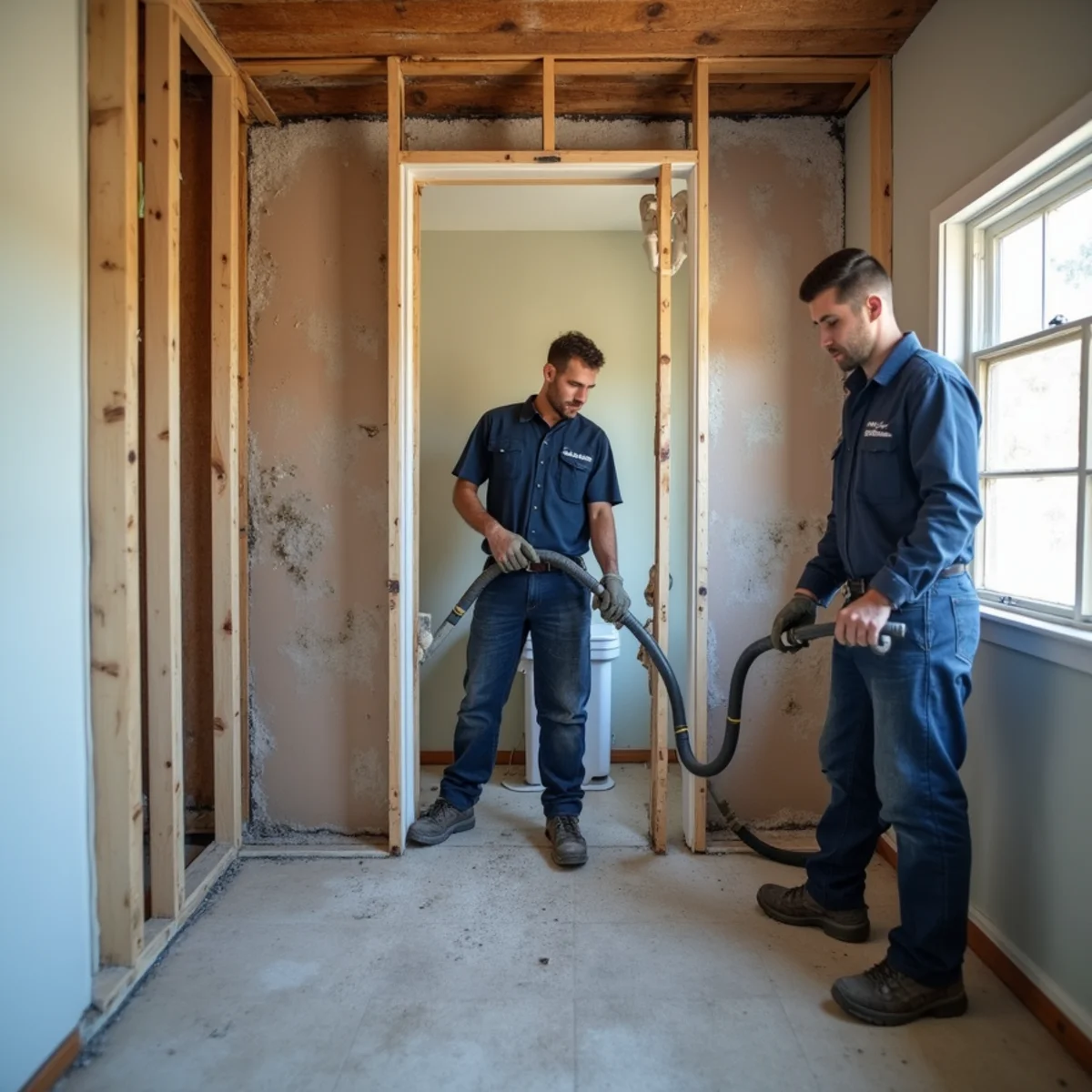
Contaminated drywall, insulation, carpet and pad, and porous contents are removed and bagged inside containment. Semi-porous framing is cleaned rather than replaced wherever it is structurally sound.
Step 4
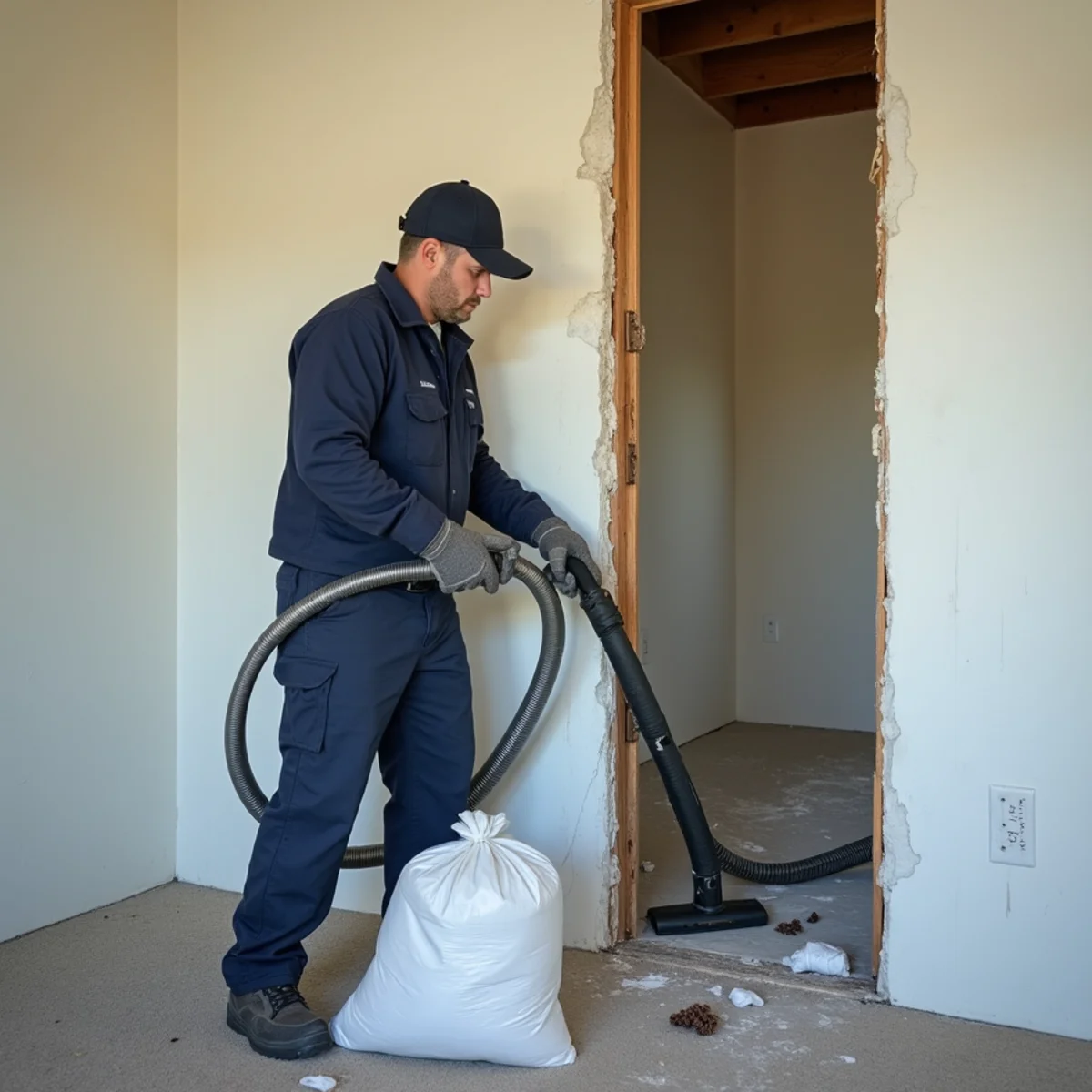
HEPA vacuum, clean and treat
HEPA vacuuming of surfaces, damp wiping, and antimicrobial application to framing and hard surfaces. Air scrubbers run continuously through this phase.
Step 5
Fix the moisture source and dry the assembly
The leak, drainage problem or humidity issue is corrected and the structure dried to standard with logged readings. Remediation without this step does not hold.
Step 6
Verify, then rebuild
Post-remediation verification — visual clearance, moisture readings, and third-party clearance testing where the scope or an insurer calls for it. Then insulation, drywall, texture, paint and finishes.
24/7 Emergency Response
Tell us what you are seeing and we will tell you honestly whether it needs a crew, and what it is likely to involve. Emergency dispatch is answered 24/7.
550 Allerton St, Redwood City, CA 94063 · Emergency dispatch answered 24/7, including holidays
Mold can begin colonising damp organic material within 24 to 48 hours. Drywall paper, wood framing, carpet backing, insulation facing and cabinet particle board are all food sources, and household temperatures are in the ideal range.
That timeline has a financial consequence people rarely hear about until it is too late. Many carriers will cover mold remediation when it results from a sudden covered water loss that was reported and mitigated promptly. Coverage gets much harder to obtain when growth resulted from a leak that was known about and left, because that reads as maintenance rather than a sudden event.
So the practical advice is the same for your health and your claim: report the water immediately, get it dried and documented, and keep the moisture log. Delay is what turns a covered mitigation job into an uncovered remediation job.
Remediation is a containment discipline. The dangerous moment in the whole process is when growth is disturbed, because that is when spore counts spike. Everything about the setup exists to control that moment.
Green flag: containment before demolition — Sealed barriers, HVAC shut down and isolated, negative air through HEPA before anything is cut.
Green flag: removal of porous material — Contaminated drywall, insulation and pad leave the building. They are not cleanable in place.
Green flag: the moisture source is named in the scope — A written scope that says exactly what wet the material and how it was corrected.
Red flag: fogging or spraying as the whole treatment — A biocide fog on top of concealed growth kills surface spores and leaves the colony and the food source in place.
Red flag: no containment on a large area — Cutting drywall on active growth without barriers distributes spores through the house. This is the most common shortcut.
Red flag: "black mold" pricing pressure — Species identification does not change the remediation protocol. Anyone using the phrase to justify an emergency premium is selling fear.
Redwood City sits in a genuinely mixed moisture environment. Winter brings extended rain and high humidity; summer brings marine layer influence and cool nights with high relative humidity even when it has not rained for months.
What that means practically: surfaces in poorly ventilated spaces stay damp longer than the calendar suggests. Closets on exterior walls, crawl spaces, garages, and bathrooms without working exhaust fans are the recurring locations. Homes toward the coast — the El Granada, Montara, Moss Beach and Half Moon Bay side of the county — deal with a constant damp load that inland homes do not.
Prevention here is about ventilation and dew point, not just leaks. Run bathroom fans for twenty minutes after showering and confirm they vent outside rather than into an attic. Keep indoor relative humidity in the 40–55% range through the wet season. Do not push furniture tight against exterior walls in rooms that run cool. And keep crawl space vents clear.
Honest pricing
We publish ranges rather than hiding them behind a form. Mitigation runs $3 – $7.50 per square foot depending on water category, and most complete jobs land between $1,384 and $6,387. You get an itemised written estimate after inspection — never a firm number before anyone has checked for hidden moisture.
Why us for this
Restoration gets bought in a hurry, usually from whoever answers first. These are the things worth checking before you hand anyone a key — and what we put in writing on every mold remediation job.
Sealed barriers, HVAC isolated and negative air running before anything is cut. Cutting drywall on active growth without containment is the most common shortcut in this trade and it distributes spores through the whole house.
Mold is a moisture problem wearing a costume. Any scope that does not name what wet the material and how it was corrected is a scope for repeat work, and in this climate the repeat comes within weeks.
Species does not change the remediation protocol, and colour is a poor guide to risk. Anyone using the phrase "black mold" to justify an emergency premium is selling fear rather than a plan.
Visual clearance, moisture readings and — where the scope, a health complaint or a property sale calls for it — independent third-party clearance testing. We will tell you honestly when testing is worth the cost and when it just delays the work.
Honest pricing
Mitigation is priced per square foot by water category. Reconstruction is quoted separately, and you get an itemised written estimate after inspection rather than a number over the phone.
| Water category | Typical source | Health risk | Mitigation cost |
|---|---|---|---|
| Category 1 — clean water | Broken supply lines, sink and tub overflows, clean appliance leaks | Low risk if dried quickly | $3 – $4 / sq ft |
| Category 2 — gray water | Washing machine or dishwasher discharge, urine-only toilet overflow, sump failure | Moderate — bacteria present, can cause illness | $4 – $7 / sq ft |
| Category 3 — black water | Sewage backup, storm floodwater, toilet overflow with solids, microbial growth | High — pathogens; PPE and containment required | $7 – $7.50 / sq ft |
Insurance
We bill your carrier directly for covered work, so you are not floating the cost and waiting on reimbursement. You do not need to wait for an adjuster before emergency mitigation starts — policies expect you to take reasonable steps to limit the damage.
Sudden and accidental damage — a burst supply line, a failed water heater, an appliance hose — is covered by most California policies. Gradual leaks and deferred maintenance often are not, rising water from outside needs separate flood insurance, and sewer backup usually needs its own endorsement.
Nobody can promise what your carrier will decide. What we can promise is that the loss is documented well enough for that decision to be made on the facts.
California coverage explainedMold Remediation in Redwood City? A person answers 24/7 and gives you shut-off instructions while the crew is on the way.
+1 (201) 277-9344Problem-solving·8 min read
Mold is a moisture problem wearing a costume. Remove the water and growth stops; clean the growth without removing the water and it returns.
Read the guideCost & insurance·8 min read
Most restoration companies hide pricing behind a quote form. Here are the actual ranges, what moves them, and how to read an estimate.
Read the guideReviewed by Water Damage Redwood City — checked by our IICRC-certified project managers.
Last reviewed
Where we provide this service
We cover Redwood City and the surrounding Peninsula. Local conditions change the plan — bayfill slabs dry slowly, hillside runoff is contaminated, and pre-1960 housing hides leaks under concrete — so pick your area for specifics.
FAQ
The remediation protocol does not change by species, and colour is a poor guide to risk. What matters is the extent of growth, whether occupants are sensitive or immunocompromised, and whether the moisture source is still active. Anyone using "black mold" to justify emergency pricing is selling fear rather than a plan.
Not always. If growth is visible and the moisture source is identified, testing before work often just delays the remediation. Testing is genuinely valuable in three cases: you smell mold but cannot find it, you need documentation for a health complaint or a real-estate transaction, or you want independent post-remediation clearance. We will tell you which case you are in.
It depends on the origin and the timeline. Mold resulting from a sudden covered water loss that was reported and mitigated promptly is frequently covered, often up to a policy sublimit. Growth from a long-standing known leak is typically treated as a maintenance issue and excluded. Prompt reporting and a documented moisture log are what keep the claim on the covered side of that line.
On a hard, non-porous surface like tile or a tub surround, cleaning small surface growth yourself is reasonable. On drywall, insulation, carpet pad or wood, it is not — bleach sanitises the surface while the colony and its food source stay in place below, and scrubbing releases spores into the air. If growth covers more than about ten square feet, or if you cannot find where the water came from, get it assessed.
A contained bathroom-scale job is usually two to three days including setup, removal and treatment, plus drying. Larger multi-room scopes with clearance testing typically run one to two weeks before rebuild starts. The moisture repair timeline is separate and depends on what caused it.
24/7 Emergency Response
A person answers 24/7 and gives you shut-off and safety instructions while a crew is already on the way. Emergency mitigation is loss-limiting work your policy expects you to start immediately.
550 Allerton St, Redwood City, CA 94063 · Emergency dispatch answered 24/7, including holidays