Emergency guides
Roof Leak Emergency: Quick Actions to Minimize Damage
Stop the water getting in, then get the water out. Both matter, and with atmospheric rivers arriving in sequence, neither can wait.
While it is still raining
Contain first. Put a bucket or bin under an active drip, and lay towels or plastic sheeting to protect flooring. Move furniture and contents out of the affected area.
If the ceiling is bulging or sagging, stay out of the room. A saturated drywall ceiling is holding weight and can fail without warning, bringing insulation and light fixtures with it. Kill power to fixtures in that area at the breaker if you can do so safely — and do not stand under it to do that.
Counter-intuitively, a controlled release is often better than waiting. If water is pooling above a ceiling and you can safely reach it, a small hole at the low point drains it into a bucket and prevents a much larger collapse. If that feels beyond you, that is exactly what we do on arrival.
Do not go on the roof during a storm. Wet composition shingles are extremely slick, and a fall is a worse outcome than a wet ceiling.
Then get the roof covered
Emergency tarping is the priority once the interior is contained, and it is worth understanding why the urgency is real here rather than generic.
Peninsula winters arrive as atmospheric rivers in sequence — sometimes two or three systems in a week. Whatever is open when the next system lands will get wet again. So tarping is not about being tidy, it is about not repeating the loss in four days.
Emergency tarping and board-up is also generally covered by insurance as loss-limiting mitigation, and you do not need to wait for an adjuster before doing it. Policies expect reasonable steps to prevent further damage.
The leak is almost never where the stain is
Water enters at a penetration, hits the underside of the sheathing, and then travels — down the slope of the deck, along a rafter, across a top plate, or following a duct or wire run. It drops at the first low point or opening it finds, which can be ten or fifteen feet from where it came in.
This is why patching a roof from the interior stain location is close to a coin flip, and why we inspect from the attic. Up there you can see the actual track: the darkened path on the sheathing, the wet rafter face, the compressed insulation directly beneath the entry point.
It is also why an attic inspection with a flashlight after the first heavy night of the season is one of the most useful things a homeowner can do. Finding a leak while it is active is far easier than reconstructing it later.
What fails on Peninsula roofs
Cracked plumbing vent boots
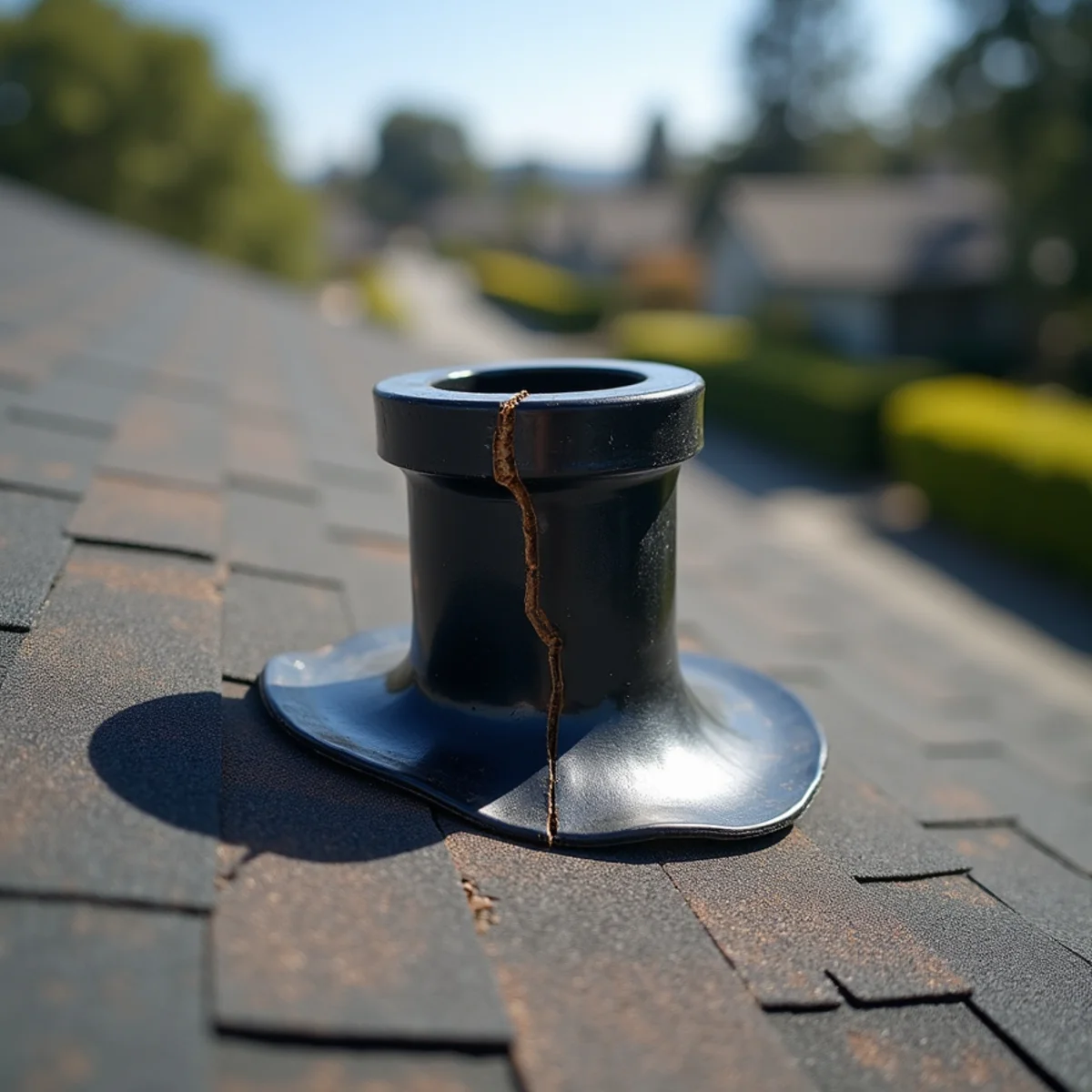
The most common single cause we find. The rubber collar around a vent pipe degrades in UV and splits after roughly ten to fifteen years. Inexpensive to replace, and easy to spot from the roof in dry weather.
Chimney and skylight flashing
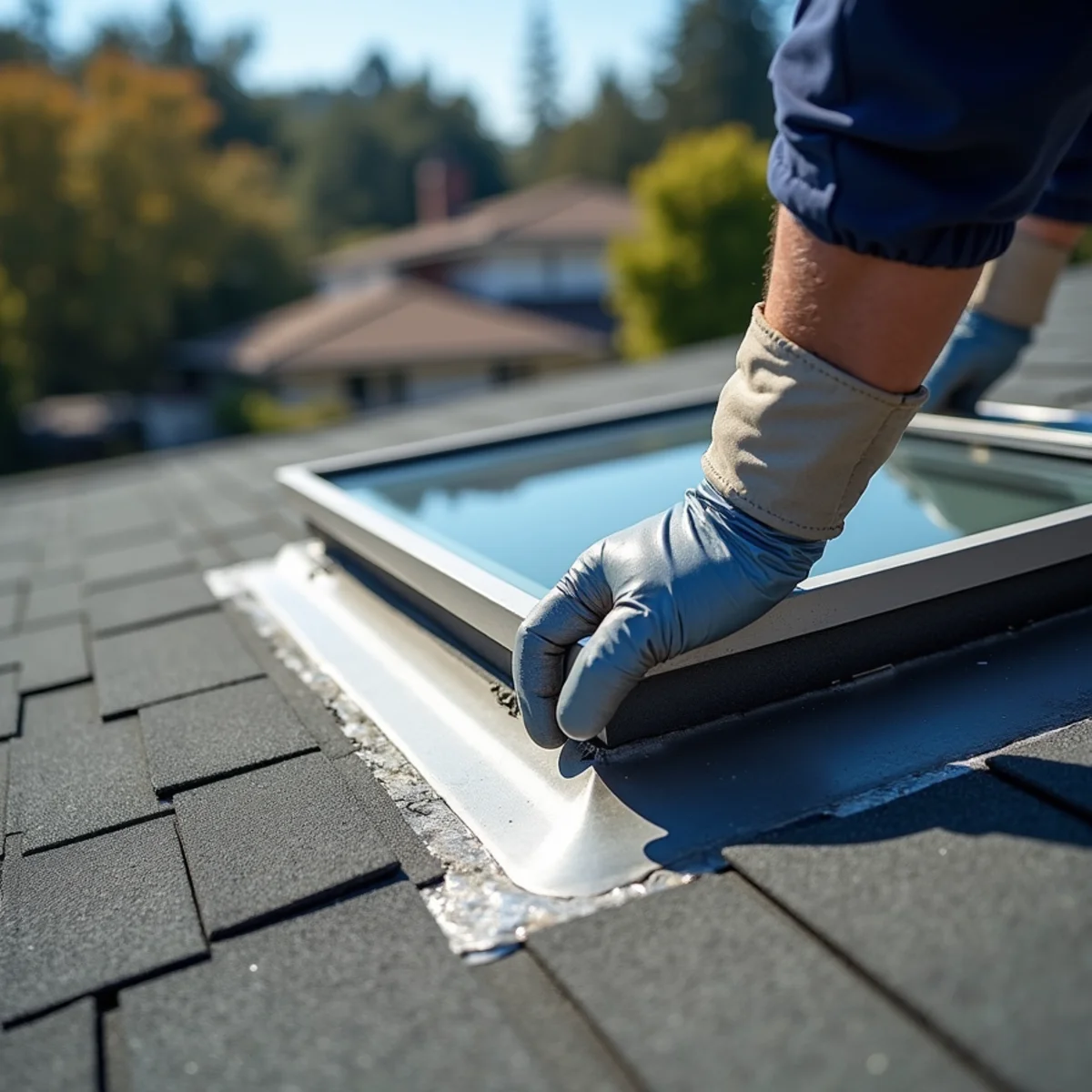
Failed counter-flashing or dried-out sealant at the head. These leak specifically in wind-driven rain, which is why the stain appears during storms and not others.

Blocked valleys
Oak and redwood litter packs a valley, water backs up over the flashing and under the shingles. Very common around Farm Hill, Emerald Lake Hills and Edgewood Park.
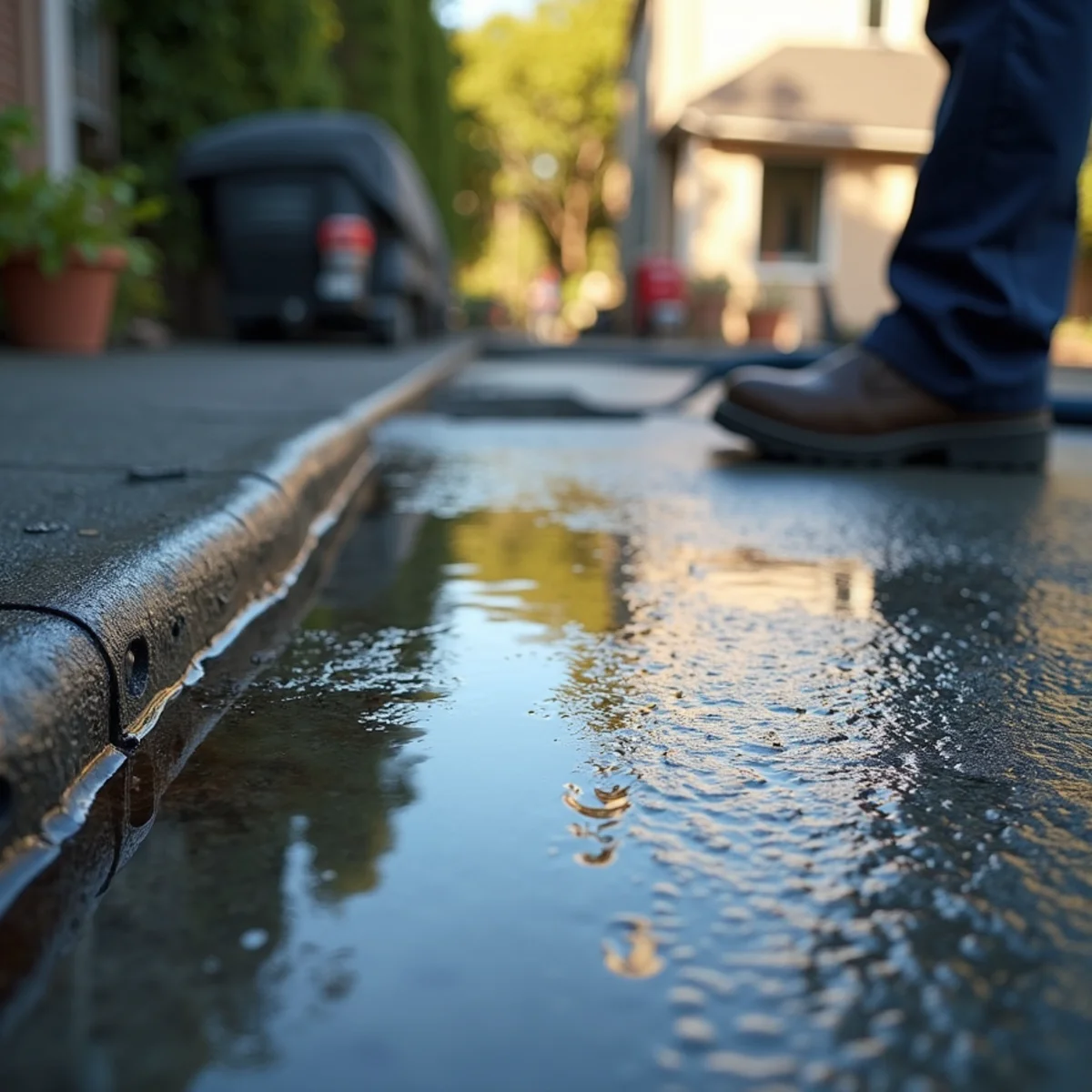
Low-slope sections
Additions, carports and patio covers where water ponds and finds a seam. Mid-century homes here have a lot of these.
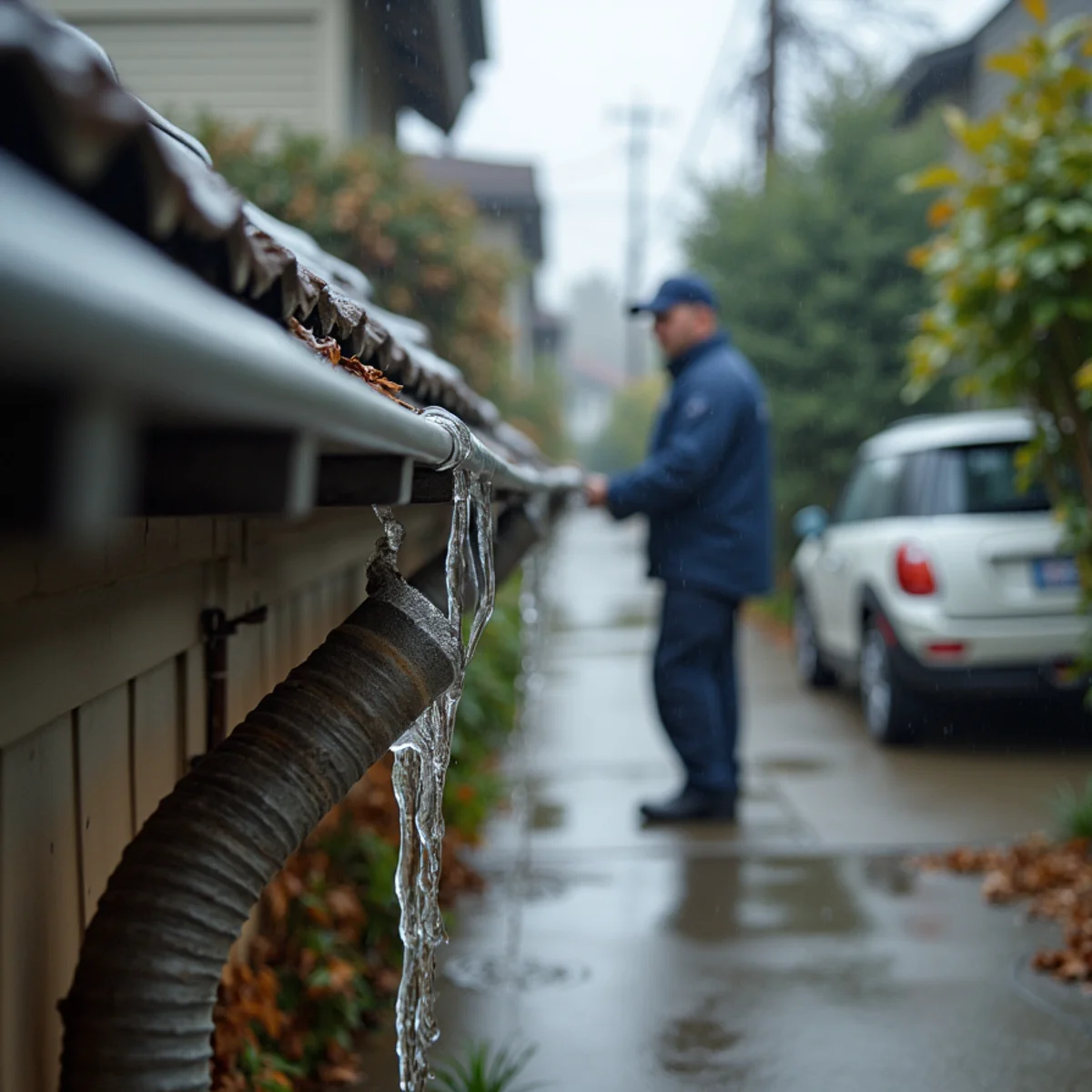
Overflowing gutters
When a gutter fills, water backs up under the eave into the fascia and sometimes into the wall assembly below.
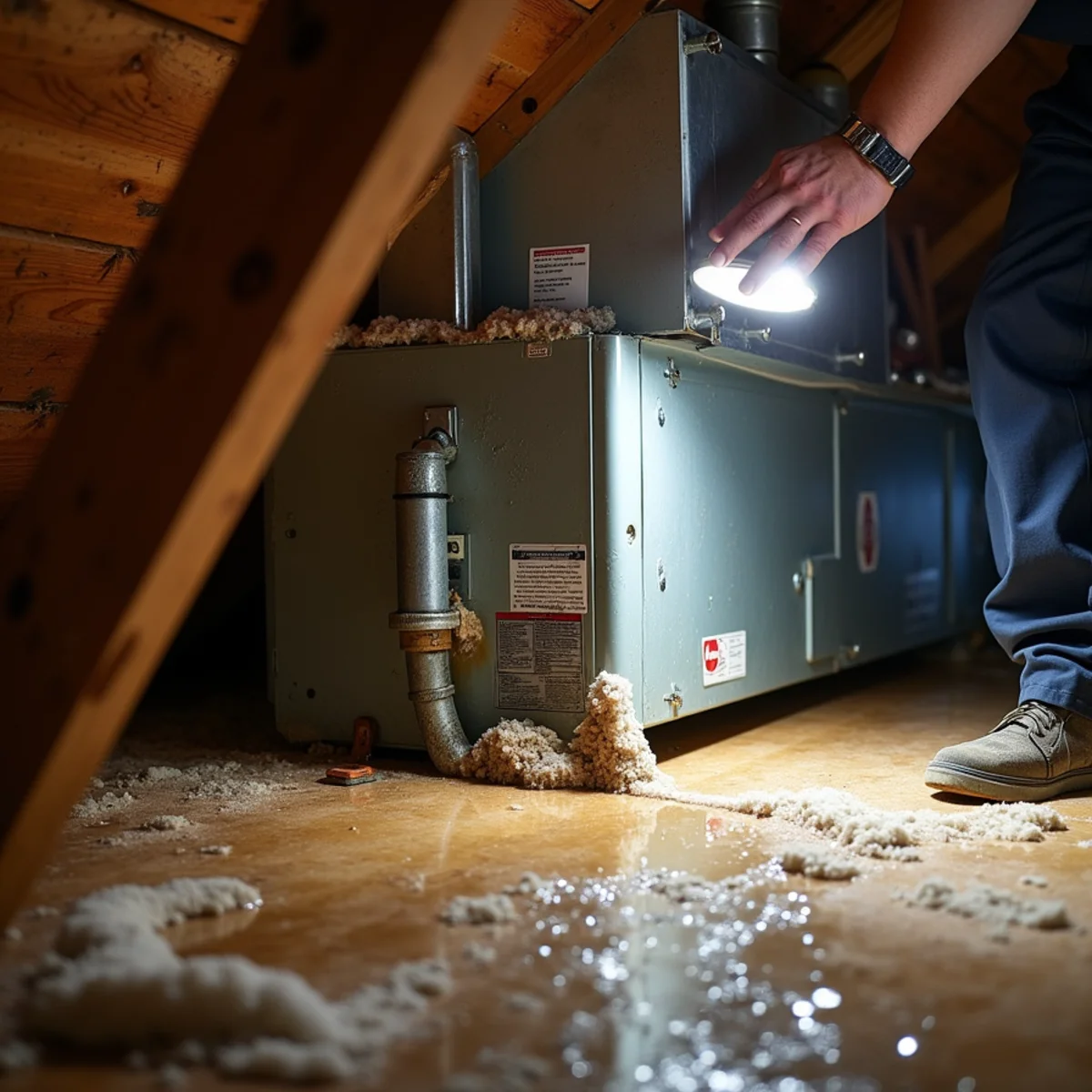
HVAC condensate in the attic
Not a roof leak at all, but it presents identically — a hallway ceiling stain below an attic air handler during the first warm week of the year.
The attic is where the real damage is
The ceiling stain is cosmetic. The problem is above it.
Wet insulation is the main issue. Fibreglass and cellulose that have been soaked lose R-value permanently, because the fibres compress and do not recover. They also hold water against framing for weeks, which is how fungal decay gets started on sheathing and rafters — and that is a structural repair rather than a cosmetic one.
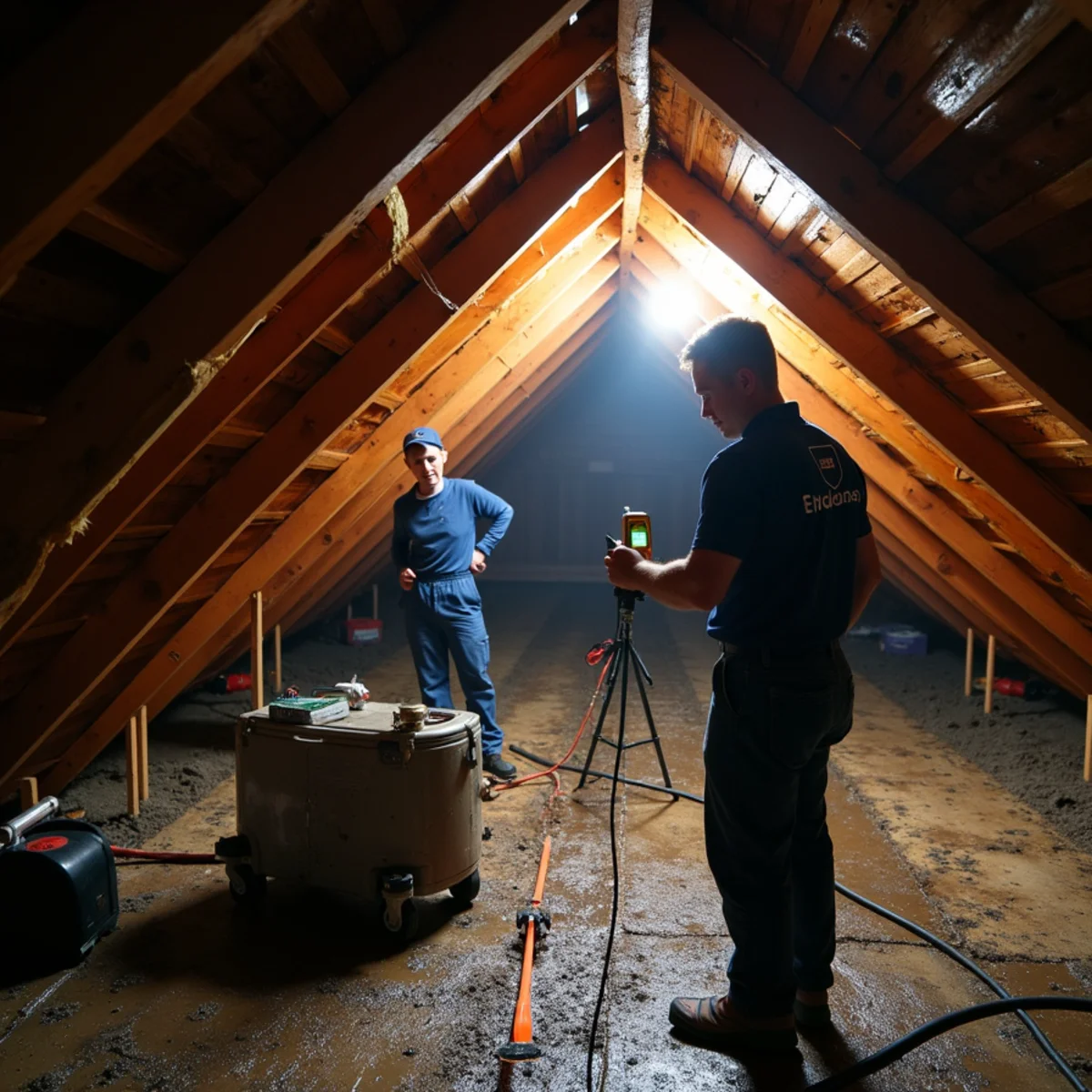
So proper attic work means removing the wet insulation rather than drying around it, getting dedicated airflow across sheathing and framing, running dehumidification sized for the attic volume, and taking readings at the sheathing and rafters rather than from the room below.
Replacing affected insulation is not an upsell. It restores the thermal performance you were already paying for on your energy bill.
When a stained ceiling can just be painted
Sometimes it can, and we will tell you when. A dry, stable stain from a leak repaired years ago can be sealed with a stain-blocking primer and repainted. That is a legitimate fix.
It is not enough in three situations: the drywall is soft, sagging or delaminated; the cavity above still holds wet insulation or framing; or the source has not actually been fixed. Painting over any of those buys a few months.
The test takes two minutes — a moisture meter reading at the stain and at the framing above. Anyone quoting a ceiling repair without taking that reading is guessing.
One local caution: if your ceiling has sprayed acoustic "popcorn" texture and the house was built before 1980, that texture may contain asbestos. It needs testing before anything is scraped or cut, and if positive, licensed abatement comes first. We stop and test rather than disturb it.
Before next winter
Clear gutters and valleys twice per season — Not once, on the tree-heavy west-side streets.
Replace vent boots proactively at 10 to 15 years — Cheap, quick, and the most common failure point.
Inspect flashing at every penetration — Chimneys, skylights, wall junctions, vents. Look for lifted metal and failed sealant.
Service the HVAC condensate drain annually — Prevents the leak that looks like a roof leak.
Trim branches off the roof — Before the ground softens and the wind arrives.
Check the attic after the first heavy rain — Five minutes with a flashlight in November is worth more than any inspection in July.
24/7 Emergency Response
Dealing with this in Redwood City right now?
We answer 24/7 and can usually be on site within the hour. Extraction, verified drying and the rebuild, documented for your insurer.
- IICRC-certified technicians
- Licensed, bonded & insured
- Direct insurance billing
- 24/7 live answer — no phone trees
550 Allerton St, Redwood City, CA 94063 · Emergency dispatch answered 24/7, including holidays