Emergency guides
Steps to Take After a Flooded Basement in Redwood City
Below-grade water is the slowest to dry and the fastest to grow mold. Here is the order of operations and the honest timeline.
Safety before anything else
Below-grade flooding has hazards that a first-floor leak does not, and they are worth taking seriously before you go down the stairs.
Electricity is the first. Outlets, panels, appliances and extension cords at floor level may be submerged or splashed. Do not enter standing water in a lower level until the relevant circuits are off, and never reach for a panel while standing in water. If the panel is in the flooded area, stay out and call.
Gas appliances are the second. Furnaces, water heaters and dryers in a flooded space may have submerged controls or extinguished pilots. If you smell gas, leave and call the utility.
Contamination is the third. If the water came from outside the building or up through a floor drain, treat it as Category 3 — contaminated. Boots, not sandals, and ideally wait for a crew with proper equipment.
Then get the water out — properly
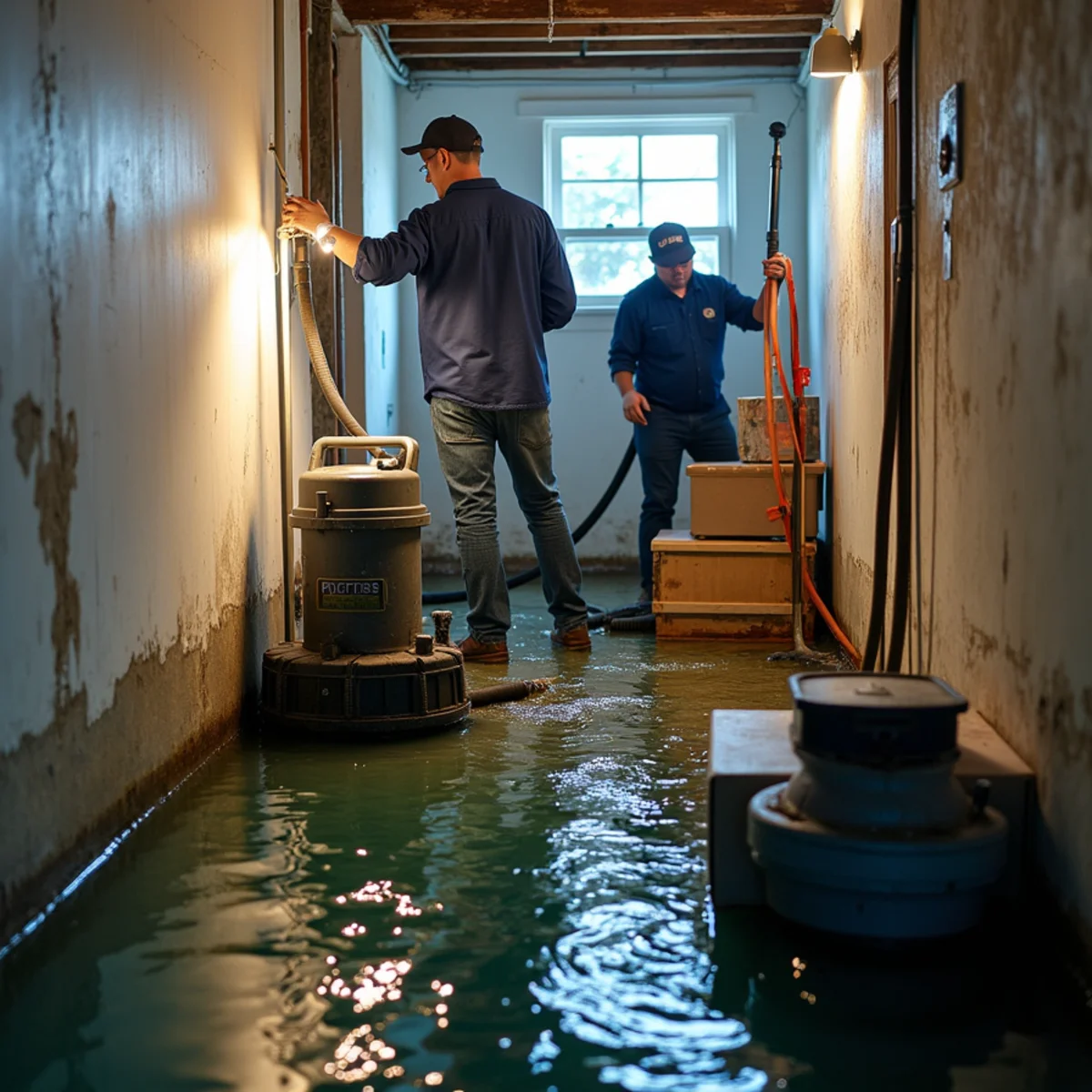
Standing water needs pumping and extraction, not mopping. Submersible pumps handle depth; truck-mounted and portable extraction handles the remainder and the water held in materials.
One important caution: if the flooding is from a high water table or hydrostatic pressure, pumping a basement completely dry very quickly can, in extreme cases, create pressure differentials against foundation walls. In practice, for the below-grade spaces typical in Redwood City this is rarely the constraint — but it is one reason the work benefits from someone who has done it before.
Do not use a generator indoors under any circumstances. Carbon monoxide poisoning after floods kills people every winter. Generators stay outside, well away from openings.
Redwood City below-grade reality
Full basements are less common here than in older East Coast housing, but the equivalent spaces are everywhere, and each takes water differently.
Daylight basements and lower levels on the Farm Hill and Emerald Lake Hills slopes take hydrostatic pressure and surface runoff. After days of winter rain, saturated soil holds water against the foundation and pushes it through any crack or cold joint.
Below-grade garages downtown and in Redwood Shores condo buildings take surface water at the entry and, near the bay, deal with a high water table that keeps the slab damp.
Vented crawl spaces under most of the mid-century single-storey homes on the flats are the most-ignored version of the problem. Water sits there unnoticed for months, driving humidity up through the floor assembly — which is why cupped hardwood, musty closets and cold damp floors are so often a crawl space problem in disguise.
What comes out and what stays
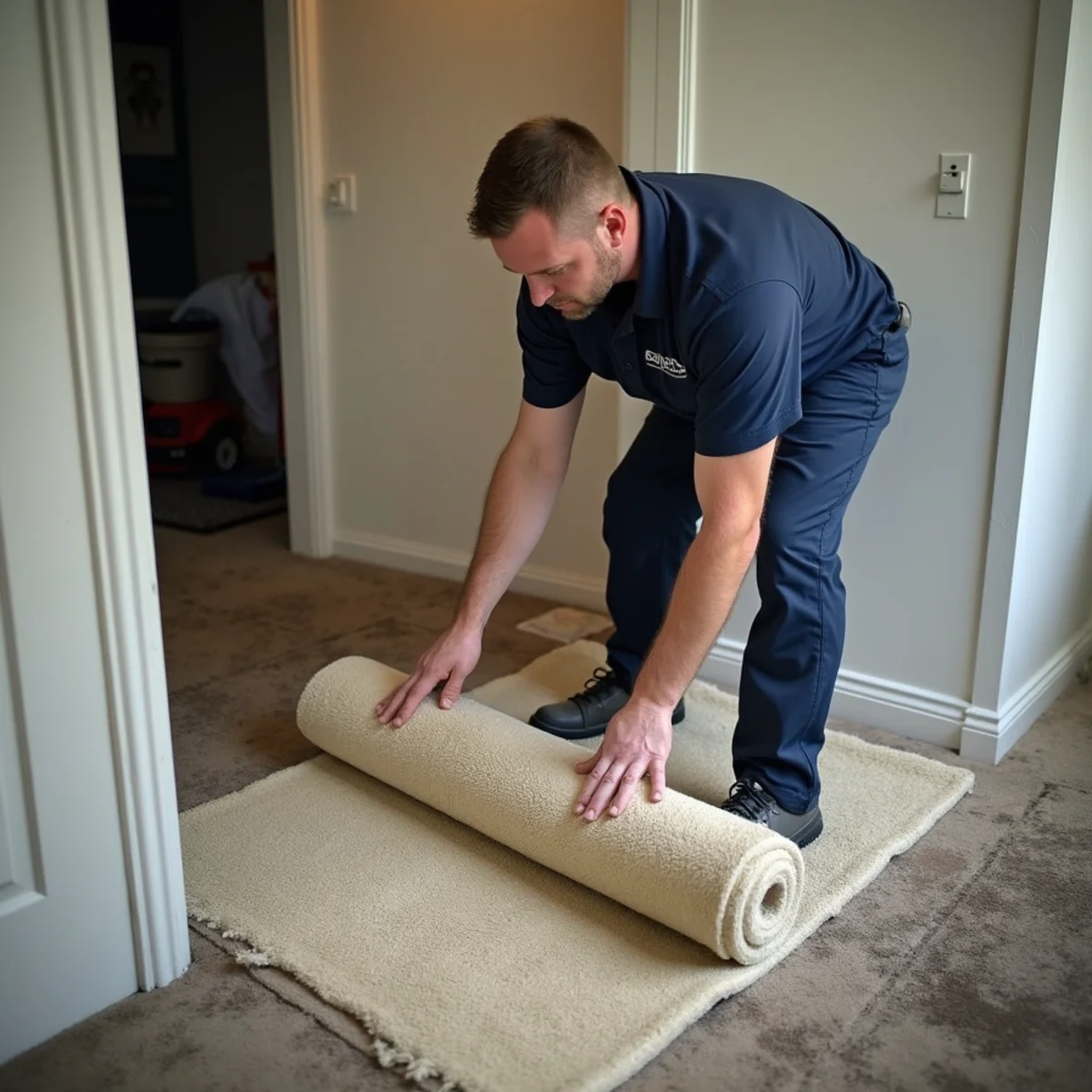
Carpet and pad — out
Pad after any below-grade flood is not salvageable. Carpet face fibre occasionally is with clean water and fast action, but rarely worth it below grade.
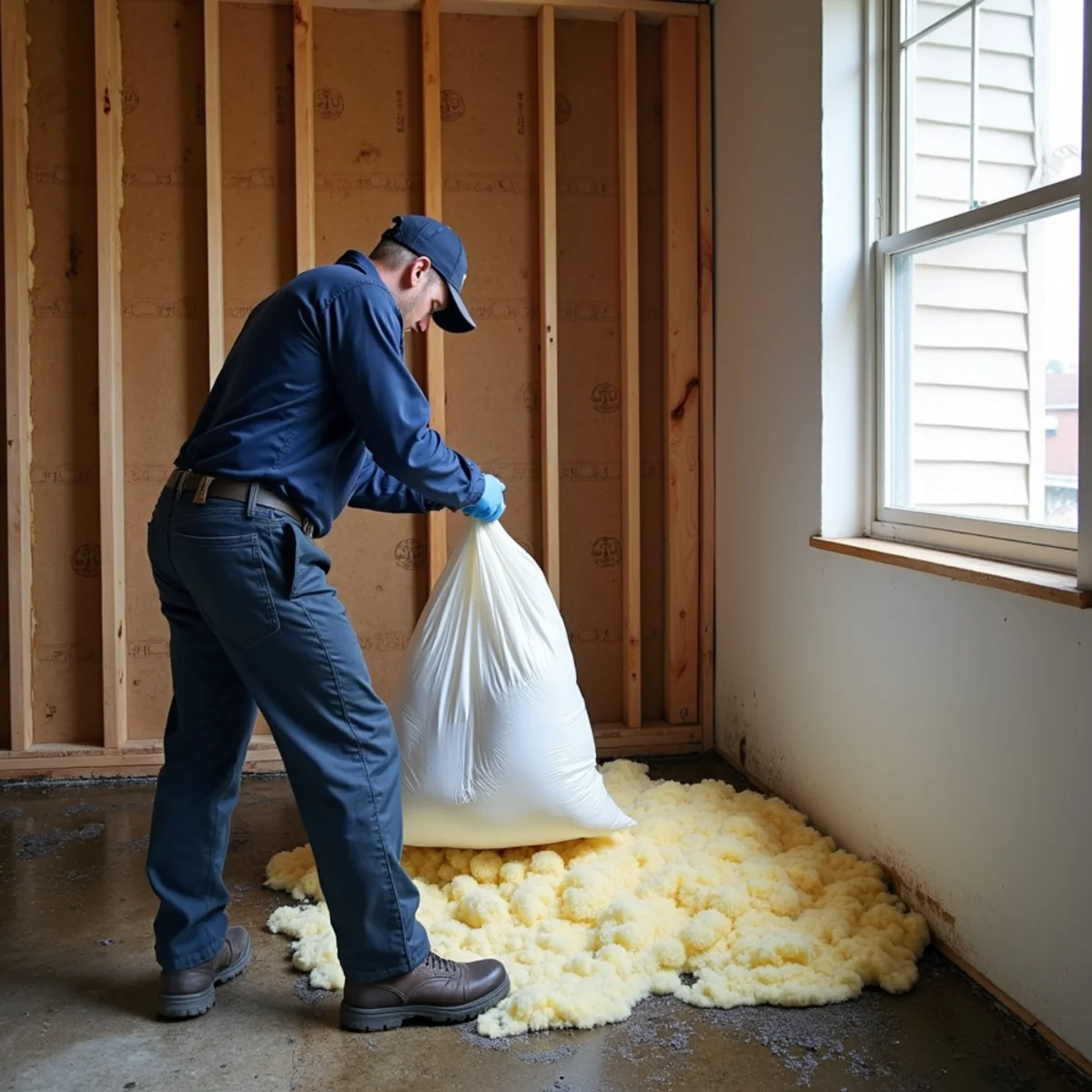
Wet insulation — out
Batt and blown-in insulation hold water against framing indefinitely and will not dry in place. This applies in crawl spaces as much as in finished walls.
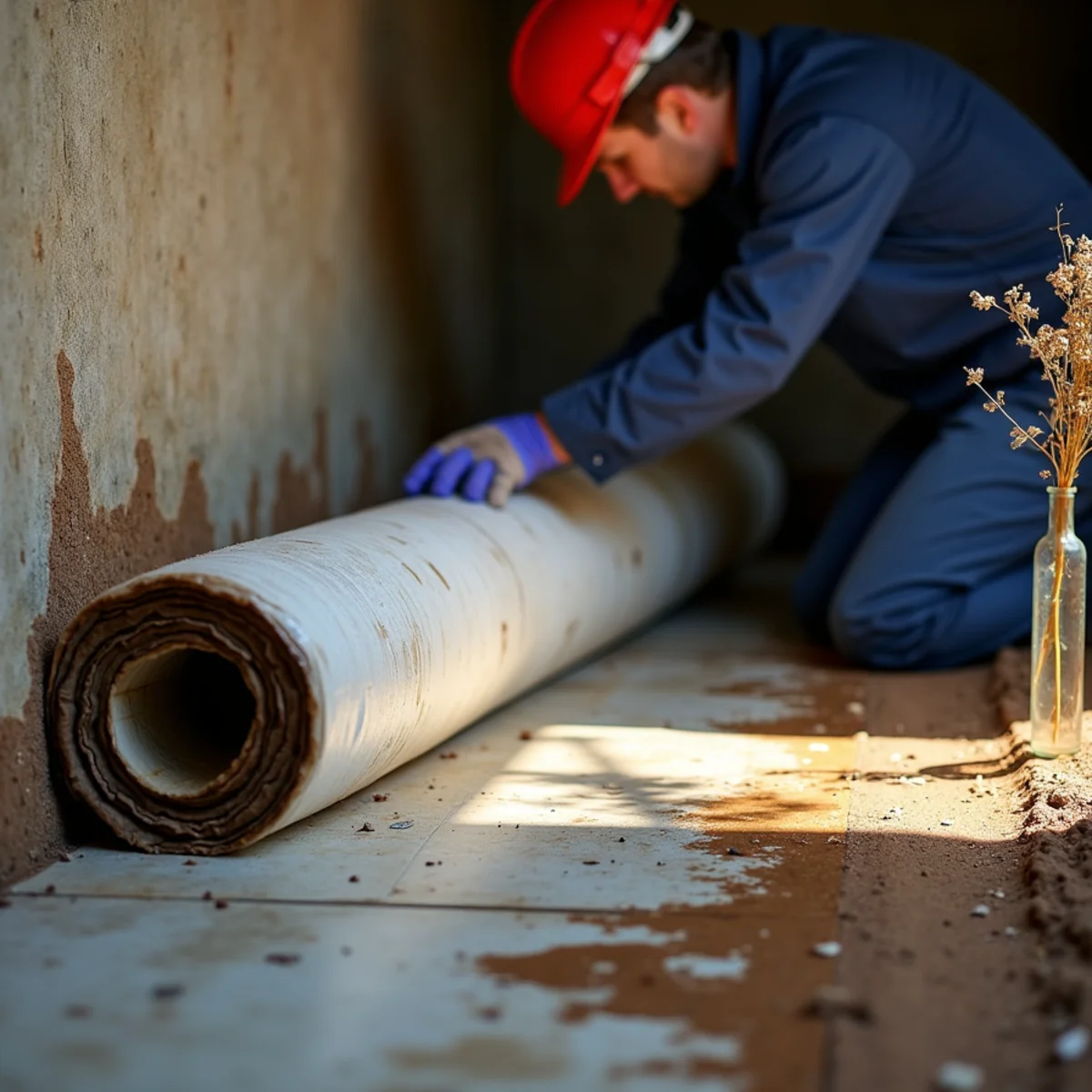
Contaminated vapour barrier — out
Plastic sheeting in a crawl space that has taken water traps moisture underneath. It gets removed and replaced rather than dried.
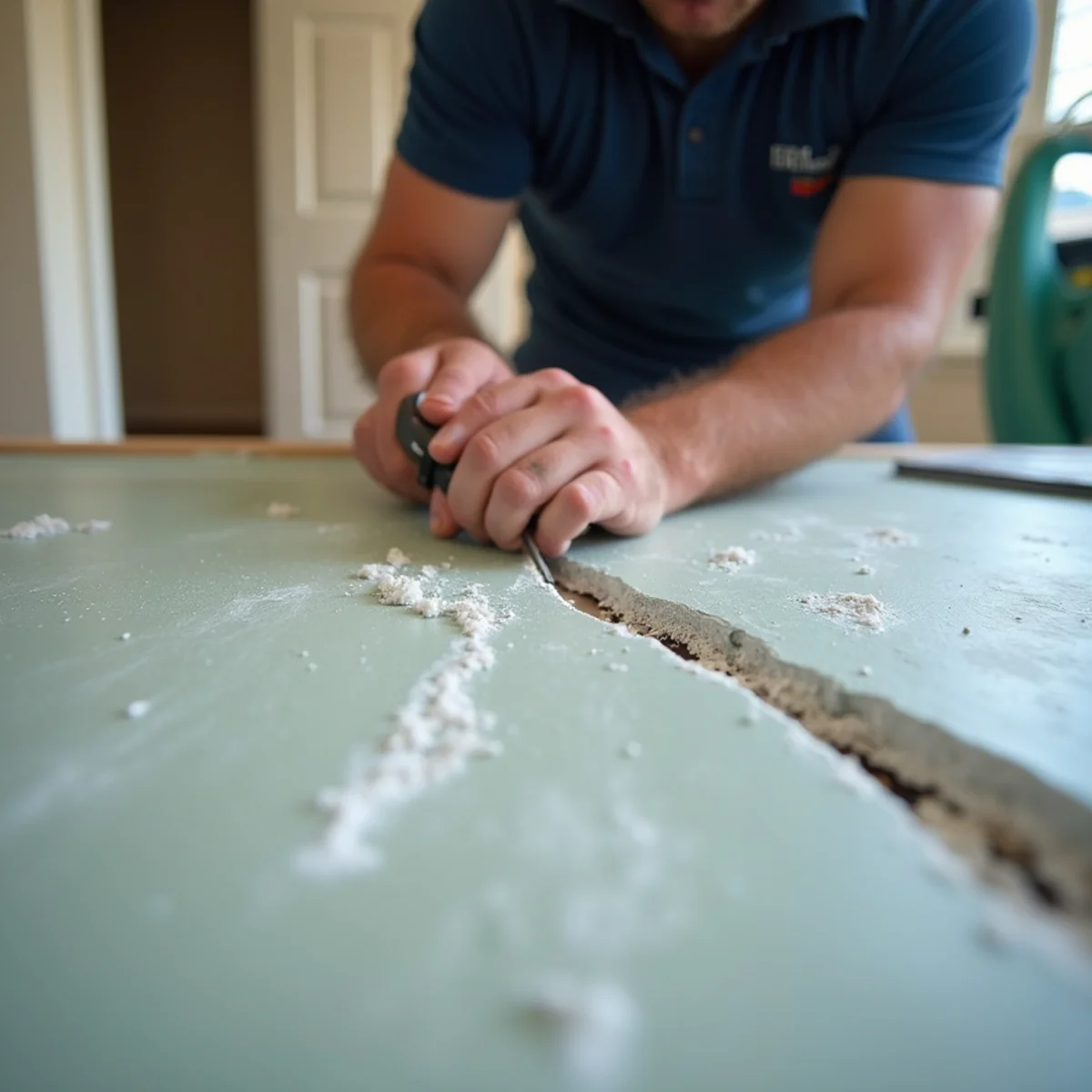
Drywall — cut to a documented height
Usually well above the visible water line, because drywall wicks water up its paper facing further than the tide mark suggests.

Framing, slab and masonry — cleaned, treated and dried
These are salvageable and are what the drying plan is really aimed at.
Stored contents — assessed individually
Cardboard, paper, textiles and upholstered items that sat in contaminated water generally do not come back. Photograph everything before disposal.
Why below-grade drying takes longer
This is the expectation that most needs setting. A below-grade space takes 5 to 10 days to dry where an equivalent upstairs room takes 3 to 5, and near the bay it can be longer still.
Four reasons. It is cool, and cool materials release moisture more slowly. Relative humidity is high, so the air has less capacity to accept moisture. Natural airflow is poor, so evaporation stalls without mechanical help. And concrete is involved, which gives up water over days rather than hours.
This is also where low-grain refrigerant dehumidifiers earn their place. They keep working at the cool temperatures and lower humidity levels where standard refrigerant units lose capacity or ice up. A rental-store dehumidifier in a cold crawl space is close to decorative. Our structural drying page explains the equipment side in more detail.
Anyone promising a three-day dry-out on a below-grade space has not measured it.
Stopping the next one
Recurring flooding in the same place is always an outside-the-building problem. Drying it without correcting the cause simply schedules the next visit, so here is the list in order of impact.
Fix the grade — Soil should fall about six inches over the first ten feet away from the foundation. Cheapest, highest-impact change available.
Extend downspouts — Four to six feet clear of the foundation, or piped to daylight. A downspout discharging at the wall defeats everything else.
Clear and upsize area drains — Particularly at the bottom of a sloped driveway. A blocked driveway drain aims the whole driveway at your garage.
Cover the window wells — Clear polycarbonate covers keep rain and debris out while preserving light and egress.
Test the sump pump every October — Float, check valve and discharge line — and add a battery backup, because power fails exactly when the pump is needed.
Keep crawl space vents clear — They are the ventilation the space was designed around.
Do not finish a lower level that still gets wet — Drywall and carpet over an unresolved intrusion problem is money spent on future demolition.
The insurance question
This is where below-grade losses get complicated. Groundwater and hydrostatic pressure through foundation walls is typically excluded from homeowners policies, as is rising surface water — that needs flood insurance. Sewer or drain backup through a floor drain is excluded unless you carry a water backup endorsement.
What is generally covered is a sudden interior failure: a burst supply line, a failed water heater in the garage, an appliance line letting go.
Because a single storm event can involve more than one of those mechanisms, we document the entry point and water path carefully. Which policy responds is decided by where the water came from, and that determination should rest on evidence.
24/7 Emergency Response
Dealing with this in Redwood City right now?
We answer 24/7 and can usually be on site within the hour. Extraction, verified drying and the rebuild, documented for your insurer.
- IICRC-certified technicians
- Licensed, bonded & insured
- Direct insurance billing
- 24/7 live answer — no phone trees
550 Allerton St, Redwood City, CA 94063 · Emergency dispatch answered 24/7, including holidays