Cost & insurance
How Much Does Water Damage Restoration Cost in Redwood City?
Most restoration companies hide pricing behind a quote form. Here are the actual ranges, what moves them, and how to read an estimate.
The short answer
Water damage mitigation runs roughly $3 to $7.50 per square foot of affected area, depending almost entirely on how contaminated the water was. Most complete jobs — mitigation plus basic repairs for a typical single-room incident — land between $1,384 and $6,387, with an average around $3,867.
Those are real numbers, not marketing ranges. What follows is how they are built, so you can read an estimate and tell whether it is reasonable.
Cost by water category
Water category is the single largest driver of mitigation cost, because it determines how much protective equipment, containment and disposal the job requires, and how much material has to be removed rather than dried.
Category 1 — clean water: $3 to $4 per square foot — Broken supply lines, sink and tub overflows, clean appliance leaks. No contamination, so most materials can be dried in place. This is the cheapest scenario and the one where fast response saves the most.
Category 2 — gray water: $4 to $7 per square foot — Washing machine and dishwasher discharge, toilet overflow with urine only, sump pump failures. Bacteria present, so antimicrobial treatment is required and carpet pad usually comes out.
Category 3 — black water: $7 to $7.50 per square foot — Sewage backup, storm floodwater, toilet overflow with solids, or any water that has been standing long enough to grow microbial life. Containment, PPE, HEPA filtration, regulated disposal and removal of all porous material below the water line.
What else moves the number
How long the water sat — The biggest variable after category. Water caught in hour one is a drying job. Water that sat over a weekend is a demolition job, and often a mold job.
Square footage and room count — Equipment is priced per air mover and per dehumidifier per day, and water travels — the affected footprint is nearly always larger than the room where it started.
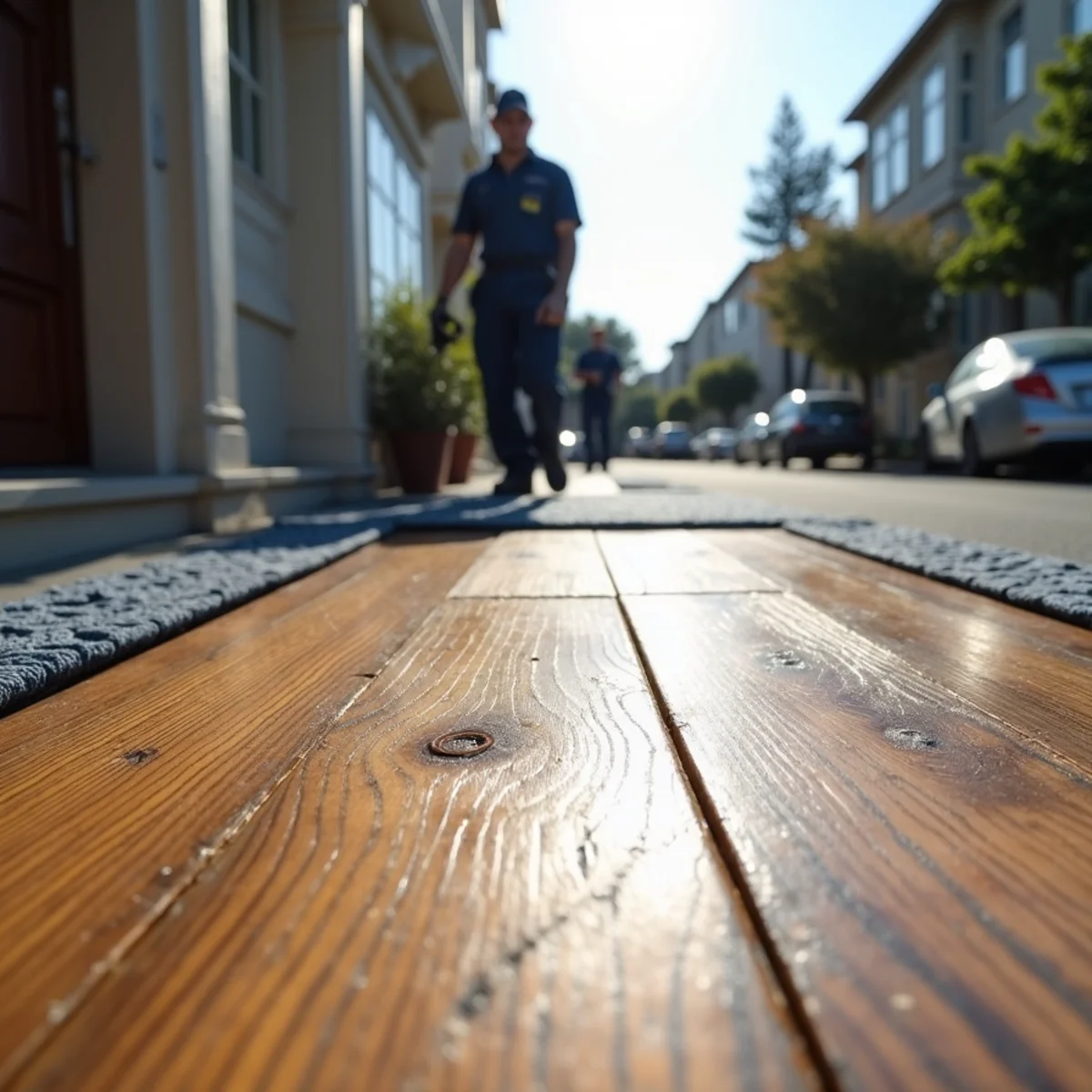
What the water touched — Tile and sealed concrete dry cheaply. Solid hardwood, plaster, engineered flooring over a slab and blown-in insulation are specialty drying or replacement.
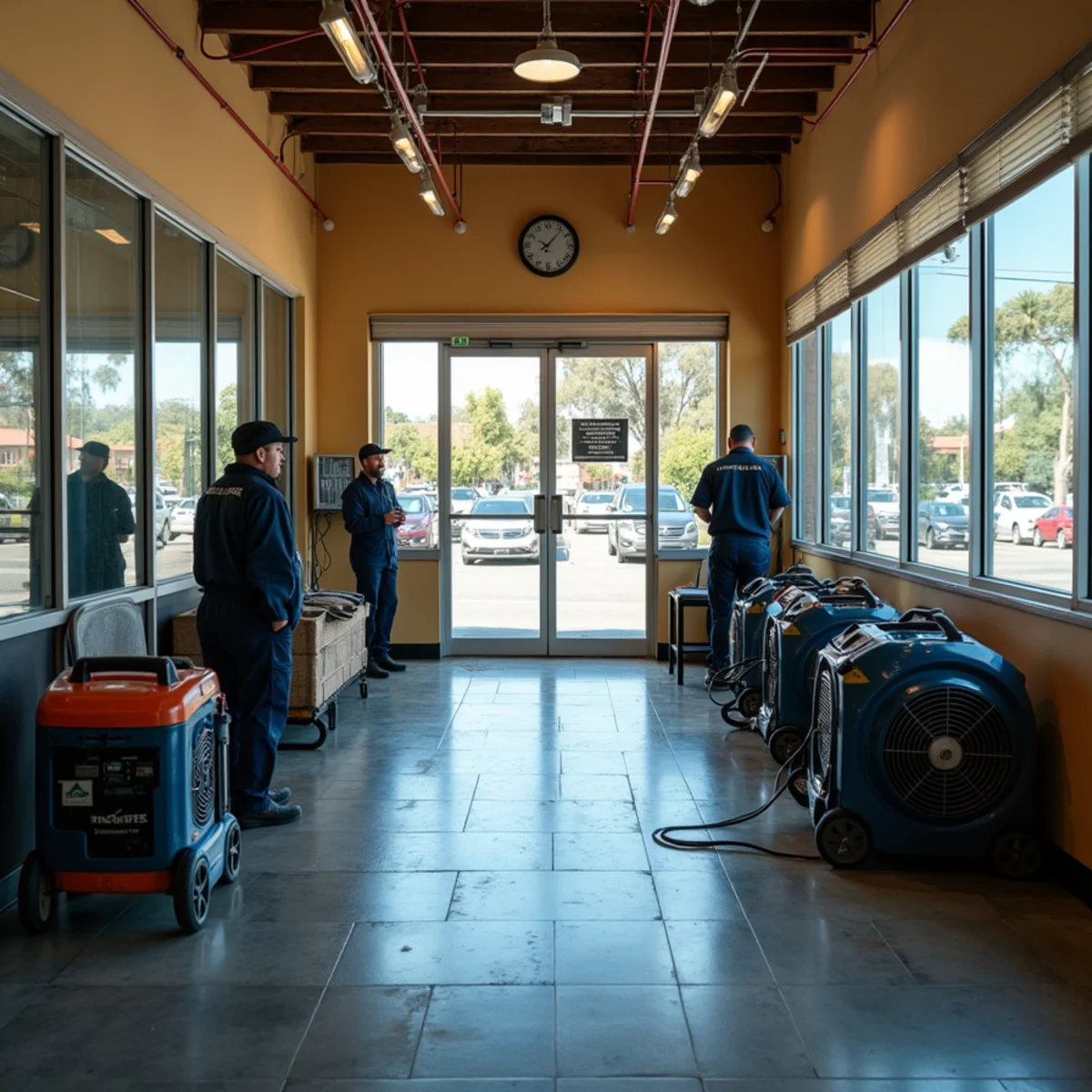
Equipment days — A typical dry-out runs 3 to 5 days. Concrete slabs, crawl spaces and hardwood run 7 to 10 or longer, especially in cool, damp Peninsula winter conditions.
Access — A ground floor with driveway access is the best case. A third-floor condo, a 30-inch crawl space or a hillside home with hand-carried equipment all add labour.
Whether reconstruction is needed — Mitigation and rebuild are separate scopes. Drywall replacement runs about $1 to $3 per square foot; hardwood replacement runs $10 to $15 depending on species and finish.
Damage classes: why two jobs of the same size cost differently
Alongside category, the industry classifies losses by class, which describes how much of the structure absorbed water. It explains why a 300 square foot bathroom flood can cost less than a 300 square foot bedroom flood.
Class 1 is a small area with minimal absorption — little or no wet carpet, mostly hard surfaces. Class 2 involves a large area with water wicked up walls under about 24 inches and moisture in structural materials. Class 3 means saturation from overhead: ceilings, walls, insulation and subfloor all wet. Class 4 is specialty drying — hardwood, plaster, concrete and other low-permeability materials with deep saturation, requiring longer schedules and specialised equipment.
A Class 4 job at the same square footage as a Class 1 job can easily cost several times as much, and the reason is drying time and equipment rather than anyone padding the bill.
How insurance changes what you actually pay
For most homeowners the meaningful number is not the total — it is the deductible.
Sudden and accidental water damage is covered by most California homeowners policies: a burst supply line, a failed water heater, an appliance hose letting go, a fire sprinkler discharge. In those cases you typically pay your deductible and the carrier covers the balance of covered work.
What is commonly excluded: gradual leaks and deferred maintenance, damage from a leak that was visible and left unaddressed, and rising water from outside the building — which requires separate flood insurance. Sewer and drain backup is often excluded too unless you carry a water backup endorsement, which is inexpensive and worth adding.
We bill carriers directly for covered work, so you are not floating the full amount and waiting on reimbursement. Our flood damage restoration page covers the flood-versus-homeowners distinction in more detail, because which policy responds is determined by where the water came from.
How to read a restoration estimate
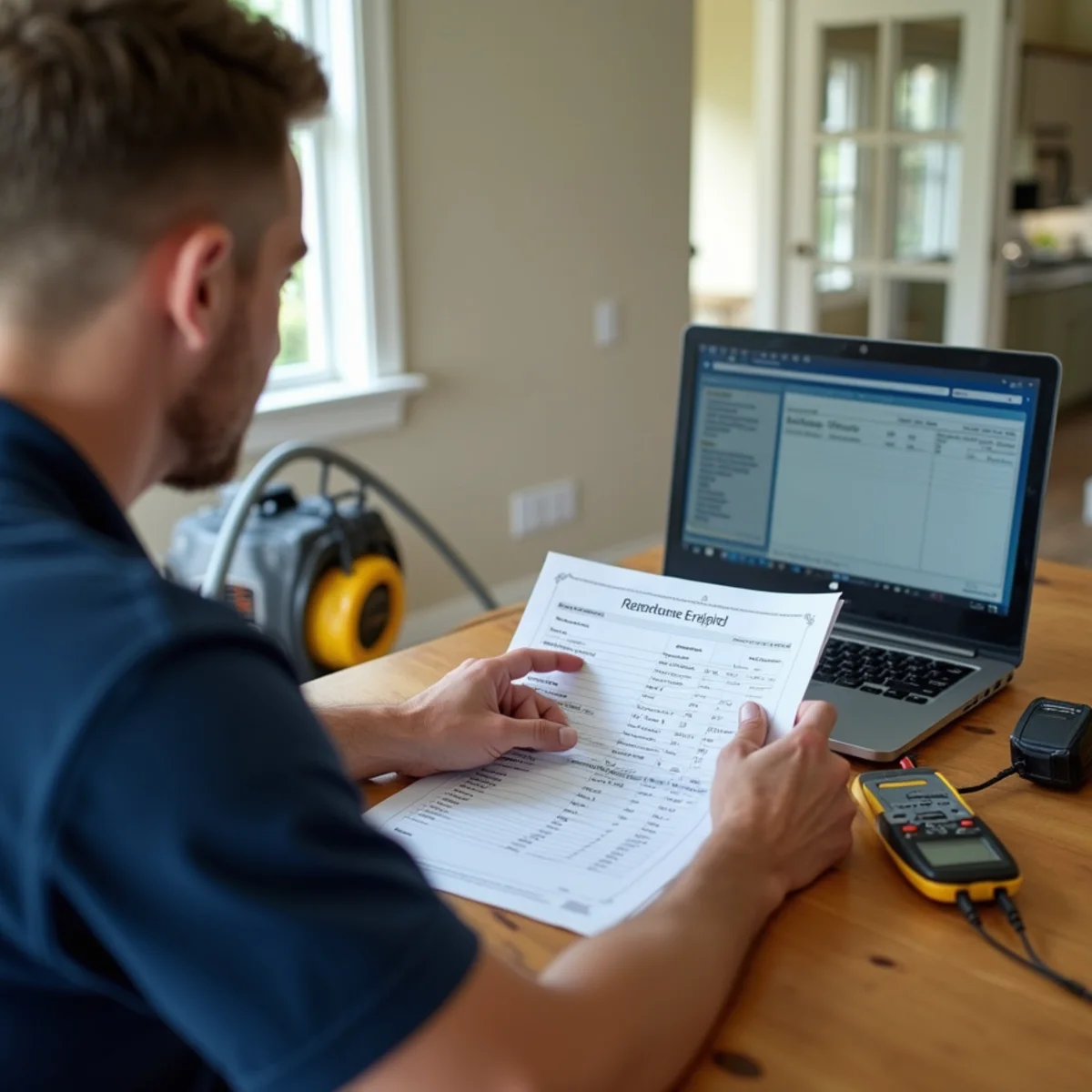
A legitimate estimate is itemised and specific. Here is what should be on it, and what should make you pause.
Green flag: affected square footage stated per room — With a moisture map or marked perimeter showing how it was determined.
Green flag: equipment listed by type, count and days — So many air movers, so many dehumidifiers, for so many days — not "drying equipment, lump sum".
Green flag: water category and class named explicitly — Because those determine the entire scope, they should appear on the paperwork.
Green flag: mitigation and reconstruction separated — Two scopes, two line-item sets, so you can see what is emergency work and what is rebuild.
Red flag: a price quoted before anyone checked for hidden moisture — Nobody can price a loss without meter readings. A number over the phone is a guess or a hook.
Red flag: pressure to sign an open-ended work authorisation — Read what you are authorising. A blank scope with "insurance proceeds" language is not an estimate.
Red flag: "we will waive your deductible" — That is insurance fraud, and it tells you what else the company is willing to do.
The cheapest way to reduce the cost
Call earlier. That is genuinely the answer, and it is not a sales line — it is arithmetic. Extraction in hour one prevents absorption; absorption is what turns a two-day job into a two-week job.
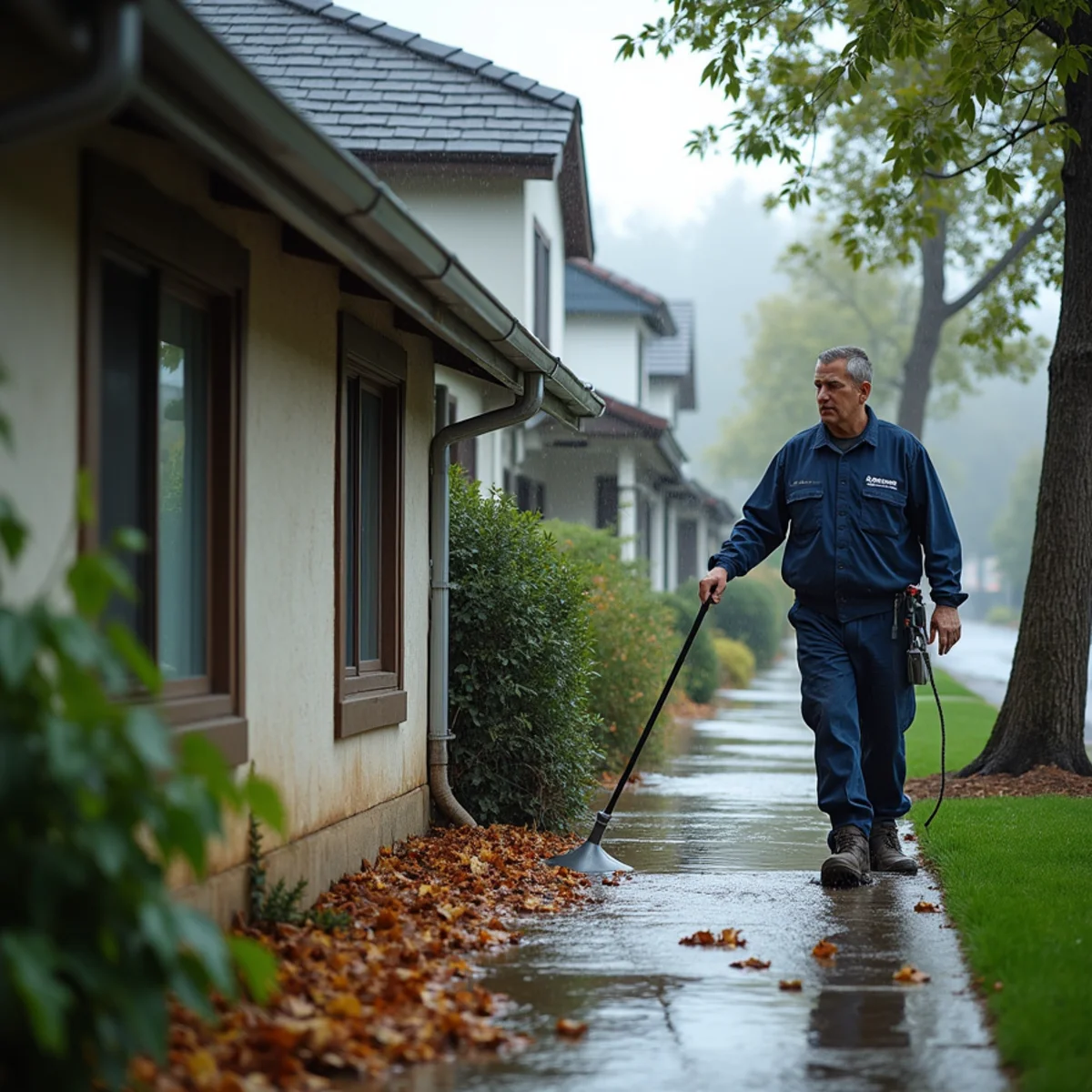
The second cheapest is prevention, and it costs very little. Braided stainless steel supply hoses on the washing machine and the ice maker. A water heater replaced at ten years rather than waited out. Leak sensors under the dishwasher, behind the fridge and at the water heater. Gutters and area drains cleared twice each winter. Our prevention checklist for Redwood City homeowners has the full list.
24/7 Emergency Response
Dealing with this in Redwood City right now?
We answer 24/7 and can usually be on site within the hour. Extraction, verified drying and the rebuild, documented for your insurer.
- IICRC-certified technicians
- Licensed, bonded & insured
- Direct insurance billing
- 24/7 live answer — no phone trees
550 Allerton St, Redwood City, CA 94063 · Emergency dispatch answered 24/7, including holidays