
Prevention·8 min read
Water Damage Prevention Checklist for Redwood City Homeowners
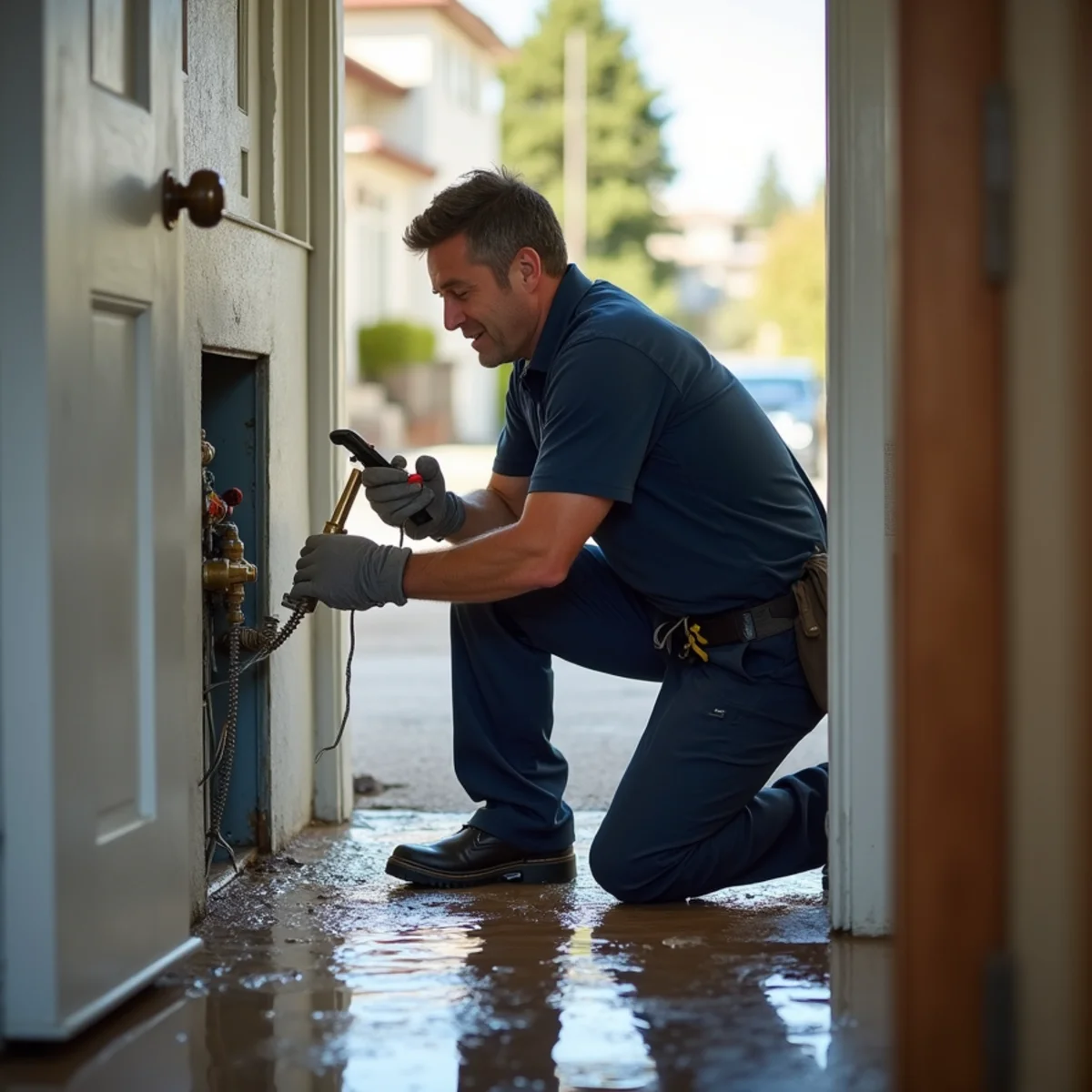
Most of the losses we respond to were preventable for under $200 and an afternoon. Here is the list, in order of return on effort.
Read the guide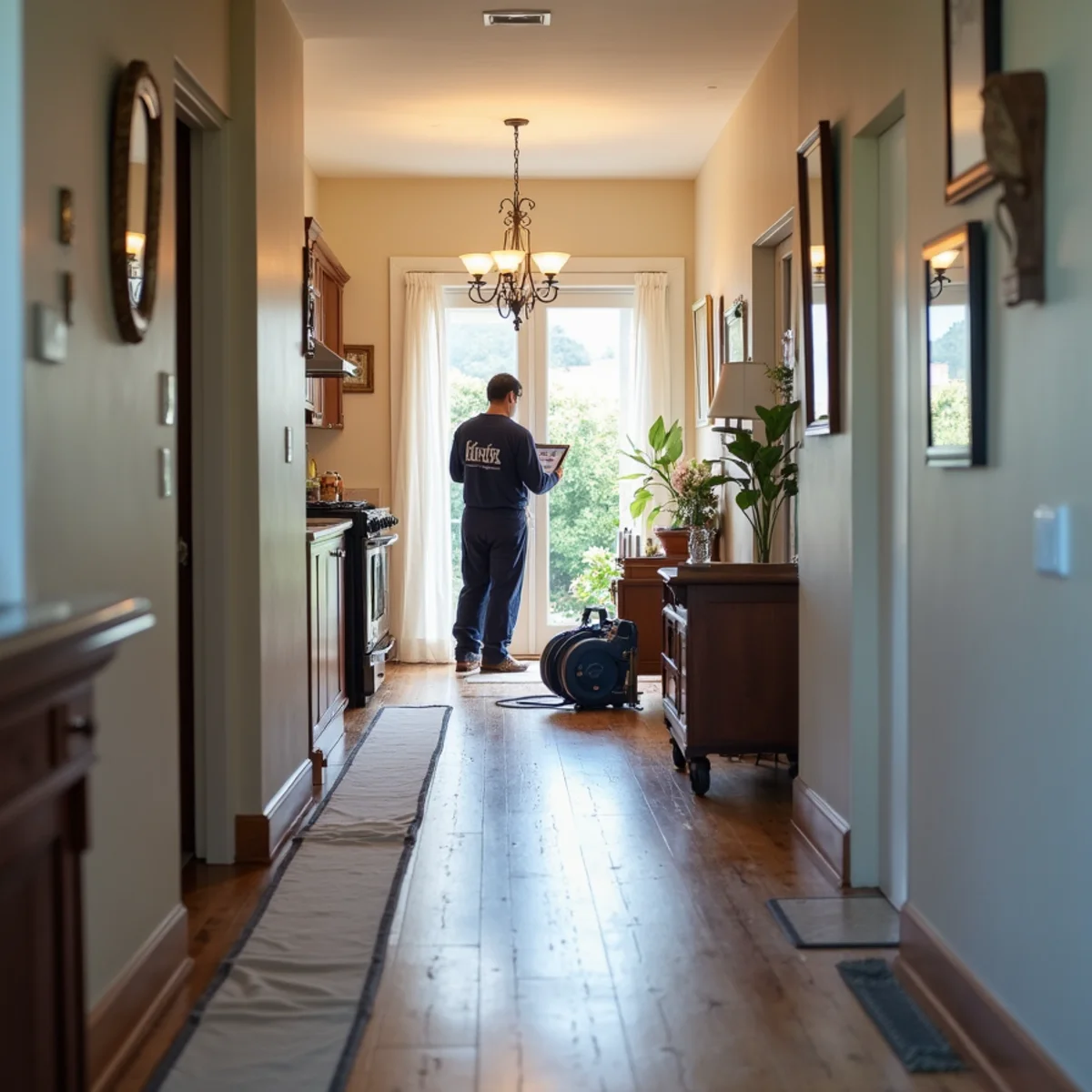
Restoration service · Redwood City, CA
When it is your house, the technical scope is only half the job. The other half is that your family still has to live there — children, pets, a work-from-home schedule, and a kitchen you need back by Thursday.
Answered by a person, 24/7 — crews on site within 60 minutes in Redwood City.
We run residential jobs with that in mind. Floor protection on the routes we walk, containment so drying equipment does not turn the whole house into a wind tunnel, honest answers about what can be saved, and a project manager who tells you what is happening tomorrow before you have to ask.
From a single bathroom overflow to a whole ground floor after a supply-line failure, the scope is the same: extract, dry with verified readings, treat, and rebuild to pre-loss condition. What changes is how much of your house has to be involved and for how long.
Water heater failure
Units last 8 to 12 years and a large share of local homes are past that. When a tank goes, 40 to 50 gallons hit finished flooring at once.
Supply line or slab leak in a mid-century home
Original galvanised and thin copper lines in the 1945–1965 housing stock west of El Camino Real fail from the inside out.
Washing machine or dishwasher hose burst
Almost always while the house is empty. A braided stainless replacement line is the cheapest prevention available.
Toilet supply or wax ring failure
Slow versions of this leak wet the subfloor and the ceiling below for weeks before anyone notices.
Roof or window intrusion during winter storms
Wind-driven rain finds flashing, skylight curbs and window heads that hold up fine in ordinary weather.
HVAC condensate overflow
An attic air handler with a clogged drain line drops water into the ceiling below during the first warm stretch of the year.
Our process
Step 1
Protect the house you still live in
Floor protection on walk routes, corner guards, contents blocked or moved to a dry area, and a clear plan for which rooms stay usable.
Step 2
Extract and remove what cannot be saved
Standing water out, wet pad and saturated material out. We show you the moisture readings behind each removal decision rather than asking you to take it on faith.
Step 3
Dry with the least disruption that works
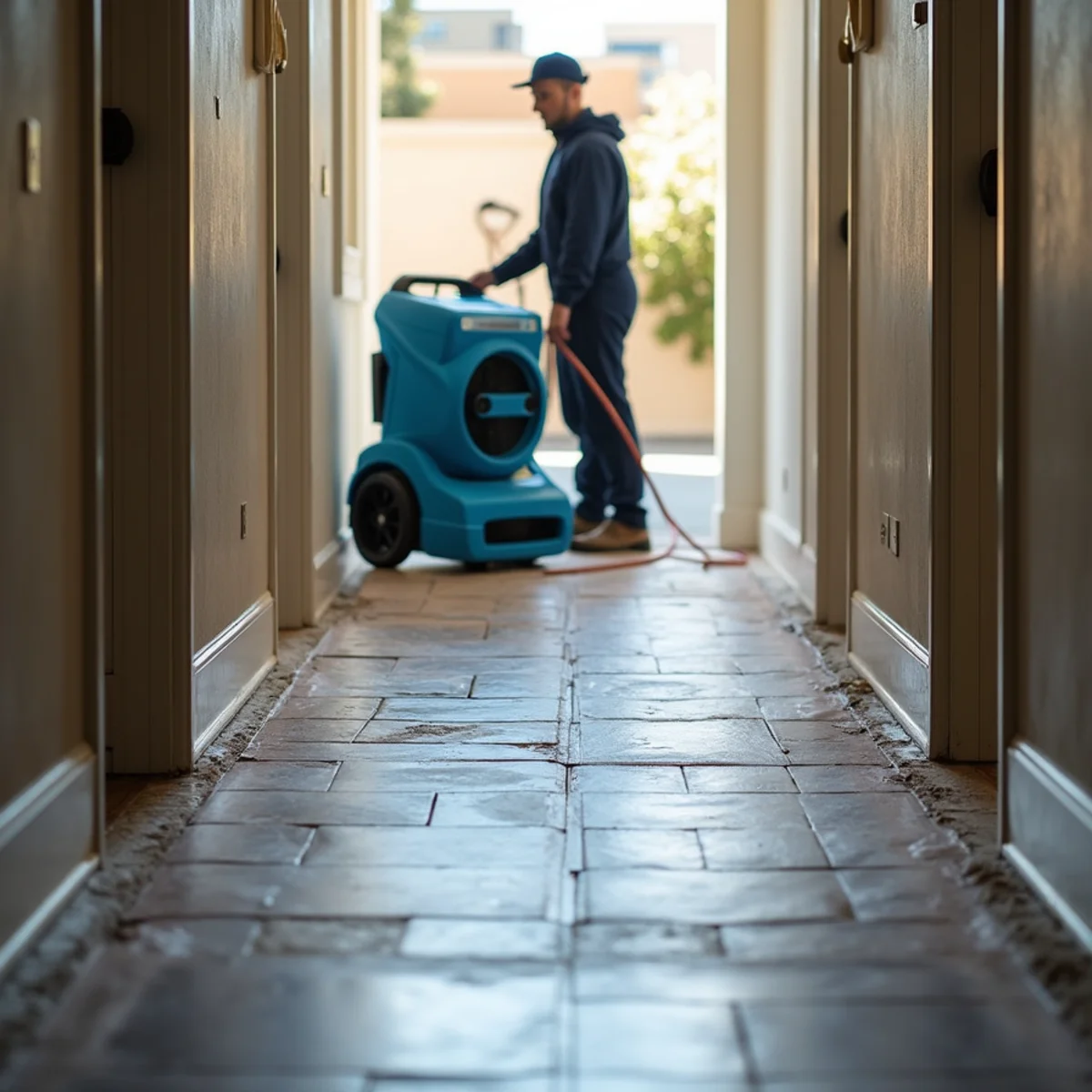
Equipment placed and contained to the affected zone, with quieter configurations in bedrooms overnight where the drying plan allows it.
Step 4
Daily updates in plain language
A monitoring visit each day with the readings, what changed, and what happens tomorrow. No jargon, no surprises on the invoice.
Step 5
Rebuild and walk it together
Drywall, texture, paint, trim, flooring and cabinetry, then a walkthrough where you sign off before we call the job finished.

24/7 Emergency Response
Tell us what you are seeing and we will tell you honestly whether it needs a crew, and what it is likely to involve. Emergency dispatch is answered 24/7.
550 Allerton St, Redwood City, CA 94063 · Emergency dispatch answered 24/7, including holidays
Homeowners deserve a straight answer on this rather than a sales pitch in either direction. Some contractors replace everything because replacement is more profitable. Others dry everything because it is faster. Neither is a standard.
The standard is material science plus water category plus elapsed time. Non-porous and semi-porous materials that were exposed to clean water for a short period are almost always saveable. Porous materials exposed to contaminated water are not, regardless of how they look.
Almost always saved — Solid wood framing, tile, sealed concrete, glass, metal, sealed cabinetry boxes, plaster in good condition.
Usually saved with clean water and fast response — Carpet face fibre with new pad, solid hardwood caught within 24–48 hours, drywall above the wick line, hollow-core doors.
Usually replaced — Carpet pad, laminate, engineered wood over a slab, MDF baseboard and trim, particle-board cabinet bases, wet batt insulation.
Always replaced after Category 3 — Any porous material below the water line — carpet, pad, drywall, insulation, upholstered furniture.
Most families stay, and with reasonable planning that works. Here is what to actually expect so nothing catches you out.
Noise is the main thing. Air movers run continuously and dehumidifiers cycle; it is comparable to a box fan in each affected room, running day and night. Rooms with equipment get warm and dry, which is the point — the equipment is turning moisture in your walls into moisture in the air and then removing it.
Electricity usage goes up noticeably for the drying period. That is normal and worth mentioning to your adjuster, since some policies address it. We also stagger circuits deliberately so we do not trip breakers in an older home with limited panel capacity.
And please do not turn the equipment off at night. It happens often, understandably, and it adds days to the drying schedule. If a machine is genuinely intolerable in a bedroom, tell us and we will re-plan the room instead.
Keep windows and exterior doors closed — Open windows fight the dehumidifiers by letting humid outside air back in — especially during marine layer mornings.
Leave interior doors as we set them — Airflow paths are deliberate. Closing a door can strand a wet cavity.
Keep pets and children away from equipment — Cords, intakes and hot exhaust. We can add guards where needed.
Tell us your schedule — We work around remote-work calls, nap times and school runs when we know about them in advance.
We are based on Allerton Street, in the same city as most of our work. That is not sentiment — it changes the service in ways you can check.
Response time is real rather than aspirational, because the truck is genuinely nearby rather than being dispatched from a call centre in another state. The crew knows the housing stock: which streets are on 1950s slab, where the creek branches run, which neighbourhoods have the aging galvanised lines. And accountability is direct, because we live here and we will be here for the next call on your street.
Honest pricing
We publish ranges rather than hiding them behind a form. Mitigation runs $3 – $7.50 per square foot depending on water category, and most complete jobs land between $1,384 and $6,387. You get an itemised written estimate after inspection — never a firm number before anyone has checked for hidden moisture.
Why us for this
Restoration gets bought in a hurry, usually from whoever answers first. These are the things worth checking before you hand anyone a key — and what we put in writing on every residential job.
Floor protection on the walk routes, contents blocked and moved, containment so the whole home is not a wind tunnel, and quieter equipment configurations in bedrooms where the drying plan allows it.
You see the readings behind every removal. Solid hardwood caught early goes on a mat system rather than into a skip; particle-board cabinet bases that have already delaminated do not get dried for a week with no realistic outcome.
One monitoring visit a day with the numbers, what changed and what happens tomorrow. No jargon, and no surprises appearing on the final invoice.
We work in the city we are based in. The crew knows which streets sit on 1950s slab, and we will be back on your street for the next call — which is a different kind of accountability from a franchise dispatched from another county.
Honest pricing
Mitigation is priced per square foot by water category. Reconstruction is quoted separately, and you get an itemised written estimate after inspection rather than a number over the phone.
| Water category | Typical source | Health risk | Mitigation cost |
|---|---|---|---|
| Category 1 — clean water | Broken supply lines, sink and tub overflows, clean appliance leaks | Low risk if dried quickly | $3 – $4 / sq ft |
| Category 2 — gray water | Washing machine or dishwasher discharge, urine-only toilet overflow, sump failure | Moderate — bacteria present, can cause illness | $4 – $7 / sq ft |
| Category 3 — black water | Sewage backup, storm floodwater, toilet overflow with solids, microbial growth | High — pathogens; PPE and containment required | $7 – $7.50 / sq ft |
Insurance
We bill your carrier directly for covered work, so you are not floating the cost and waiting on reimbursement. You do not need to wait for an adjuster before emergency mitigation starts — policies expect you to take reasonable steps to limit the damage.
Sudden and accidental damage — a burst supply line, a failed water heater, an appliance hose — is covered by most California policies. Gradual leaks and deferred maintenance often are not, rising water from outside needs separate flood insurance, and sewer backup usually needs its own endorsement.
Nobody can promise what your carrier will decide. What we can promise is that the loss is documented well enough for that decision to be made on the facts.
California coverage explainedResidential in Redwood City? A person answers 24/7 and gives you shut-off instructions while the crew is on the way.
+1 (201) 277-9344Prevention·8 min read
Most of the losses we respond to were preventable for under $200 and an afternoon. Here is the list, in order of return on effort.
Read the guideEmergency guides·7 min read
The first sixty minutes decide how much of your house ends up in a dumpster. Here is exactly what to do, in order, and what to avoid.
Read the guideReviewed by Water Damage Redwood City — checked by our IICRC-certified project managers.
Last reviewed
Where we provide this service
We cover Redwood City and the surrounding Peninsula. Local conditions change the plan — bayfill slabs dry slowly, hillside runoff is contaminated, and pre-1960 housing hides leaks under concrete — so pick your area for specifics.
FAQ
Usually yes. Equipment is noisy and affected rooms will feel warm and dry, but most families stay. We contain the work zone, keep bedrooms usable wherever the drying plan allows, and tell you plainly if a Category 3 loss or heavy demolition makes staying a bad idea.
Yes. We block furniture up off wet flooring, move contents out of the work zone to a dry area of the house, and pack out to storage when a room needs to be cleared completely. Contents handling is quoted as its own line item so you can see exactly what it costs.
By the numbers, not by feel. We take readings at the same marked locations every day — drywall, framing, subfloor and slab — and drying is complete when those materials hold at dry standard, typically after 3 to 5 days. You get the full log, and repairs do not start before it says the structure is ready.
Both. Drywall, texture, paint, baseboard, flooring and cabinetry are all in house, which is why our moisture documentation and our repair estimate agree with each other. You are not left with a dry house and a list of contractors to chase.
Contents in the work zone are blocked up off wet flooring, moved to a dry part of the house, or packed out to storage when a room has to be cleared completely. Everything moved is inventoried and photographed, which matters both for your peace of mind and for the contents portion of a claim. Contents handling is quoted as its own line item so you can see exactly what it costs rather than finding it buried in a lump sum.
24/7 Emergency Response
A person answers 24/7 and gives you shut-off and safety instructions while a crew is already on the way. Emergency mitigation is loss-limiting work your policy expects you to start immediately.
550 Allerton St, Redwood City, CA 94063 · Emergency dispatch answered 24/7, including holidays