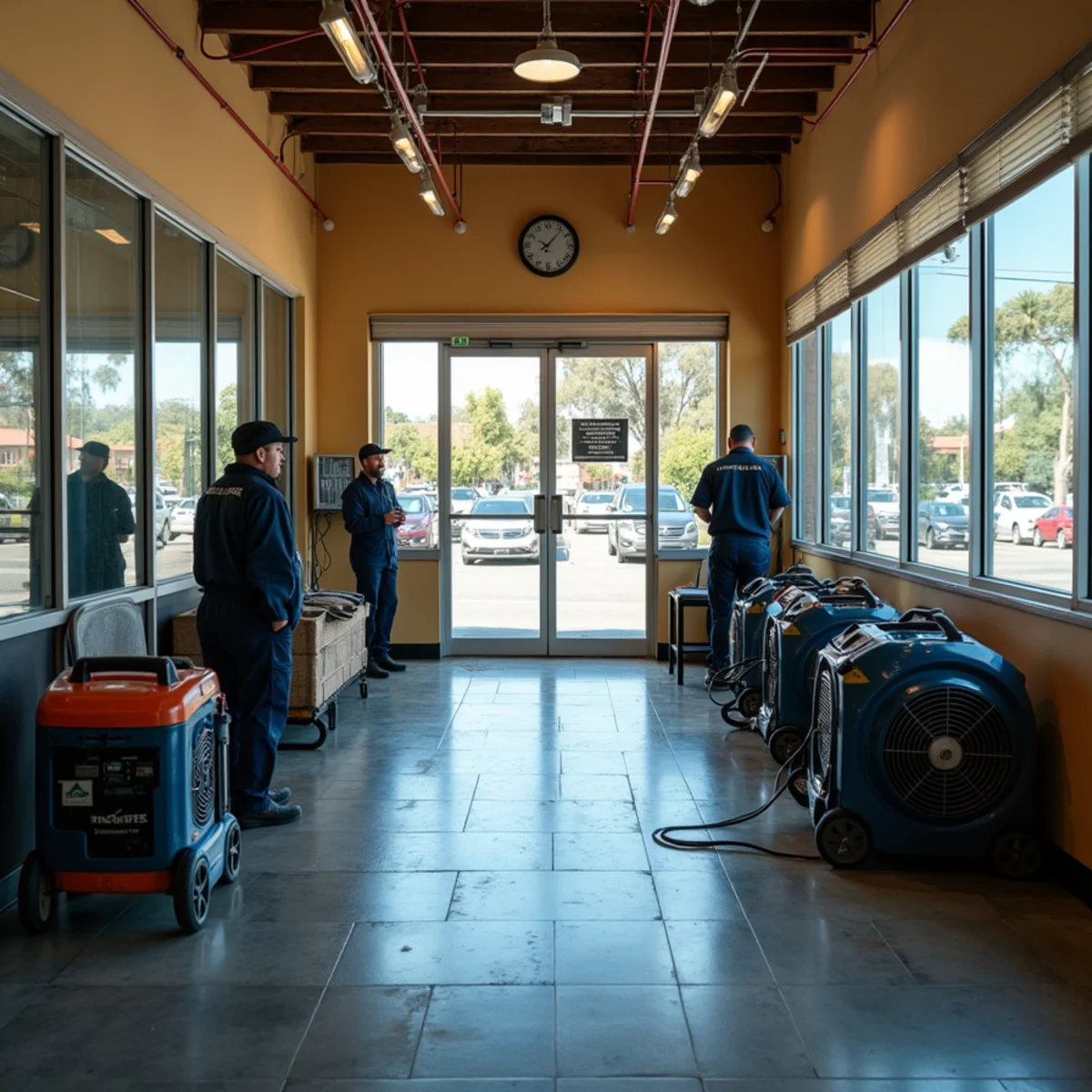
Prevention
Peninsula Rainstorms: Preparing Your Home for Water Damage
Almost every storm call we take traces to something that would have been a cheap fix in September. Here is that list.

What an atmospheric river actually does
An atmospheric river is a narrow corridor of concentrated water vapour that stalls against the coastal ranges and rains itself out over a day or two. For San Mateo County that means several inches in a short window, warm rain at surprisingly high elevations, and wind from the south-east — the direction most local roofs and window details are least prepared for.
The wind is the part people underestimate. Sustained wind drives rain horizontally and pushes water up under laps and flashings that handle vertical rain perfectly well. That is why the same roof that has been fine for fifteen years leaks in a specific storm and then stops.
The other defining feature is sequence. These systems arrive in trains, sometimes two or three in a week. The first saturates the soil and fills the drainage network. The second arrives with nowhere for water to go, so runoff moves across the surface, hillsides start moving and creeks rise fast. By the third, roofs that were merely marginal are actively leaking.
Know your exposure
Storm risk on the Peninsula is not uniform, and the right preparation depends on which version you have.
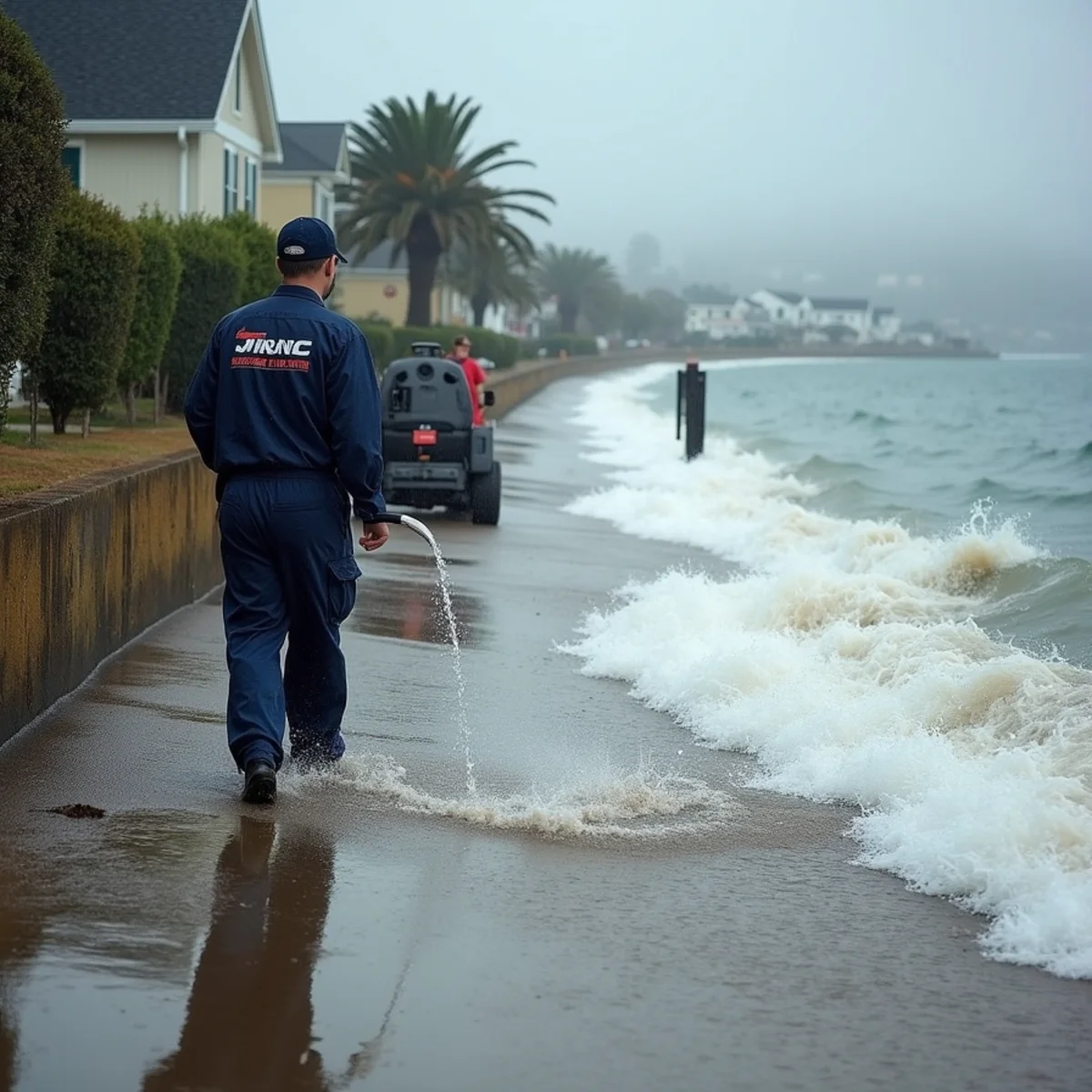
Bayfront and bayfill — Redwood Shores, Foster City, the Seaport
At or near sea level behind levees and tide gates. Peak risk is a king tide coinciding with heavy rain, when drainage cannot discharge. Slabs also dry slowly here, so any intrusion has a longer tail.

Creek corridors — Redwood Creek branches, San Francisquito Creek
Fast-rising water in neighbourhoods that do not feel like flood zones. Mount Carmel and the Menlo Park–Palo Alto boundary areas are the local examples.
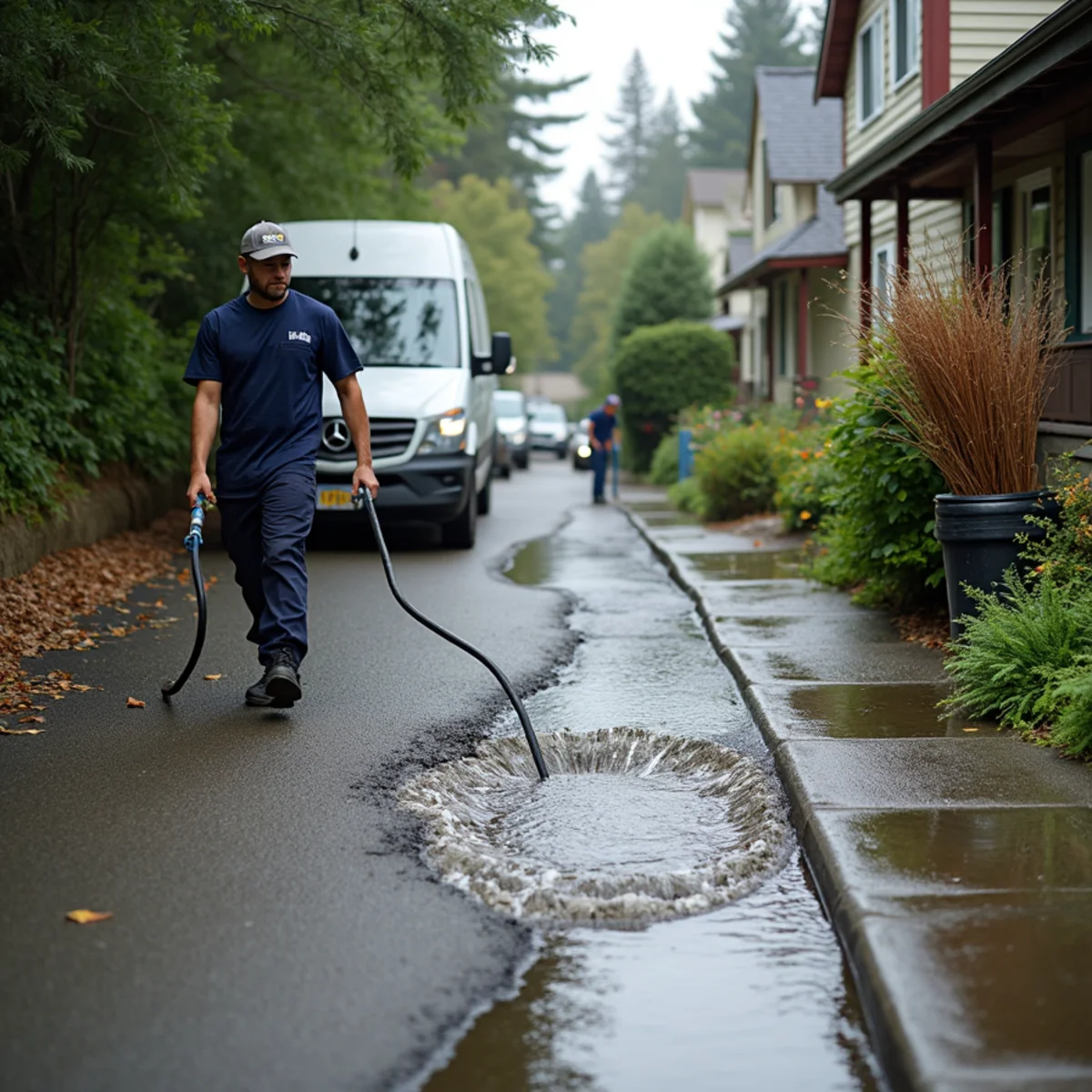
Hillsides — Farm Hill, Emerald Lake Hills, Woodside, Portola Valley
Sheet runoff into garages, lightwells and lower levels; saturated soil bringing down trees; slide risk in the La Honda and Skyline corridor.
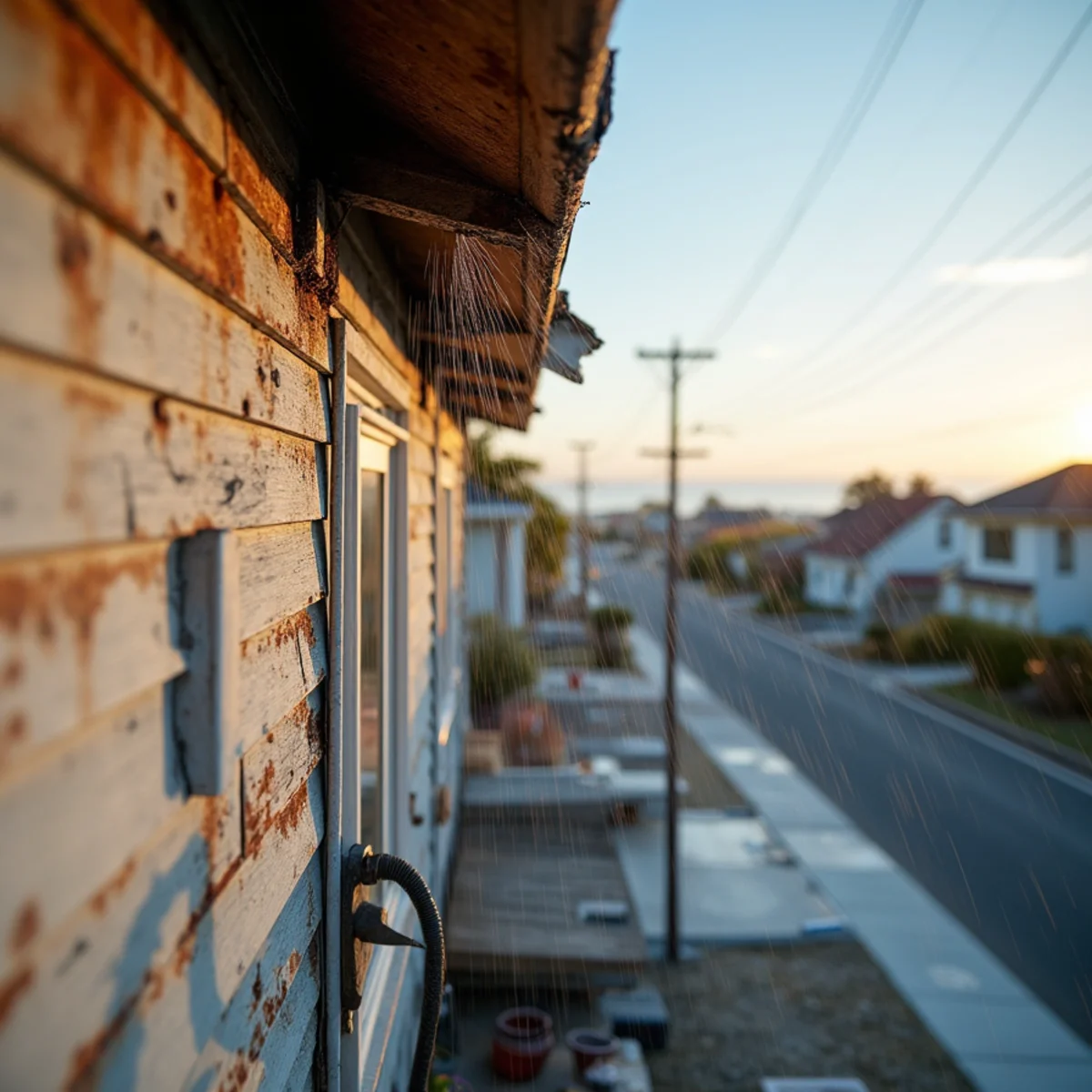
Coastside — Pacifica, Montara, Moss Beach, El Granada, Half Moon Bay
Direct ocean exposure with salt-accelerated corrosion of the flashings and fasteners that keep water out.

The flats and downtown
Older housing, aging laterals that back up under storm inflow, and low points along major roads that pond during heavy cells.
The September checklist
Do this before the first system. Every item on this list is something we have been called out for in January.
Clear gutters, downspouts and roof valleys — And plan to do it again mid-season on tree-heavy streets. A blocked valley is the most common roof leak we find in Farm Hill, Emerald Lake Hills and around Edgewood Park.
Extend downspout discharge — Four to six feet clear of the foundation, or piped to daylight. A downspout dumping at the wall undoes every other drainage measure.
Replace cracked plumbing vent boots — The rubber collar splits after roughly ten to fifteen years of UV. Cheapest high-value roof repair available.
Inspect flashing at chimneys, skylights and wall penetrations — Look for lifted counter-flashing and dried-out sealant. These are the details wind-driven rain finds.
Clear area drains and lightwells — A leaf-blocked driveway drain aims the entire driveway at your garage door.
Test the sump pump and add a battery backup — Pour a bucket in the pit; check float, check valve and discharge. Power fails during storms — exactly when the pump matters.
Check the grade around the foundation — Soil should fall about six inches over the first ten feet away from the house.
Trim trees back from the roof and structures — Before the ground softens. Saturated soil plus wind is when limbs and whole trees come down.
Photograph the property in good condition — A dated set of exterior and roof photos makes any storm claim dramatically easier to substantiate.
Locate and label your shut-offs — Water main, gas, electrical panel. Found and labelled now, not by flashlight in the rain.
During a storm
Walk the perimeter in the rain — Five minutes of watching where water actually goes teaches more than an hour of dry-weather inspection. Look for ponding at the foundation, overflowing gutters and drains that cannot keep up.
Check the attic with a flashlight after the first heavy night — Damp or compressed insulation and dark tracks on the sheathing mark entry points precisely. Finding a leak while it is active is by far the easiest time to trace it.
Check the crawl space — Standing water under the house drives humidity up through the floor for months afterwards.
Do not go on the roof — Wet composition shingles are extremely slick. A fall is a far worse outcome than a wet ceiling.
If water gets in, act the same day — Storm water is contaminated, so porous material it touched needs removal rather than drying — and the next system is usually days away, not weeks.
The mistake almost everyone makes
Storm water arrives during the rain and stops when the rain does, which makes it feel less serious than a burst pipe. That perception is the single most expensive mistake in a Peninsula winter.
Here is the pattern we see repeatedly. Water comes into a garage or a lower level, the homeowner squeegees it out, and by Tuesday the slab looks dry. Nobody checks the bottom plate, the base of the drywall or the insulation the water sat against for four hours. Three weeks later there is a musty smell in the adjoining room, and now it is a mold job.
Storm water is also Category 3 — it has picked up soil, road runoff, fertiliser and sometimes sewage from overwhelmed lines. Porous materials it touched should be removed, not dried, and surfaces need antimicrobial treatment. Our storm damage restoration page covers the full scope.
The rule of thumb: if it was more than a damp patch, get readings taken.
Insurance before the season, not during it
Two things to sort out in September.
First, flood coverage. Rising surface water is excluded from standard homeowners policies, and NFIP policies typically carry a 30-day waiting period — so buying when a storm is forecast does not work. If you are on bayfill, near a creek corridor or in a low-lying area, price it.
Second, the water backup endorsement. Sewer and drain backup is commonly excluded without it, and storm inflow overwhelming older laterals is one of the most frequent winter losses in this county. It is usually inexpensive.
Worth knowing for the claim itself: wind damage and rain entering through a storm-created opening are generally covered, and emergency tarping and board-up are covered as loss-limiting mitigation. Surface flooding is not. A single storm often produces both, which is why we document each entry point separately.
24/7 Emergency Response
Dealing with this in Redwood City right now?
We answer 24/7 and can usually be on site within the hour. Extraction, verified drying and the rebuild, documented for your insurer.
- IICRC-certified technicians
- Licensed, bonded & insured
- Direct insurance billing
- 24/7 live answer — no phone trees
550 Allerton St, Redwood City, CA 94063 · Emergency dispatch answered 24/7, including holidays