Emergency guides
What to Do Immediately After Water Damage in Your Redwood City Home
The first sixty minutes decide how much of your house ends up in a dumpster. Here is exactly what to do, in order, and what to avoid.
Start here: three actions in the first five minutes
If water is moving through your home right now, stop reading after this section and do these three things.
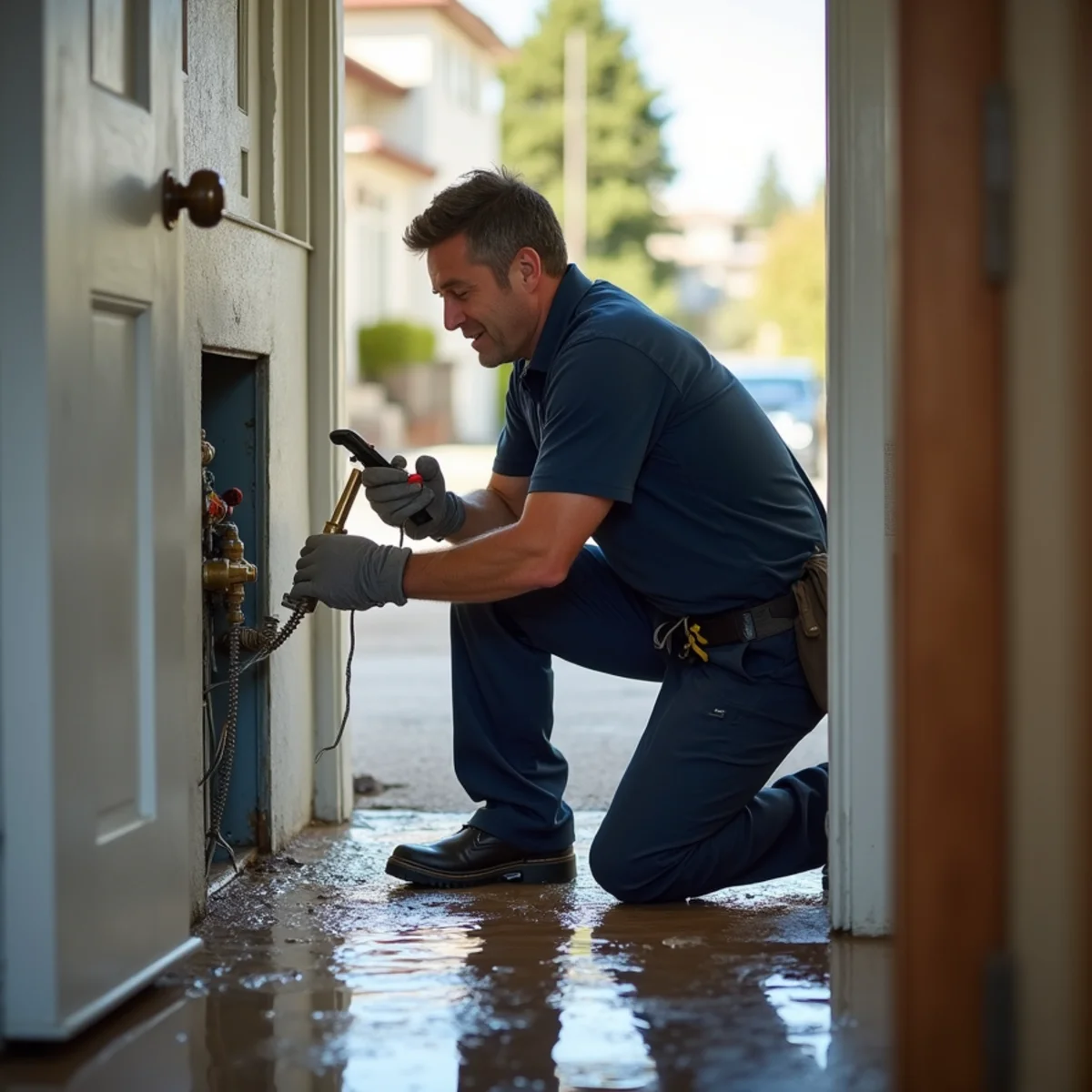
Shut off the water. Your main valve is usually where the supply enters the house — often in the front garden near the street, in a garage, or in a utility closet. On a water heater failure, close the cold inlet valve on top of the tank instead. If a single fixture is the source and you can reach its supply stop, that is faster.
Cut the power to the affected area at the breaker panel. Never reach for a panel or an outlet while standing in water. If you cannot get to the panel dry, leave it and wait outside for a crew.
Then call for help. We answer 24/7 and can be at most Redwood City addresses within the hour, and we will give you instructions on the phone while the truck is already moving.
Why the first hour genuinely matters
Water damage is not a fixed amount of damage. It grows, and it grows on a schedule.
In the first hour, water is mostly still sitting on surfaces where it can be extracted mechanically. Extraction is roughly hundreds of times more efficient than evaporation, so every gallon pulled out with a wand in hour one is a gallon your drying equipment does not have to convert into vapour over the following days.
By hour six, water has wicked up drywall, run along the top of the subfloor, and soaked into carpet pad and insulation. Now you are drying materials rather than removing water.
Somewhere between 24 and 48 hours, mold begins colonising damp organic material — drywall paper, wood framing, carpet backing, insulation. That single threshold is the difference between a mitigation job and a remediation job, and it is usually the difference between a straightforward insurance claim and a contested one.
Photograph everything before you move anything
This is the step people skip and later regret. Your insurance claim runs on the evidence you collect in the first hour, and once cleanup begins that evidence is gone.
Wide shots of every affected room — From the doorway, showing the full extent of the water. Take these before you move furniture.
The source — The failed pipe, the appliance, the ceiling drip, the water heater. Close enough to see what failed.
Water depth against a fixed reference — A baseboard, a door jamb, a cabinet toe-kick. This establishes how high the water stood.
Contents that got wet — Furniture, rugs, electronics, boxes, clothing. Individually where the items are valuable.
A video walkthrough — Sixty seconds of narrated video is worth a great many photos and takes far less effort while you are stressed.
The time you discovered it — Write it down. Carriers ask, and "sometime Saturday" is a weaker answer than "7:40 a.m. Saturday".
What to do while you wait for the crew
Lift what you can save — Get rugs, electronics, paper, photographs and anything fabric off the floor and out of the room.
Block furniture legs — Aluminium foil or plastic blocks under wooden legs stops stain bleeding into carpet — a permanent kind of damage that is easy to prevent.
Open interior doors and cabinets — Air circulation helps, and open cabinet doors let a wet cabinet base start venting.
Mop or towel standing water on hard floors if it is clean water — Only if it is clean supply water, only on hard surfaces, and only if it is safe. Do not attempt this with sewage or storm water.
Keep children and pets out — Slip hazards, unknown contamination, and possible energised circuits.
What not to do — the five most expensive mistakes
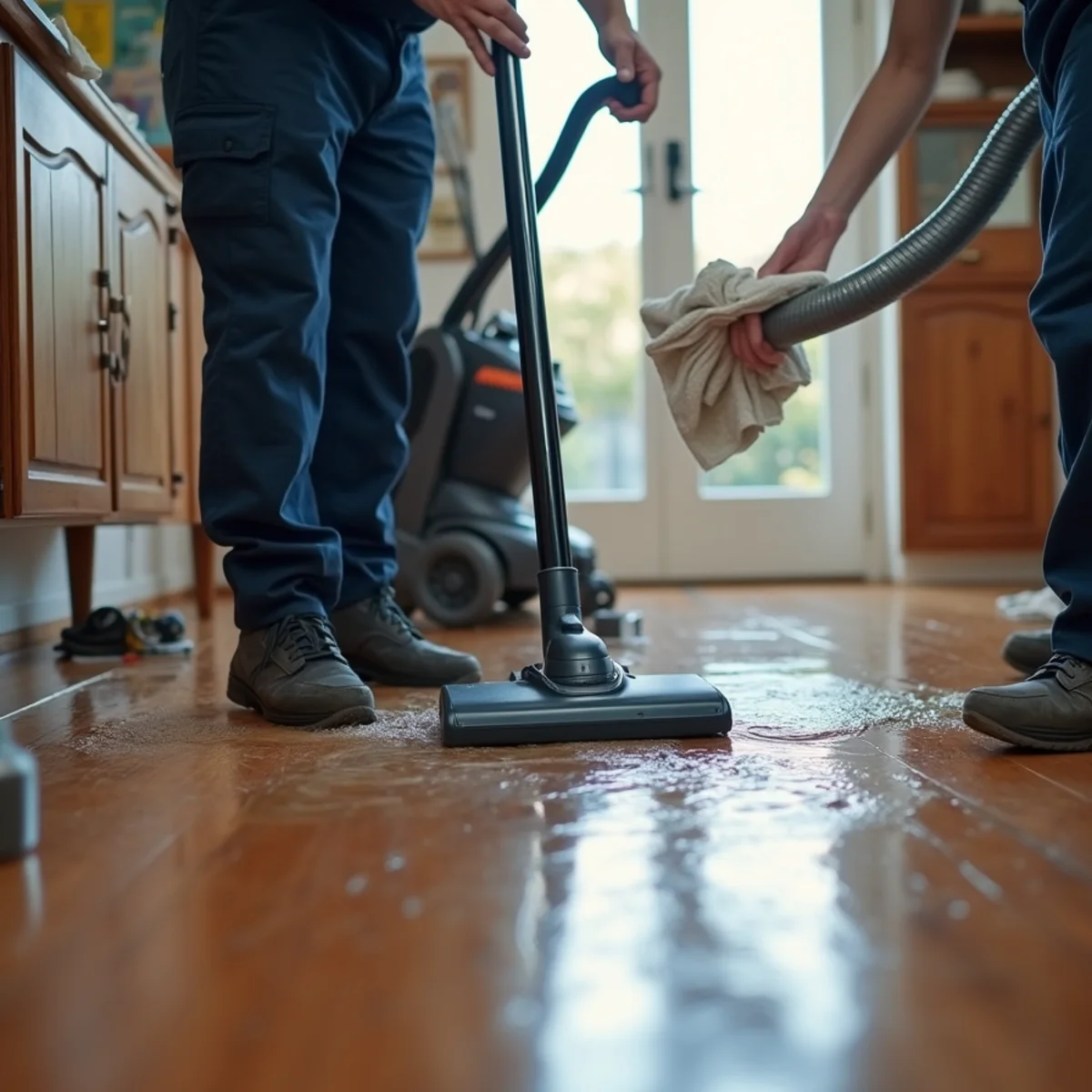
Do not use a household vacuum
A domestic vacuum on water is an electrocution risk, and a shop vac lacks the lift to pull water out of pad or from under a floating floor. You will get a dry-feeling surface over a wet assembly.
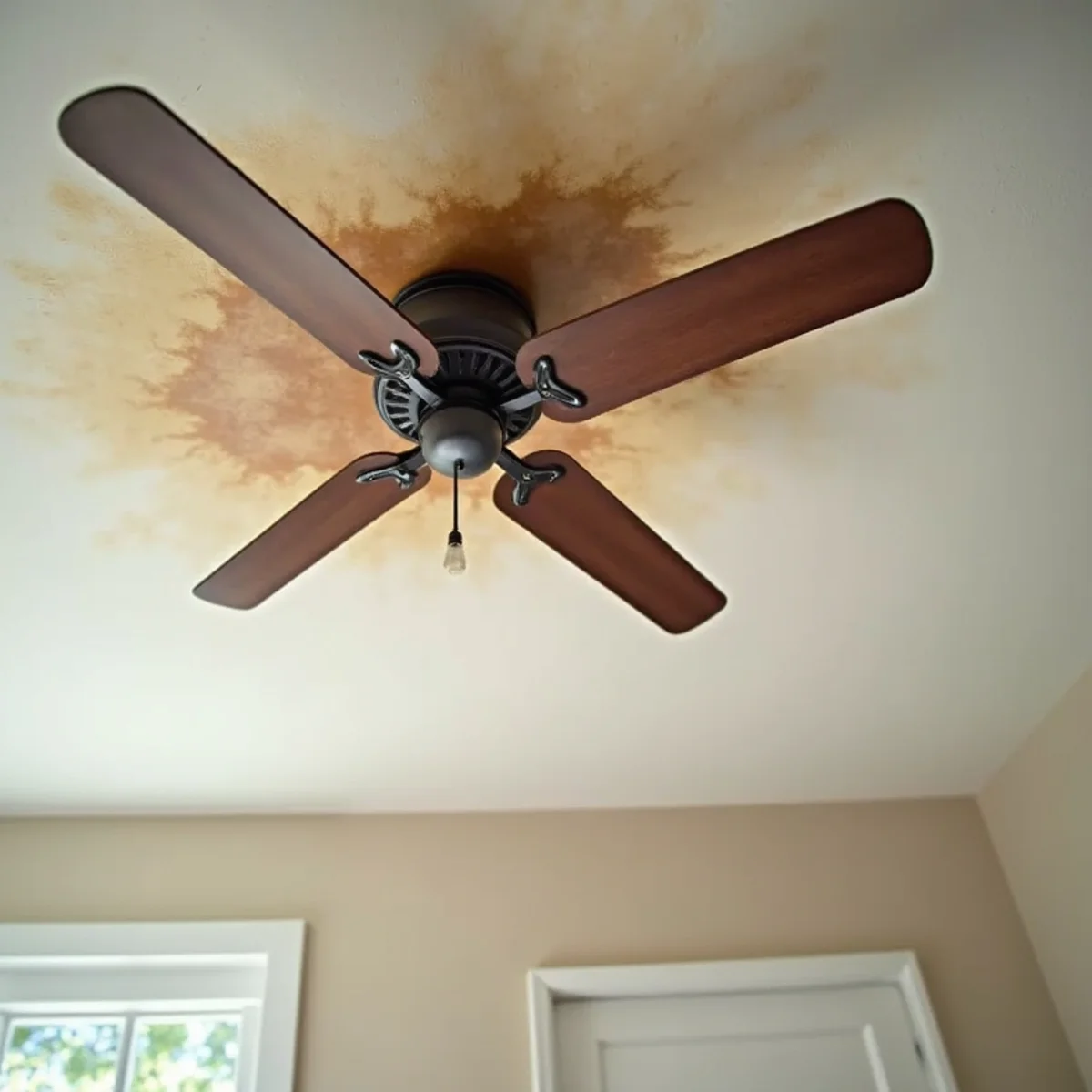
Do not run ceiling fans under a wet ceiling
You will aerosolise whatever is in that water and add load to a fixture whose electrical connection may already be compromised.
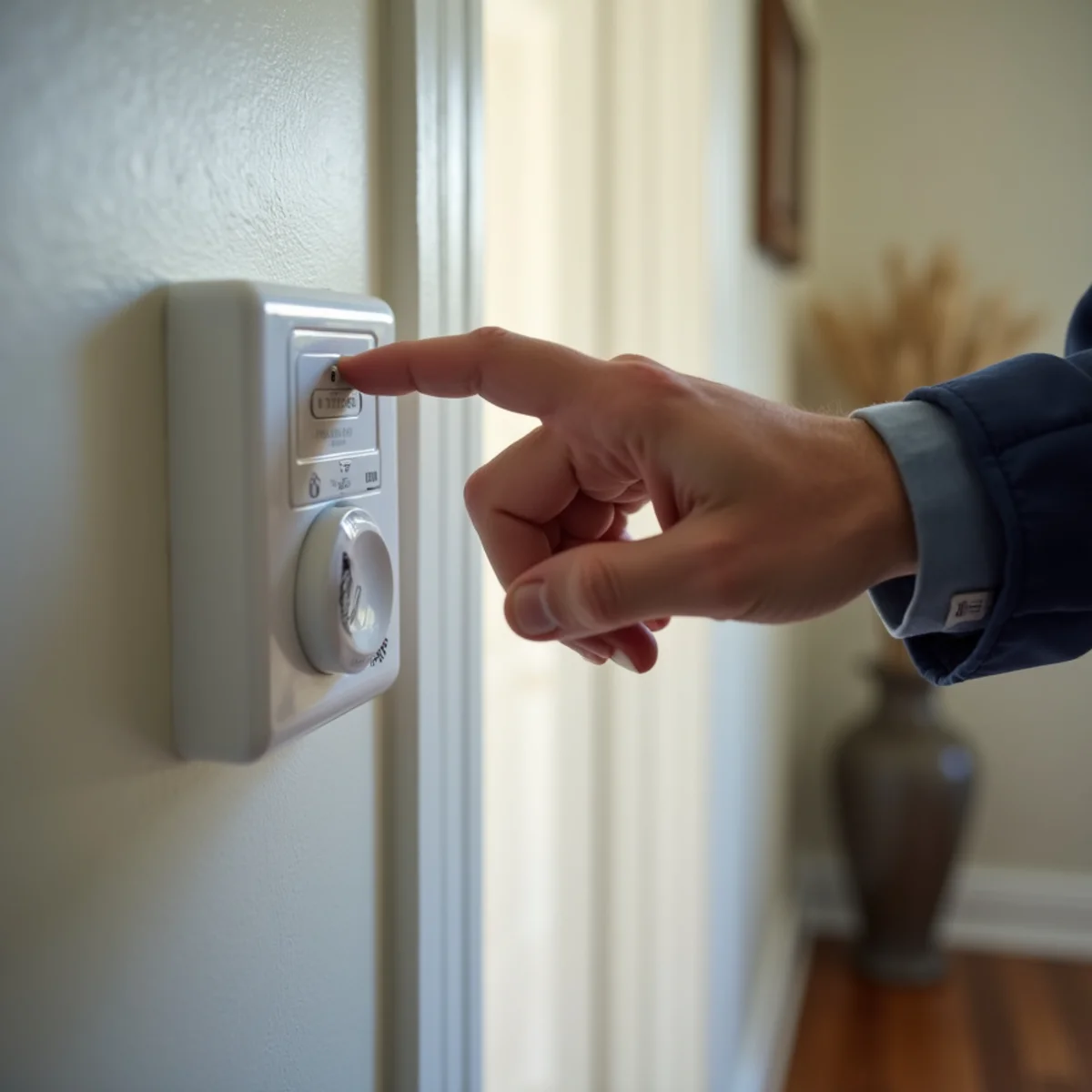
Do not turn on the HVAC
If water reached ducts or the air handler, running the system distributes contamination and moisture through the whole house.

Do not throw damaged items out yet
Photograph and set aside instead. Adjusters routinely ask to see what was discarded, and unphotographed disposals get denied.
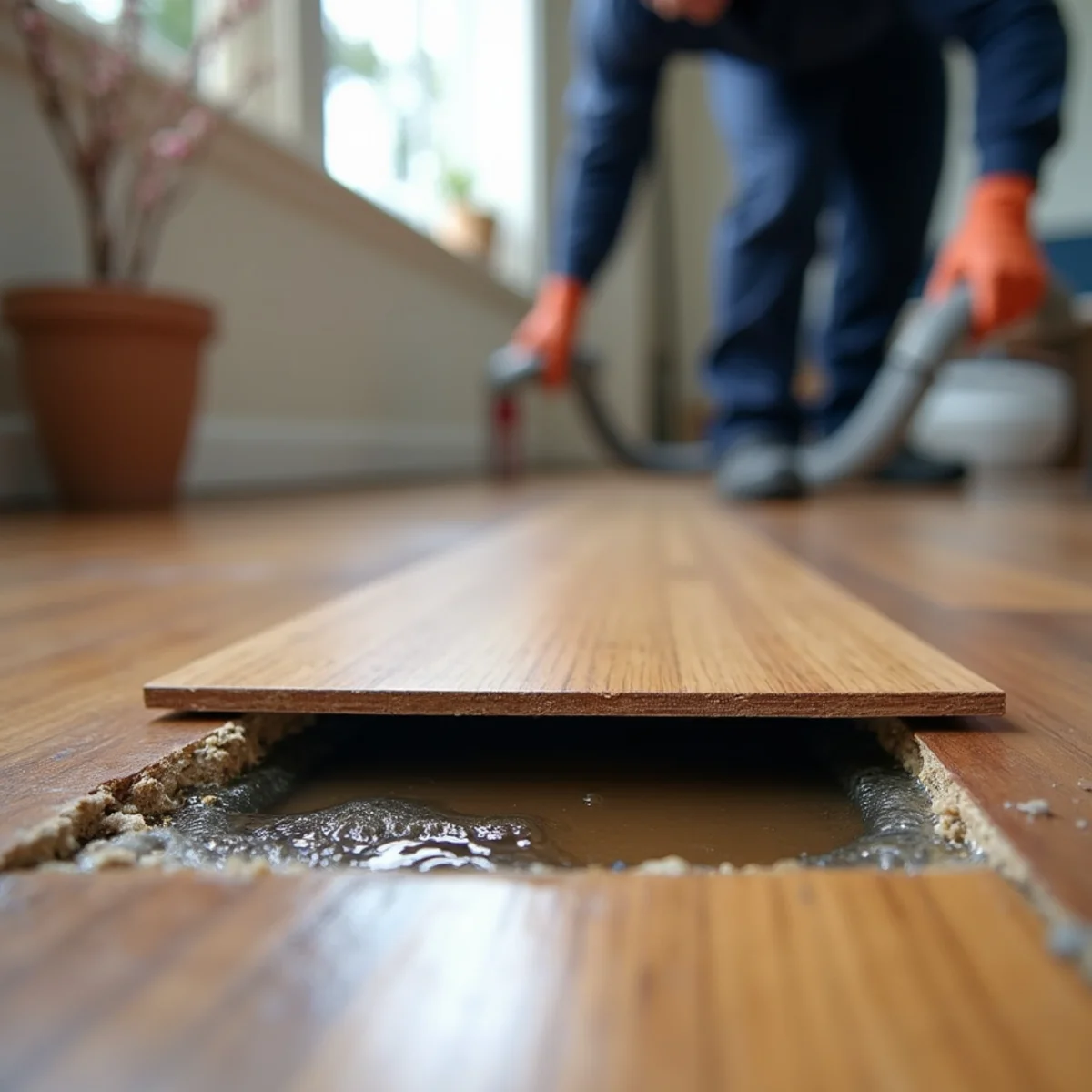
Do not wait to see whether it dries on its own
Under a floating floor, behind a baseboard, or inside a wall cavity, it will not. This is the single most common reason a small loss becomes a mold job.
Redwood City specifics worth knowing
A few local details change the odds here.
If your home is on a slab — which describes a large share of the housing built west of El Camino Real between 1945 and 1965 — a hidden supply leak can run under the concrete for weeks. Warm patches on the floor, an unexplained water bill increase and the sound of running water with everything off are the tells. Our page on burst pipe and slab leak repair covers the detection process.
If you are in Redwood Shores, Foster City or anywhere on bayfill, expect a longer drying schedule. The water table is high and slabs give up moisture slowly, so a three-day promise on those addresses is not credible.
And if the water came from outside the building — storm runoff, a creek, a backed-up drain — treat it as contaminated. That is Category 3, and porous materials it touched need removal rather than drying.
Then call your insurer — and know what you are asking
Open the claim promptly. Most California homeowners policies cover sudden and accidental water damage such as a burst supply line, a failed water heater or an appliance hose letting go. Gradual leaks and deferred maintenance are commonly excluded, and rising water from outside the building almost always requires separate flood insurance.
Emergency mitigation — extraction, drying, board-up, tarping — is generally covered as loss-limiting work, and you do not need to wait for an adjuster to visit before starting it. Policies require you to take reasonable steps to prevent further damage.
We bill carriers directly and provide the documentation adjusters ask for: photo record, daily moisture logs, equipment logs and an itemised estimate. If you want the fuller version, our guide to what water damage restoration costs in Redwood City explains how the numbers are built.
24/7 Emergency Response
Dealing with this in Redwood City right now?
We answer 24/7 and can usually be on site within the hour. Extraction, verified drying and the rebuild, documented for your insurer.
- IICRC-certified technicians
- Licensed, bonded & insured
- Direct insurance billing
- 24/7 live answer — no phone trees
550 Allerton St, Redwood City, CA 94063 · Emergency dispatch answered 24/7, including holidays