Problem-solving
The Hidden Dangers of Water Damage Mold in Redwood City Homes
Mold is a moisture problem wearing a costume. Remove the water and growth stops; clean the growth without removing the water and it returns.
The 24-to-48-hour rule
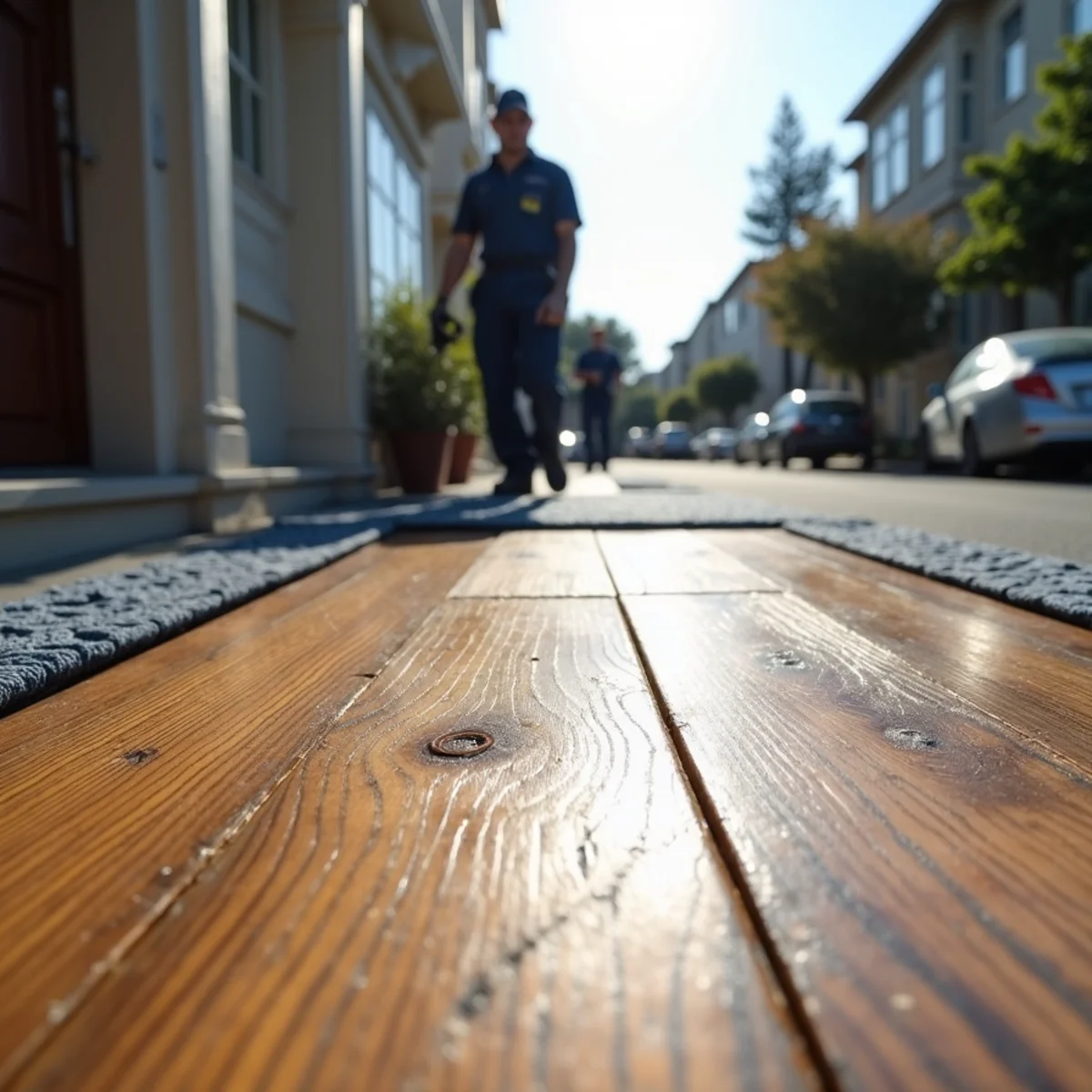
Mold spores are already present in every building. What they need is water and time, and on damp organic material at normal indoor temperatures that time is roughly 24 to 48 hours.
The food sources are ordinary building materials: drywall paper, wood framing, carpet backing, insulation facing, cabinet particle board. None of them need to be dirty or old. They just need to be damp.
That threshold is the entire reason emergency response exists. Inside the window, a clean-water loss is typically extraction, three to five days of drying and cosmetic repair. Outside it, the same loss adds containment, HEPA filtration, material removal and a separate remediation scope. The water did not get worse — the delay did.
What actually matters about mold (and what does not)
There is a great deal of noise in this subject, much of it commercial. Here is what genuinely affects decisions.
What matters: the extent of growth, whether the moisture source is still active, what material it is growing on, whether occupants are sensitive or immunocompromised, and whether the HVAC system is involved.
What matters much less than marketing suggests: the species. Colour is a poor guide to risk, and the remediation protocol does not change based on identification. Anyone using the phrase "black mold" to justify emergency pricing is selling fear rather than a plan.
Health effects are real but individually variable. Common reactions include nasal and sinus congestion, throat irritation, coughing, eye irritation and skin rash. People with asthma or allergies react more strongly, and immunocompromised individuals face genuinely elevated risk. Most healthy adults are not in danger from a small localised patch — which is not a reason to leave it, because the underlying moisture problem is still doing structural damage.
Why the Bay Area is a mixed picture
Redwood City sits in a genuinely two-season moisture environment, and prevention has to account for both.
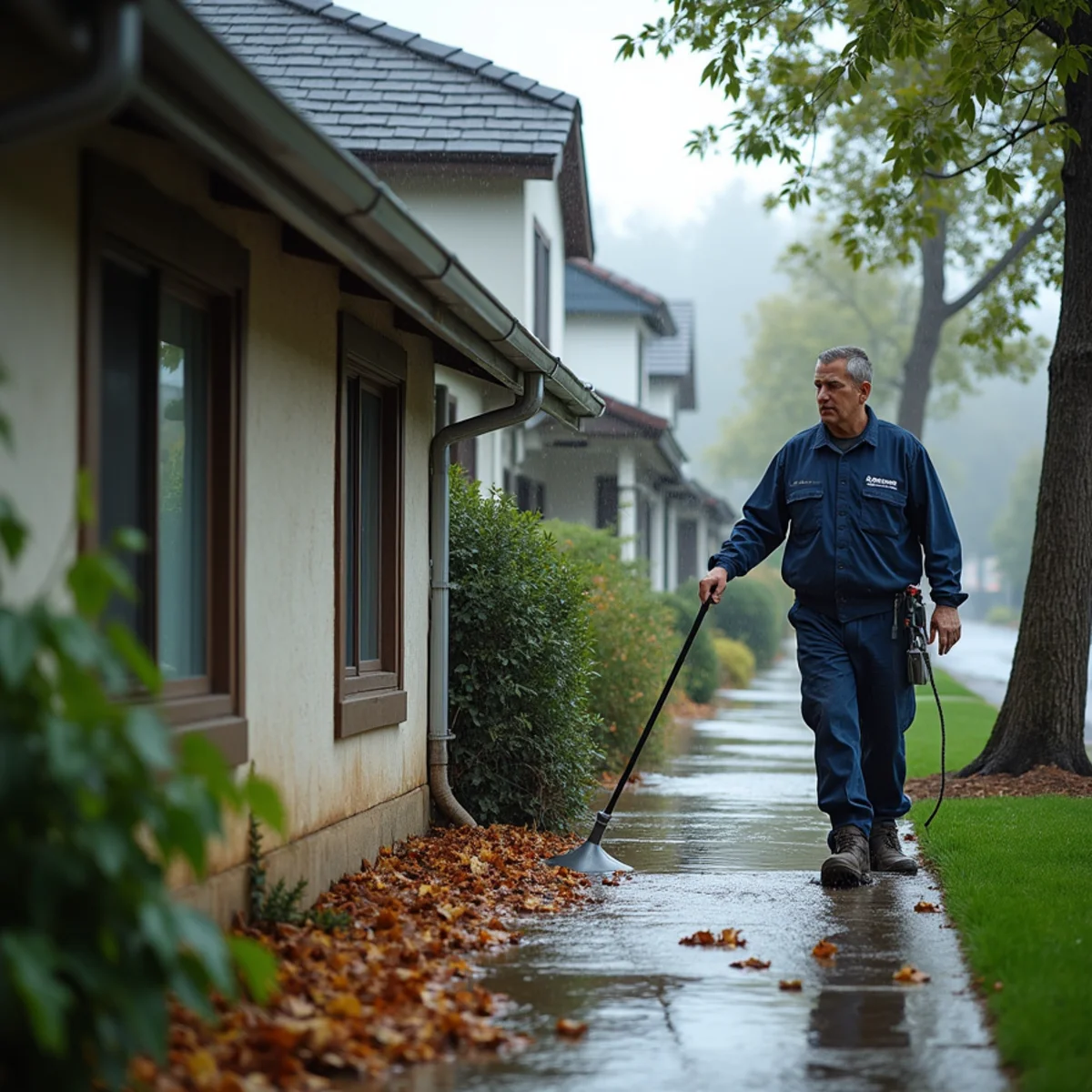
Winter brings extended rain and high humidity — the obvious risk period, with roof leaks, storm intrusion and drainage failures.
Summer brings the less obvious one. Marine layer influence means cool nights with high relative humidity even months after the last rain. Surfaces in poorly ventilated spaces stay damp longer than the calendar suggests. The recurring problem locations are predictable: closets on exterior walls, crawl spaces, garages, and bathrooms with ineffective exhaust.
The coastside communities we serve — El Granada, Montara, Moss Beach, Half Moon Bay, Pacifica — live at the damp end of that range year-round, and mold there is a continuous condition rather than a seasonal event. Homes in Woodside or the Tri-Valley have a genuinely different problem.
What proper remediation looks like
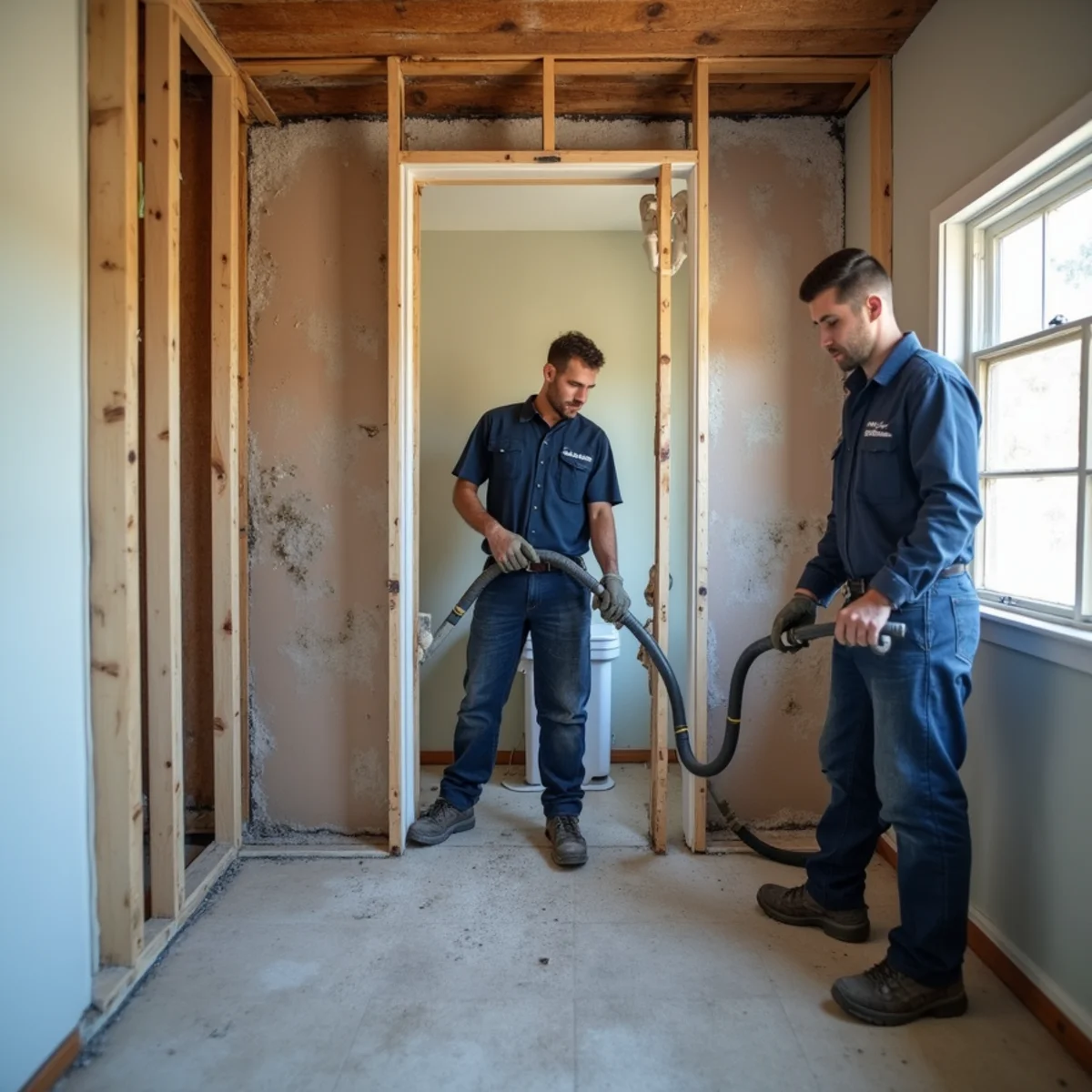
Remediation is fundamentally a containment discipline. The dangerous moment in the entire process is when growth is disturbed, because that is when airborne spore counts spike. Everything in the setup exists to control that moment.
Green flag: containment before demolition — Sealed barriers, HVAC shut down and isolated, negative air through HEPA filtration — all before anything is cut.
Green flag: porous material removed, not treated — Contaminated drywall, insulation and carpet pad leave the building. They cannot be cleaned in place.
Green flag: the moisture source named in the written scope — A scope that states exactly what wet the material and how it was corrected.
Green flag: post-remediation verification — Visual clearance and moisture readings, with independent clearance testing on larger scopes or where there is a dispute or health complaint.
Red flag: fogging or spraying as the whole treatment — A biocide fog over concealed growth kills surface spores and leaves the colony and its food source intact behind the drywall.
Red flag: no containment on a large area — Cutting drywall on active growth without barriers distributes spores through the house. The most common and most damaging shortcut.
Red flag: remediation quoted without identifying the source — Guaranteed repeat work. If nobody can tell you where the water came from, the job is not scoped.
When you can handle it yourself
Not everything needs a crew, and it is worth being clear about the line.
Small surface growth on a hard, non-porous surface — tile grout, a tub surround, a window sill — is reasonable to clean yourself. Ventilate, wear gloves and a mask, clean with detergent, and dry the area thoroughly. Then fix whatever is keeping it damp, usually ventilation.
Do not tackle it yourself when growth covers more than about ten square feet, when it is on drywall, insulation, carpet or wood, when you cannot find the moisture source, when the HVAC system may be involved, or when anyone in the household has asthma, allergies or a compromised immune system.
And please do not use bleach on porous surfaces. It sanitises the top layer while the colony and its food source remain beneath, and scrubbing releases spores into the air you are breathing.
The insurance consequence of waiting
This is the part that costs homeowners real money, and it is not widely understood.
Many carriers cover mold remediation when it results from a sudden covered water loss that was reported and mitigated promptly — often up to a policy sublimit. Coverage becomes much harder to obtain when growth resulted from a leak that was known about and left, because that reads as a maintenance failure rather than a sudden event.
So the advice for your health and for your claim is identical: report the water immediately, get it dried and documented, and keep the moisture log. Delay is what converts a covered mitigation job into an uncovered remediation job. Our guide to California water damage insurance coverage covers the mechanics.
Prevention that works in this climate
Run bathroom fans for twenty minutes after showering — And confirm they vent to the outside rather than into the attic — a surprising number here do not.
Keep indoor relative humidity between 40 and 55% — A cheap hygrometer tells you where you actually are. Above 60% through the wet season, the air itself is part of the problem.
Do not push furniture tight against exterior walls — In rooms that run cool, that gap is what prevents a condensation problem behind the sofa.
Keep crawl space vents clear and the vapour barrier intact — Ground moisture evaporating into the floor assembly is a major hidden source in the mid-century flats housing.
Fix small leaks immediately — Every mold job we do started as a water job someone was going to get to later.
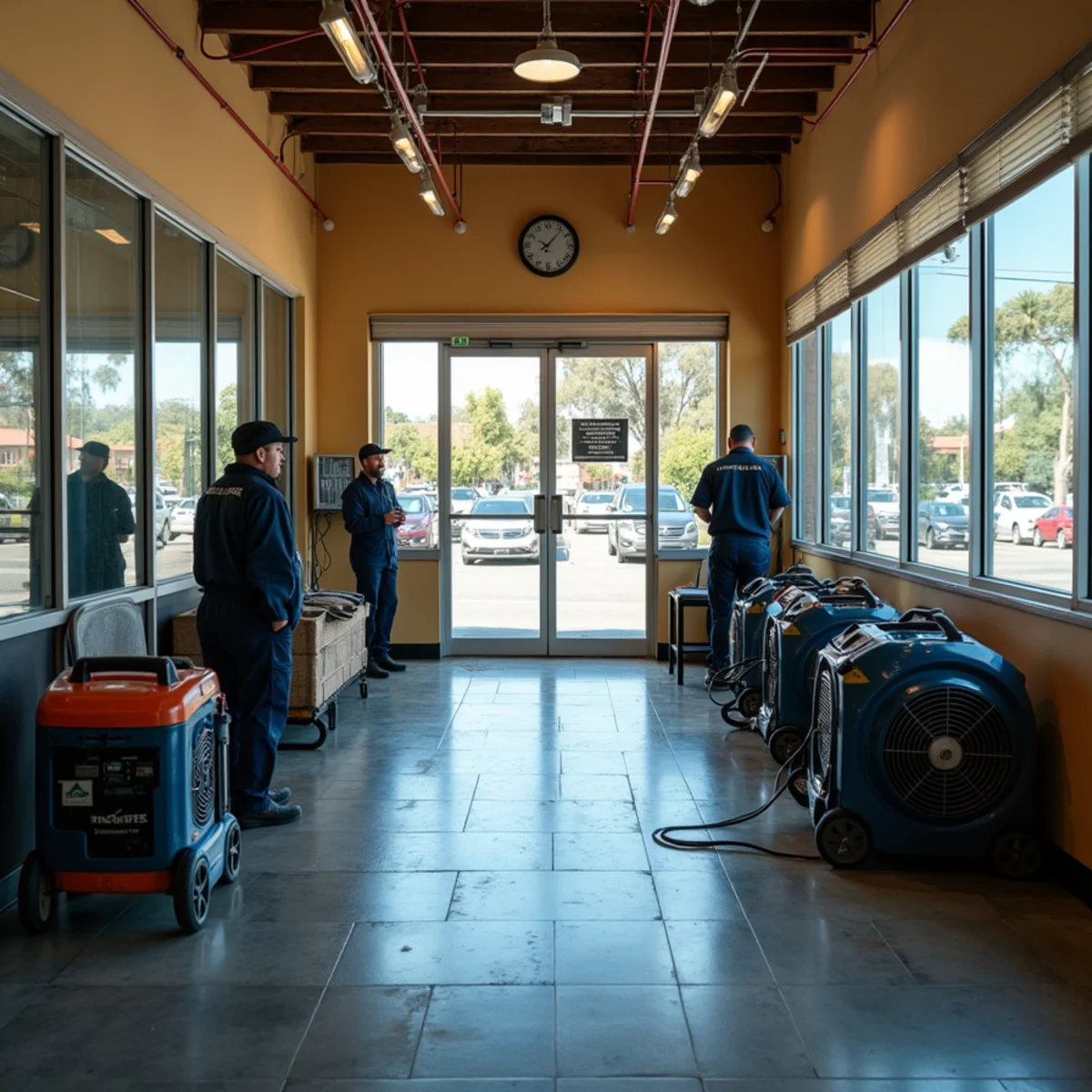
Dry any water event within 24 to 48 hours — This is the whole game. Everything else is secondary.
24/7 Emergency Response
Dealing with this in Redwood City right now?
We answer 24/7 and can usually be on site within the hour. Extraction, verified drying and the rebuild, documented for your insurer.
- IICRC-certified technicians
- Licensed, bonded & insured
- Direct insurance billing
- 24/7 live answer — no phone trees
550 Allerton St, Redwood City, CA 94063 · Emergency dispatch answered 24/7, including holidays