Problem-solving
How Long Does Water Damage Restoration Take?
Extraction is hours. Drying is days. Rebuild is weeks. Here is what actually determines each number, and where schedules slip.
The overall shape
For a typical single-room clean-water loss caught quickly: extraction takes a few hours, structural drying takes three to five days, and repairs take a few days to a couple of weeks depending on what has to be replaced.
For a larger or contaminated loss: extraction and demolition take one to two days, drying runs five to ten days, and reconstruction can run several weeks.
The honest version is that only the first number is predictable. Drying finishes when materials reach dry standard, and the rebuild depends on how much came out. Anyone giving you a firm total before the inspection is guessing.
Phase 1 — Emergency response and extraction: hours
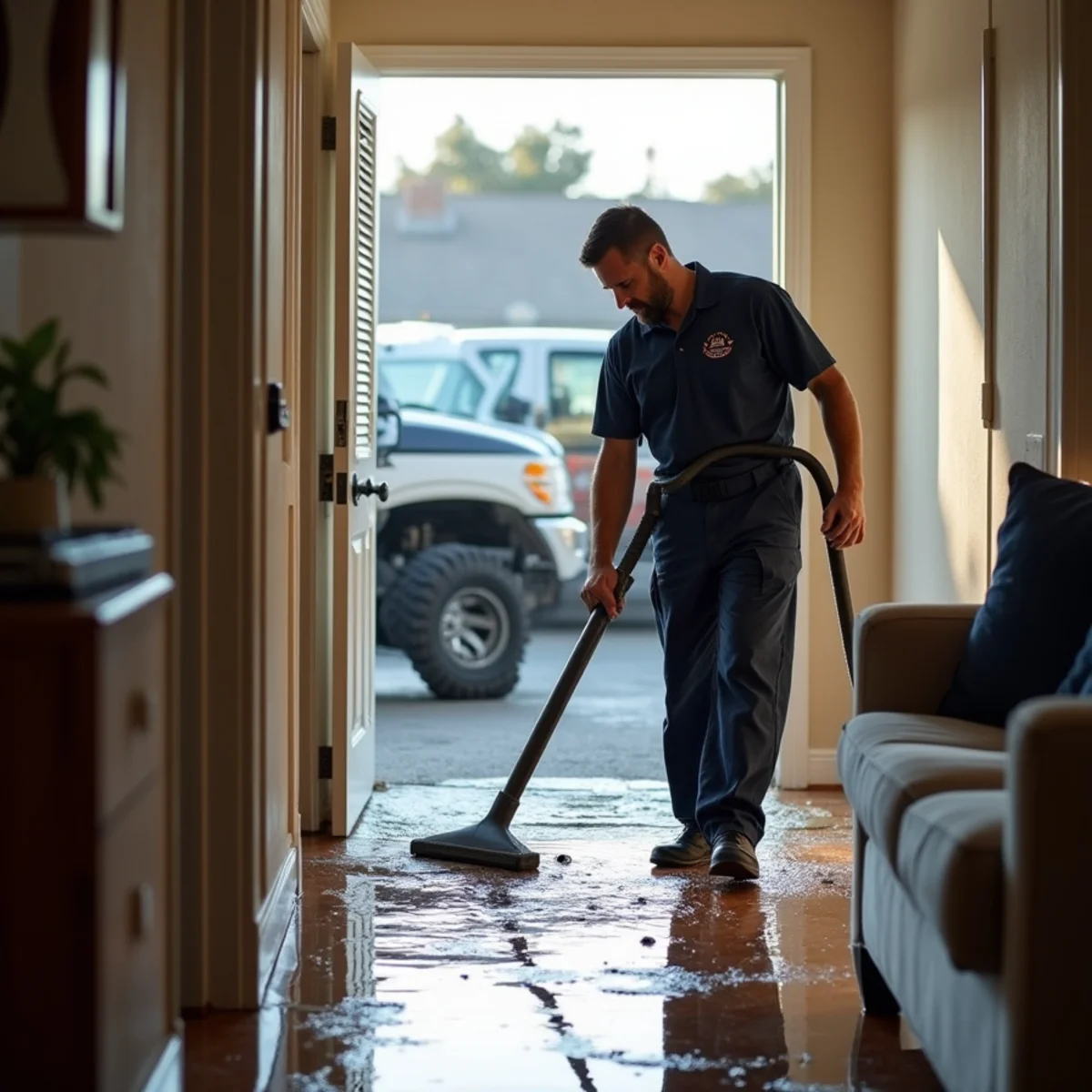
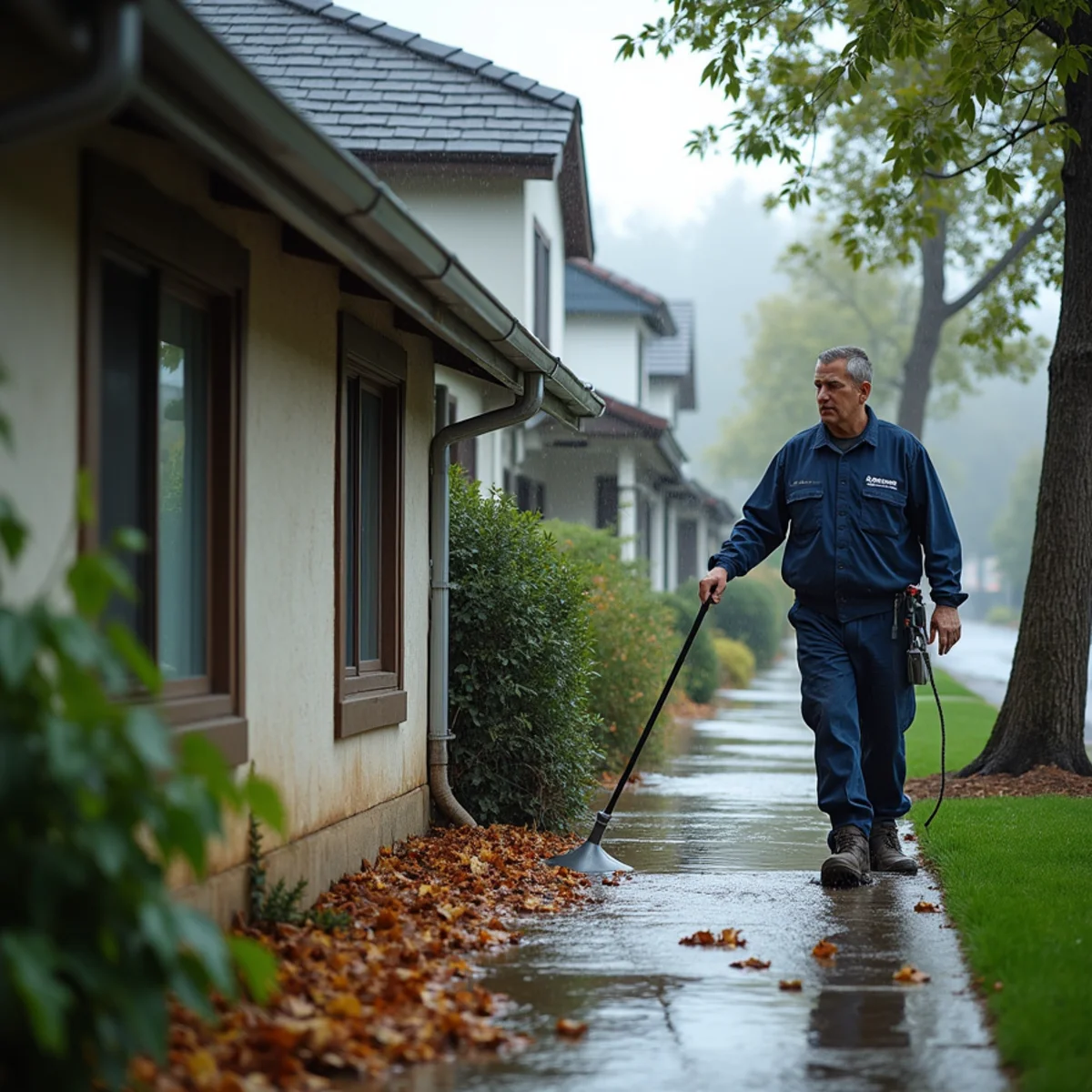
From the call, we target 60 minutes on site in Redwood City. Adjacent cities run slightly longer, and coastside or Tri-Valley addresses longer again.
On arrival, source control and hazard assessment take fifteen to thirty minutes: confirm the water is off, check for energised circuits in wet areas, assess ceiling sag and structural risk, classify the water category.
Extraction itself is typically two to four hours for a single room and can run a full day for a flooded ground floor. Controlled demolition — removing wet pad, cutting saturated drywall, pulling wet insulation — happens in the same visit, because material that cannot be saved should not be left to hold water against framing.
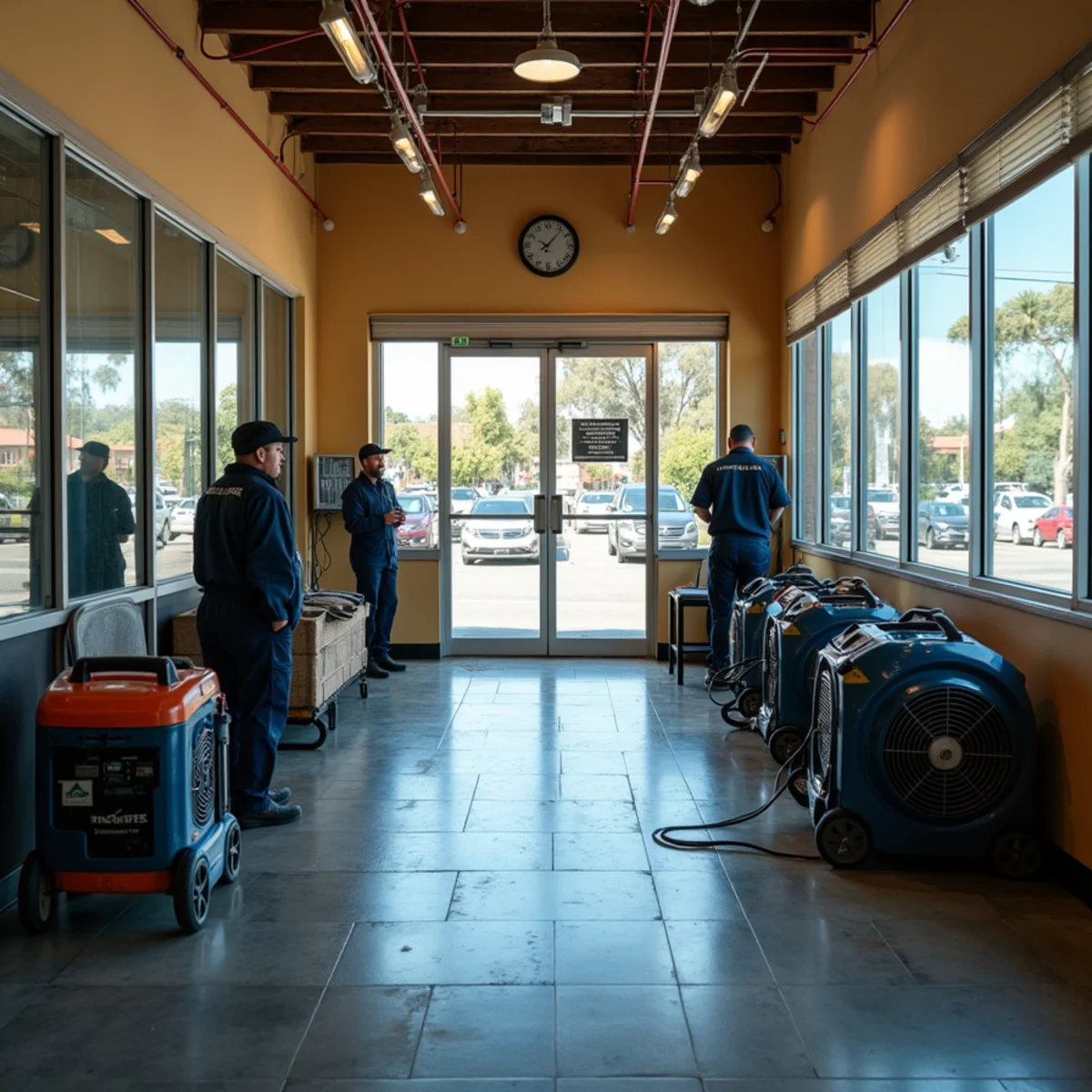
Equipment goes in before we leave, along with baseline moisture readings and a written scope. That first visit typically runs three to six hours.
Phase 2 — Structural drying: 3 to 10 days
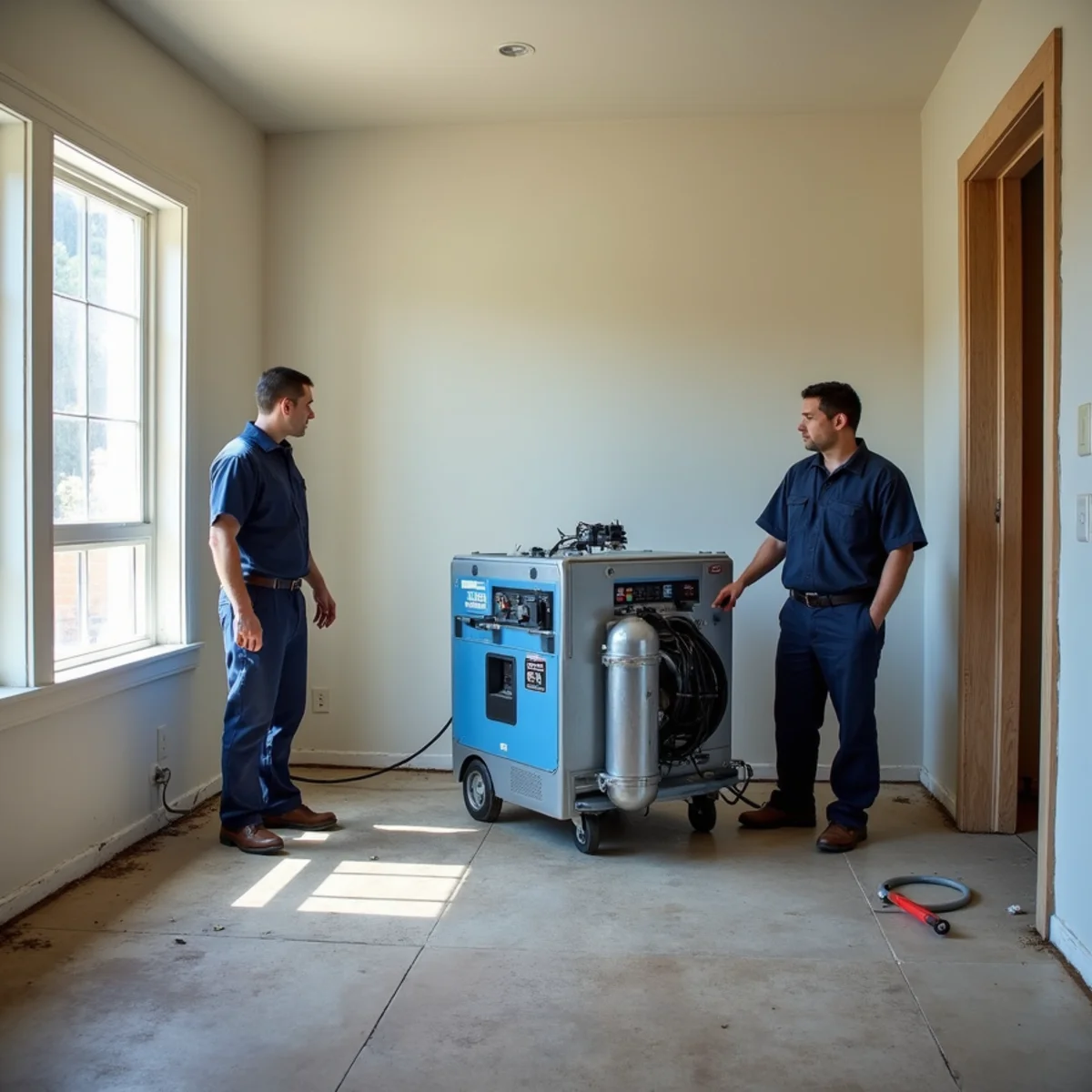
This is the phase homeowners most want to shorten and the one that least tolerates it.
Three to five days is normal for drywall, framing and standard flooring in a clean-water loss caught quickly. Five to ten days is normal when concrete, solid hardwood, plaster or a below-grade space is involved. Longer than ten days means something unusual — a very large slab, a Class 4 specialty drying situation, or a source that was not fully resolved.
What extends it: cool damp weather, which is most of a Peninsula winter; a high water table, which is why Redwood Shores and Foster City run longer as a matter of course; concrete, which releases moisture slowly; wet insulation left in place, which will not dry through drywall; and equipment switched off overnight, which happens more often than you would think and reliably adds days.
What shortens it: aggressive early extraction, opening closed assemblies so trapped water has a path out, and adequate dehumidification capacity for the load. Our structural drying page covers the engineering.
Phase 3 — Verification: the day nobody schedules
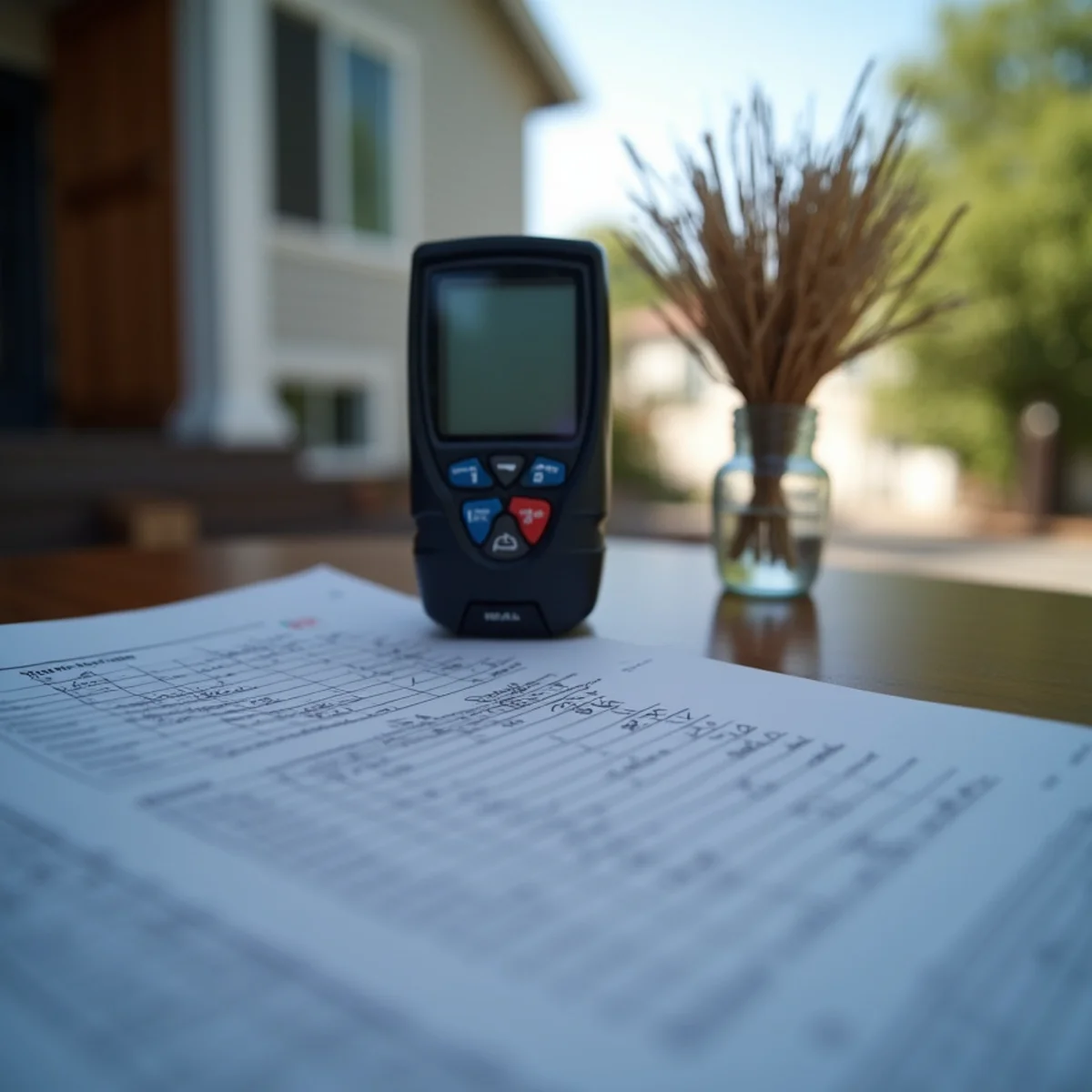
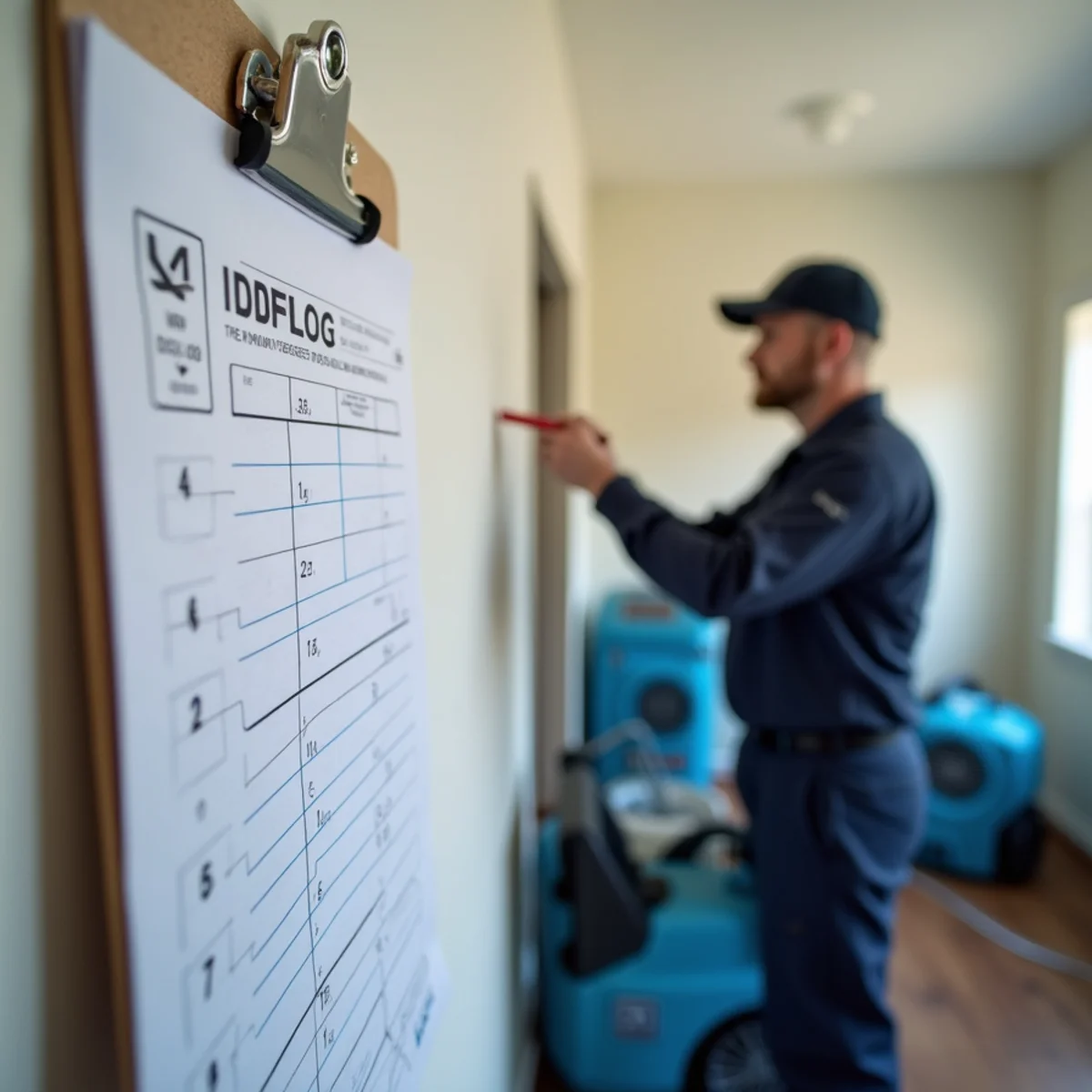
Drying is complete when readings hold at dry standard across all affected materials — not on a calendar date. That is the whole basis of a defensible mitigation invoice, and it is where corners get cut in this industry.
A real moisture log has the date and time of each visit, consistent marked reading locations, the material at each point, the reading, the dry standard for comparison, room temperature and relative humidity, and the equipment in place. Ask any company for a sample before you hire them.
If readings plateau, that is a signal rather than something to wait out. It usually means trapped water in a cavity, a material needing direct injection, insufficient capacity, or an unresolved source — and the response is to change the plan, not extend the calendar.
Phase 4 — Reconstruction: days to weeks
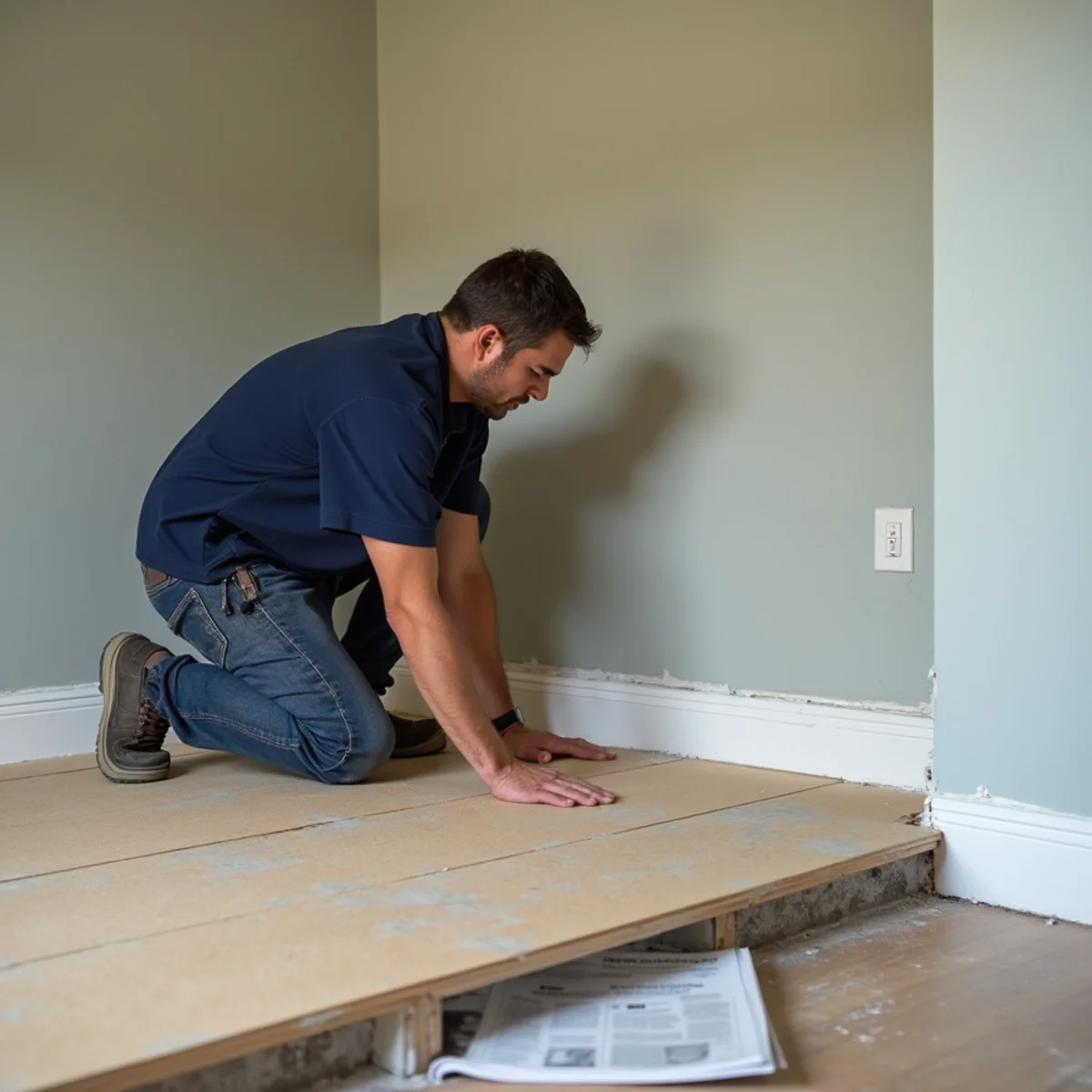
Drywall patch, texture and paint: 2 to 5 days — Including cure time between coats. Texture matching adds a day where the existing finish is unusual.
Baseboard and trim: 1 to 2 days — Longer where profiles have to be milled to match older custom trim.
Carpet and pad: 1 to 3 days — Mostly dependent on material availability rather than labour.
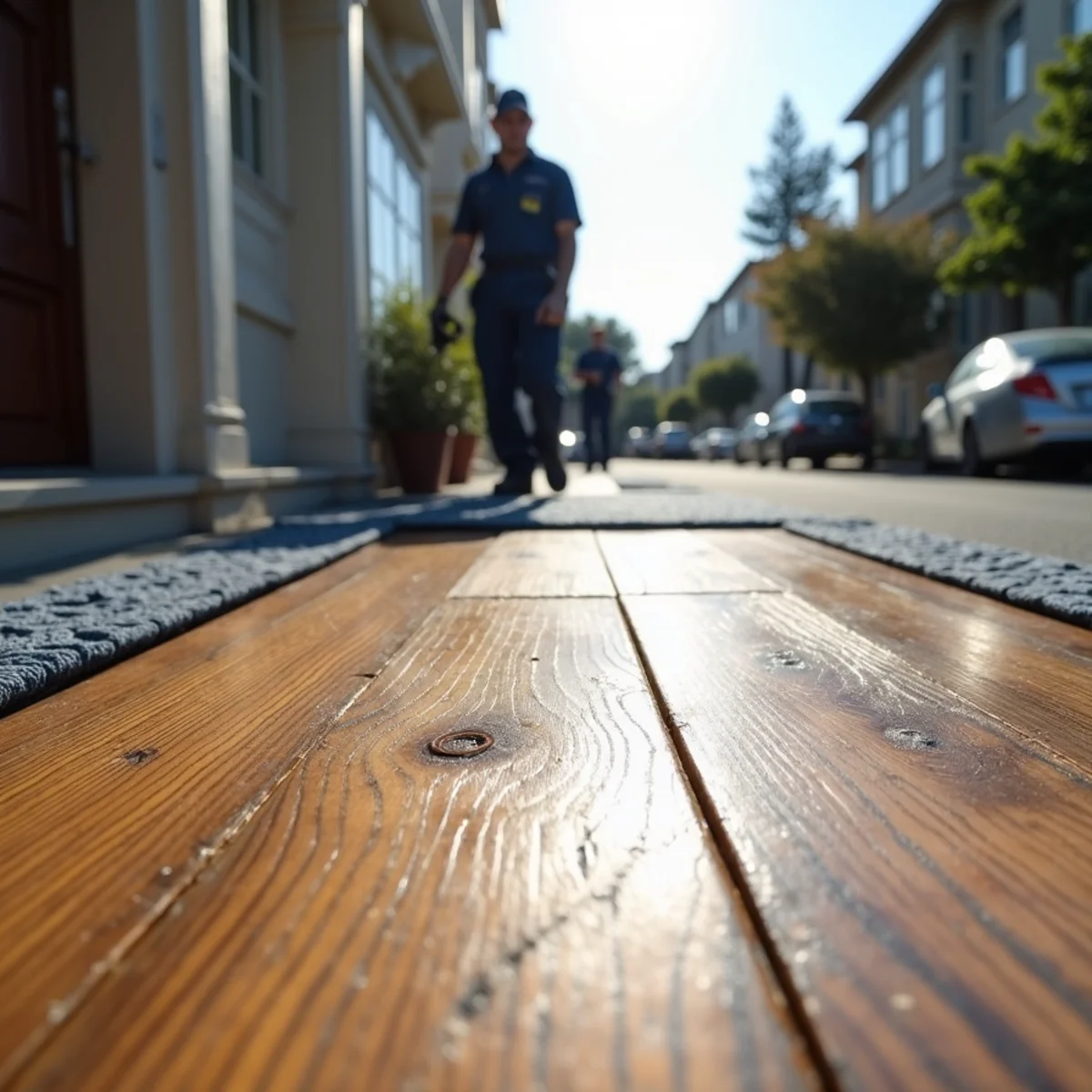
Hardwood refinishing: 1 to 2 weeks — Plus a critical two-to-four-week wait after drying so moisture equalises before sanding. Sanding early is how a recoverable floor becomes a replacement.
Tile and stone: 3 to 7 days — Including mortar and grout cure times, which cannot be rushed.
Cabinetry: 1 to 6 weeks — Repair is quick; custom replacement is a lead-time problem rather than a labour one.
Full room rebuild: 3 to 6 weeks — Where framing, insulation, electrical or plumbing coordination is involved.
Where timelines actually slip
In our experience, delays come from a short list of causes, and most are avoidable.
Insurance approval on scope changes. When drying reveals more damage than the original scope covered — which is common, because hidden moisture extends further than visible damage — the revised scope needs approval before rebuild proceeds. Thorough documentation from day one is what keeps this to days rather than weeks.
Asbestos and lead testing. In pre-1980 homes, sprayed acoustic ceiling texture and old paint need testing before disturbance. A positive result means licensed abatement first, which adds a week or more. We test rather than cut, and we flag it early.
Material lead times. Discontinued flooring, custom cabinetry and specialty tile are lead-time problems that no amount of scheduling solves.
Regional storm events. During a major atmospheric river, every restoration company in the county is at capacity. We triage by severity and habitability and give realistic windows rather than comfortable ones.
And the one homeowners control: turning off drying equipment. Understandable, and it costs days.
Can you speed it up?
Some of it, yes — and it is worth knowing which levers are real.
Extraction speed is the biggest lever and it is entirely front-loaded: call immediately. Every gallon removed mechanically is a gallon that does not have to be evaporated over days.
More equipment genuinely shortens drying, up to the point where capacity exceeds what the structure can release. For commercial clients where closure costs more than equipment, we routinely run heavier setups for fewer days and quote both options.
Phasing shortens perceived time. Reopening a trading area or getting bedrooms usable while back-of-house work continues is often worth more than a shorter total.
What does not work: pulling equipment early, refinishing hardwood before it equalises, or closing walls over material that has not hit dry standard. Each of those saves a few days and costs the whole job.
24/7 Emergency Response
Dealing with this in Redwood City right now?
We answer 24/7 and can usually be on site within the hour. Extraction, verified drying and the rebuild, documented for your insurer.
- IICRC-certified technicians
- Licensed, bonded & insured
- Direct insurance billing
- 24/7 live answer — no phone trees
550 Allerton St, Redwood City, CA 94063 · Emergency dispatch answered 24/7, including holidays