Problem-solving·8 min read
How to Detect Hidden Water Damage in Your Redwood City Home
Most water damage is discovered late, not because it was subtle, but because nobody knew what to look for. Here is the list.
Read the guide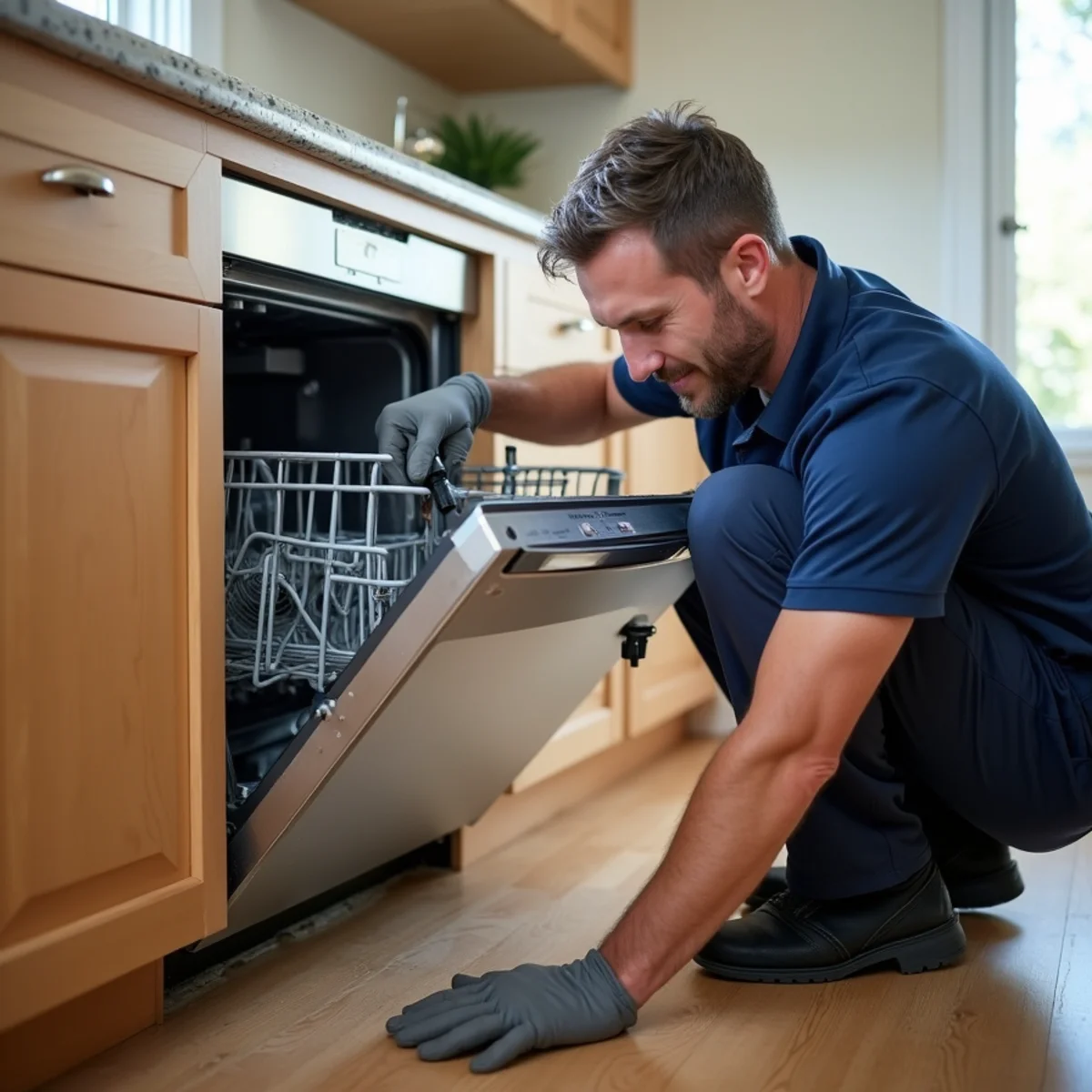
Restoration service · Redwood City, CA
Appliance leaks are the most common water loss in American homes and the most commonly under-treated. The reason is simple: the visible water is small and easy to mop, while the water that matters has gone under the cabinet toe-kick, under the flooring, and into the wall cavity behind the appliance where nobody can see it.
Answered by a person, 24/7 — crews on site within 60 minutes in Redwood City.
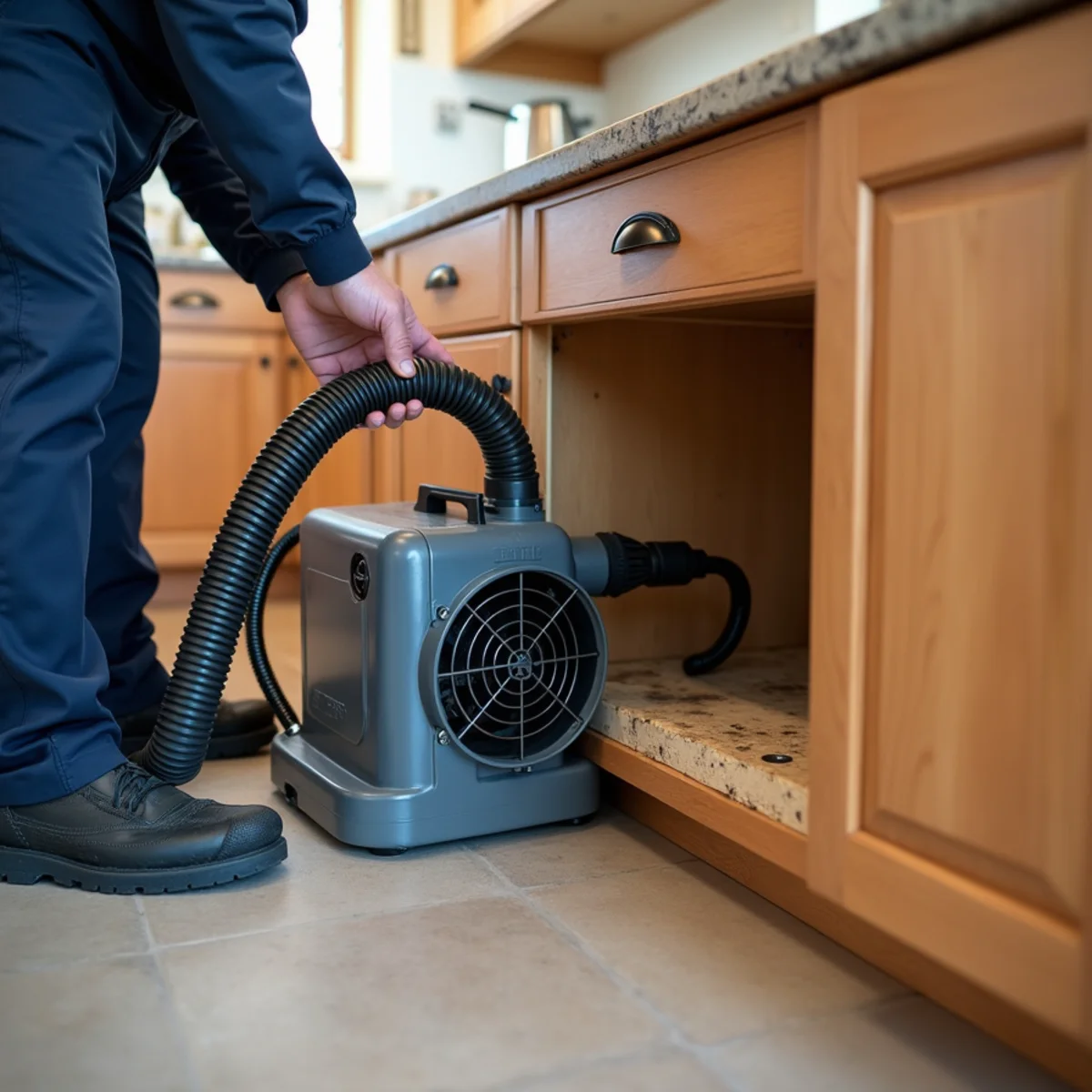
We find that water. Cabinet bases are drilled and vented, flooring is lifted or extracted at the perimeter, cavities are injected with dry air, and everything is verified with readings rather than assumed dry because the kitchen floor looks fine.
The five repeat offenders are always the same: dishwashers, washing machines, refrigerator ice-maker lines, water heaters and under-sink supply connections. Four of the five fail while nobody is home.
Warped or dark flooring at a cabinet toe-kick
Water wicks out from under the cabinet run into the flooring edge. This is often the first visible sign of a slow dishwasher leak.
A soft or swollen cabinet base
Particle board cabinet bottoms swell and delaminate. If the base is soft, water has been there for weeks or months.
A musty smell near the dishwasher or laundry
Concealed growth on a wet cabinet base or wall cavity behind the appliance.
Staining on the ceiling below a second-floor laundry
Upstairs laundry rooms and their pans are a frequent source. The ceiling below stains long before anyone checks the pan.
A stained or corroded water heater base
Rust or mineral crust at the bottom of the tank means it has been weeping. A full failure is coming, usually without further warning.
Higher humidity or condensation in one room
A slow leak evaporating into a closed space raises humidity locally, which is enough to grow mold on adjacent surfaces.
Our process
Step 1
Shut off and pull the appliance
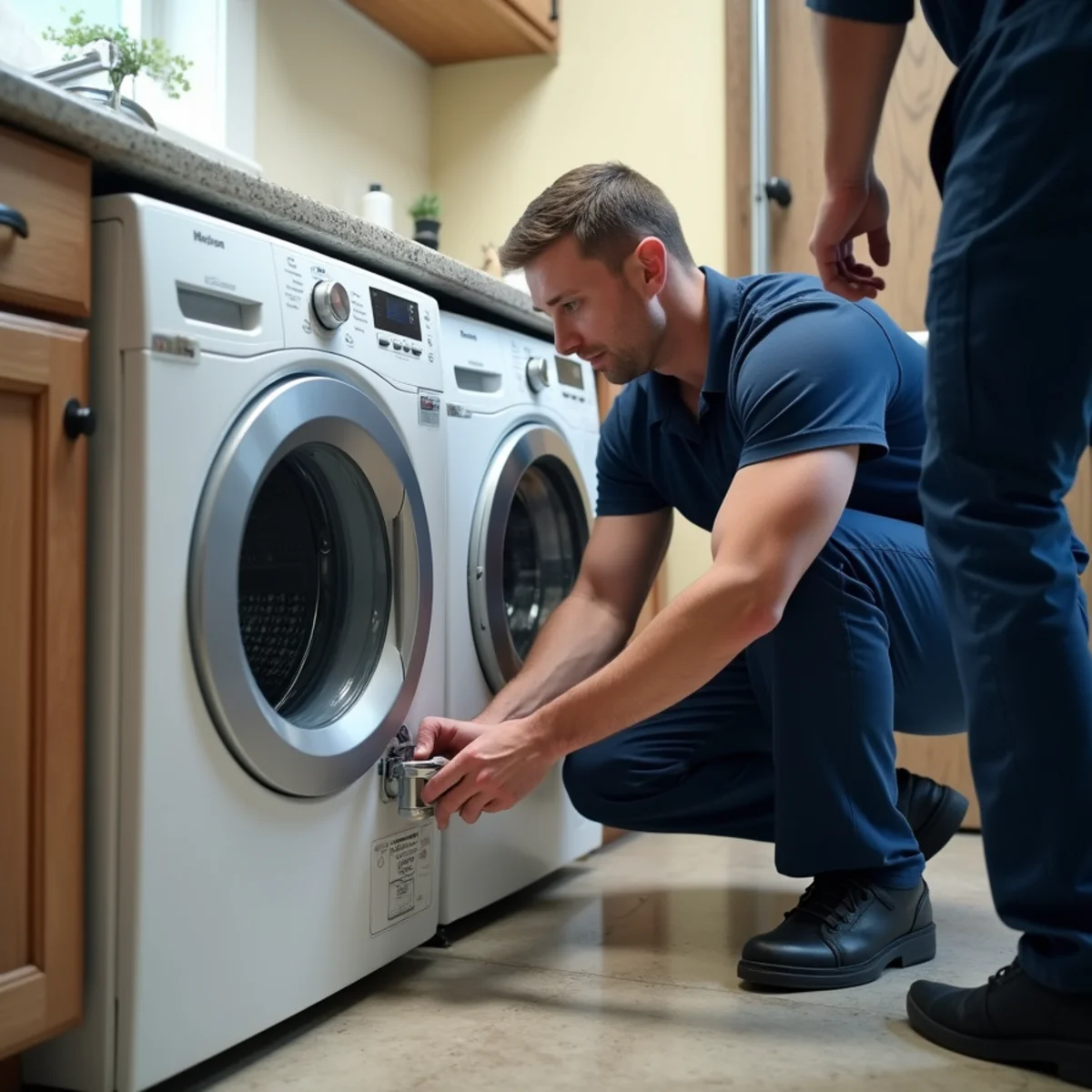
Water and power isolated, appliance moved out so we can see behind and beneath it. The wall cavity behind the appliance is where the water usually is.
Step 2
Map the real footprint
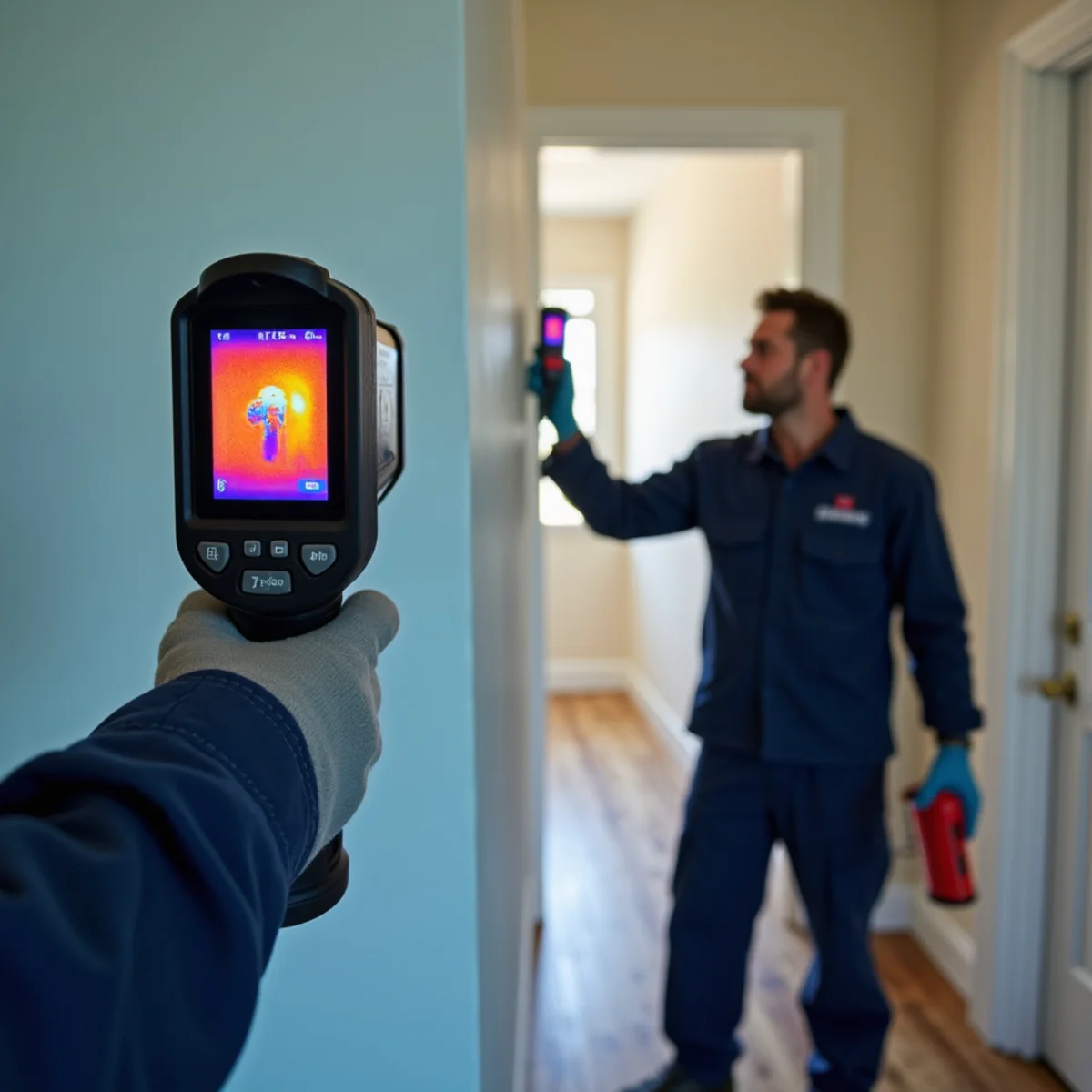
Moisture readings across flooring, cabinet bases, toe-kicks, the wall cavity and the room below where relevant. Kitchen losses spread further than they appear because cabinet runs channel water.
Step 3
Open the closed spaces
Cabinet bases drilled and vented, toe-kick panels removed, flooring lifted at the perimeter, weep holes at the base of the wet cavity. Sealed cabinet boxes hold water like a tray and will not dry otherwise.
Step 4
Dry and treat
Air movers and dehumidification with targeted delivery into cabinets and cavities. Antimicrobial where the water was gray — dishwasher and washing machine discharge is Category 2.
Step 5
Repair and reinstall
Cabinet base replacement or repair, flooring, drywall and paint, then the appliance reinstalled with a new supply line and a leak pan or sensor where it makes sense.
24/7 Emergency Response
Tell us what you are seeing and we will tell you honestly whether it needs a crew, and what it is likely to involve. Emergency dispatch is answered 24/7.
550 Allerton St, Redwood City, CA 94063 · Emergency dispatch answered 24/7, including holidays
Dishwashers — Door gasket failures, drain hose cracks and pump seal leaks. These usually leak slowly under the unit and the cabinet run before anything reaches visible floor, which is why dishwasher damage is often extensive by the time it is found.
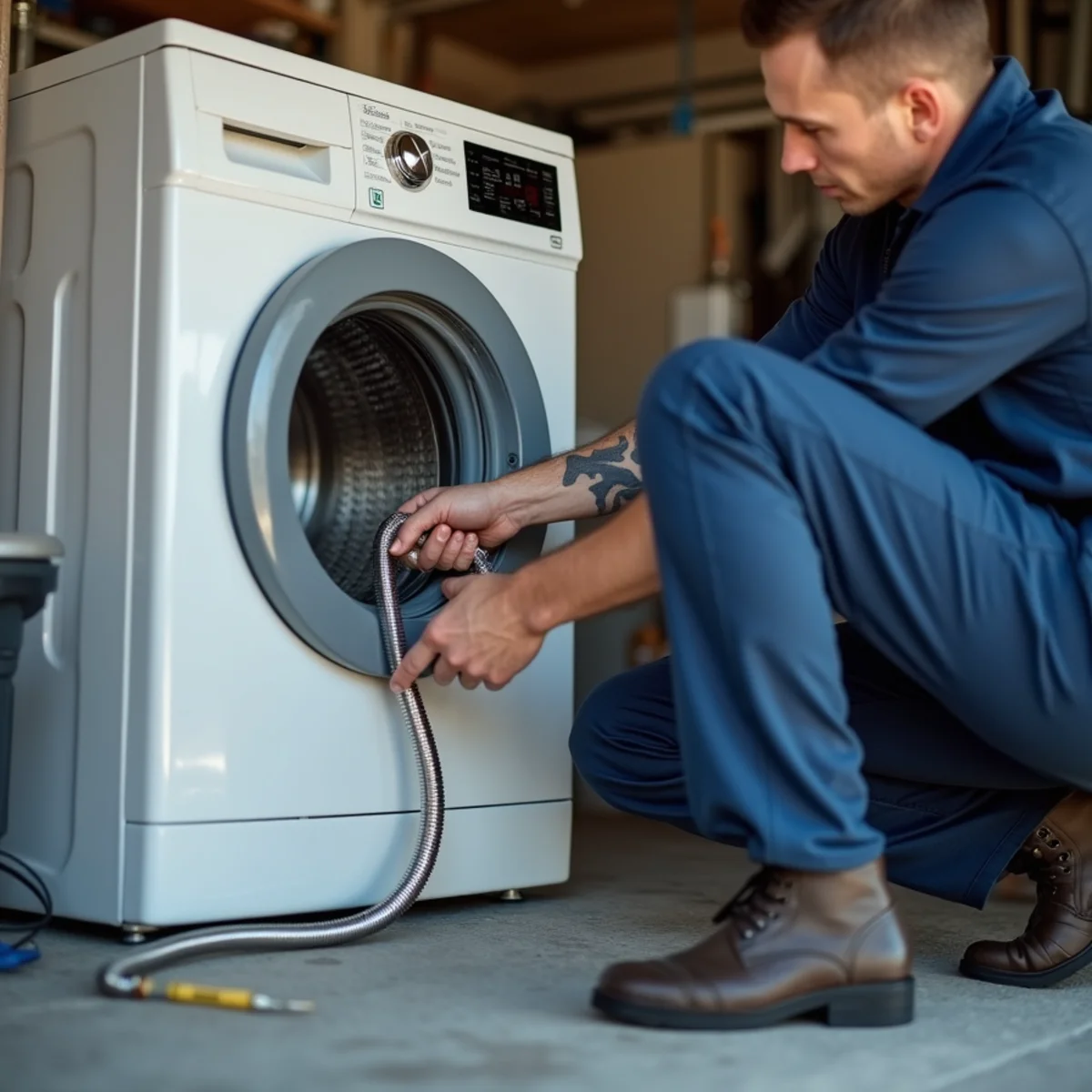
Washing machines — The classic burst supply hose, plus drain overflow and pump failures. Rubber hoses harden and fail with age; braided stainless replacements cost very little. Failures happen mid-cycle, so unattended machines dump the most water.
Refrigerator ice-maker lines — The quarter-inch line behind the fridge is the sneakiest leak in the house. Plastic tubing splits, saddle valves weep, and the water goes straight under the flooring behind an appliance nobody moves. Months of damage is common.
Water heaters — The single most destructive appliance failure — 40 to 50 gallons at once, plus continued supply until the valve is closed. Tanks last 8 to 12 years and a large share of local units are past that. Garage installations flood a slab; interior closet installations flood finished flooring.
Under-sink supply and drain connections — Angle stops, braided lines, P-traps and garbage disposal seals. Small, slow, hidden inside a cabinet, and responsible for a large share of the delaminated cabinet bases we replace.
Kitchens and laundry rooms are built in a way that hides water almost perfectly. A cabinet run sits on a continuous base with a toe-kick void behind it, so water flows along the run and pools inside a space you cannot see or reach. Flooring is installed before cabinets, so water travels under the cabinet footprint where extraction cannot follow. Appliances sit in tight bays against a wall cavity, and the drywall there wicks water upward out of sight.
That is why a mop and a fan is not a treatment plan for an appliance leak. The visible floor dries in a day and gives false reassurance, while the cabinet base, the subfloor and the bottom of the wall cavity stay wet — and those are the materials mold grows on.
It is also why so many appliance leaks turn into mold jobs. Not because they were big, but because the wet parts were invisible and nobody took a reading.
This is the highest return-on-effort maintenance in any home. Do these once and the odds of the most common loss in your house drop sharply.
Replace rubber washing machine hoses with braided stainless — The cheapest insurance available anywhere in the house. Replace them every five years regardless of appearance.
Replace plastic ice-maker tubing with braided line — And remove any saddle valve you find — they are notorious slow leakers.
Check your water heater age today — The serial number on the label encodes the manufacture date. Past ten years, start planning replacement rather than waiting for the failure.
Put a pan under anything you can — Water heaters, upstairs washers and second-floor appliance installations. A pan with a drain turns a flood into a nuisance.
Add leak sensors — Inexpensive wifi water sensors under the dishwasher, behind the fridge, at the water heater and in the laundry pan. They pay for themselves the first time one goes off.
Turn off the laundry supply when you travel — Or install a smart shut-off valve. Most catastrophic appliance losses happen to an empty house.
Honest pricing
We publish ranges rather than hiding them behind a form. Mitigation runs $3 – $7.50 per square foot depending on water category, and most complete jobs land between $1,384 and $6,387. You get an itemised written estimate after inspection — never a firm number before anyone has checked for hidden moisture.
Why us for this
Restoration gets bought in a hurry, usually from whoever answers first. These are the things worth checking before you hand anyone a key — and what we put in writing on every appliance leaks job.
Under the cabinet run, into the toe-kick void, beneath the flooring and into the wall cavity behind the appliance. The visible floor is the last place appliance water appears and the first place it dries, which is why these losses get under-treated.
Solid wood and plywood-cased cabinets usually come back if we open and vent them early. We show you the readings and the physical condition before recommending replacement of anything.
Dishwasher and washing machine discharge carries detergent, food waste and bacteria — Category 2, $4–$7 per square foot, antimicrobial included. Treating it as clean water is cheaper on the day and expensive six weeks later.
The appliance goes back with a new supply line, and where it makes sense a pan or a leak sensor. Braided stainless hoses and a sensor under the dishwasher cost very little against the loss they prevent.
Honest pricing
Mitigation is priced per square foot by water category. Reconstruction is quoted separately, and you get an itemised written estimate after inspection rather than a number over the phone.
| Water category | Typical source | Health risk | Mitigation cost |
|---|---|---|---|
| Category 1 — clean water | Broken supply lines, sink and tub overflows, clean appliance leaks | Low risk if dried quickly | $3 – $4 / sq ft |
| Category 2 — gray water | Washing machine or dishwasher discharge, urine-only toilet overflow, sump failure | Moderate — bacteria present, can cause illness | $4 – $7 / sq ft |
| Category 3 — black water | Sewage backup, storm floodwater, toilet overflow with solids, microbial growth | High — pathogens; PPE and containment required | $7 – $7.50 / sq ft |
Insurance
We bill your carrier directly for covered work, so you are not floating the cost and waiting on reimbursement. You do not need to wait for an adjuster before emergency mitigation starts — policies expect you to take reasonable steps to limit the damage.
Sudden and accidental damage — a burst supply line, a failed water heater, an appliance hose — is covered by most California policies. Gradual leaks and deferred maintenance often are not, rising water from outside needs separate flood insurance, and sewer backup usually needs its own endorsement.
Nobody can promise what your carrier will decide. What we can promise is that the loss is documented well enough for that decision to be made on the facts.
California coverage explainedAppliance Leaks in Redwood City? A person answers 24/7 and gives you shut-off instructions while the crew is on the way.
+1 (201) 277-9344Problem-solving·8 min read
Most water damage is discovered late, not because it was subtle, but because nobody knew what to look for. Here is the list.
Read the guidePrevention·8 min read
Most of the losses we respond to were preventable for under $200 and an afternoon. Here is the list, in order of return on effort.
Read the guideReviewed by Water Damage Redwood City — checked by our IICRC-certified project managers.
Last reviewed
Where we provide this service
We cover Redwood City and the surrounding Peninsula. Local conditions change the plan — bayfill slabs dry slowly, hillside runoff is contaminated, and pre-1960 housing hides leaks under concrete — so pick your area for specifics.
FAQ
Get a reading before you decide. Dishwasher water goes under the unit and along the cabinet base first, so the visible floor is the last place it appears and the first place it dries. If the cabinet base or the wall cavity behind is wet and nobody checks, you get a mold problem in a few weeks instead of a drying job today.
A sudden failure — a burst hose, a cracked drain line, a ruptured water heater — is generally covered. A leak that has been weeping for months is often treated as a maintenance issue and denied, and the damage from long-term seepage is a common exclusion. This is the strongest practical argument for acting on the first sign rather than watching it.
Often, yes. Solid wood boxes and plywood-cased cabinets dry well if we vent them and get airflow inside early. Particle-board bases that have already swollen and delaminated cannot be restored and need replacement or a rebuilt base. We will show you the readings and the physical condition before recommending either.
Close the cold water inlet valve on top of the tank, then shut off the power — gas valve to off, or the breaker for an electric unit. Do not stand in water to reach the breaker. Then call us. A 50-gallon release across finished flooring spreads far and fast, and extraction in the first hour has an outsized effect on what can be saved.
Talk to your carrier, but set expectations: long-term seepage is one of the most commonly excluded causes, because policies cover sudden and accidental events rather than gradual ones. That does not change what the property needs — a cabinet base that has delaminated and a wet subfloor still have to be dealt with. We scope those jobs knowing they may be out of pocket, which usually means a tighter, more surgical scope than an insurance job.
24/7 Emergency Response
A person answers 24/7 and gives you shut-off and safety instructions while a crew is already on the way. Emergency mitigation is loss-limiting work your policy expects you to start immediately.
550 Allerton St, Redwood City, CA 94063 · Emergency dispatch answered 24/7, including holidays