Problem-solving·7 min read
How Long Does Water Damage Restoration Take?
Extraction is hours. Drying is days. Rebuild is weeks. Here is what actually determines each number, and where schedules slip.
Read the guide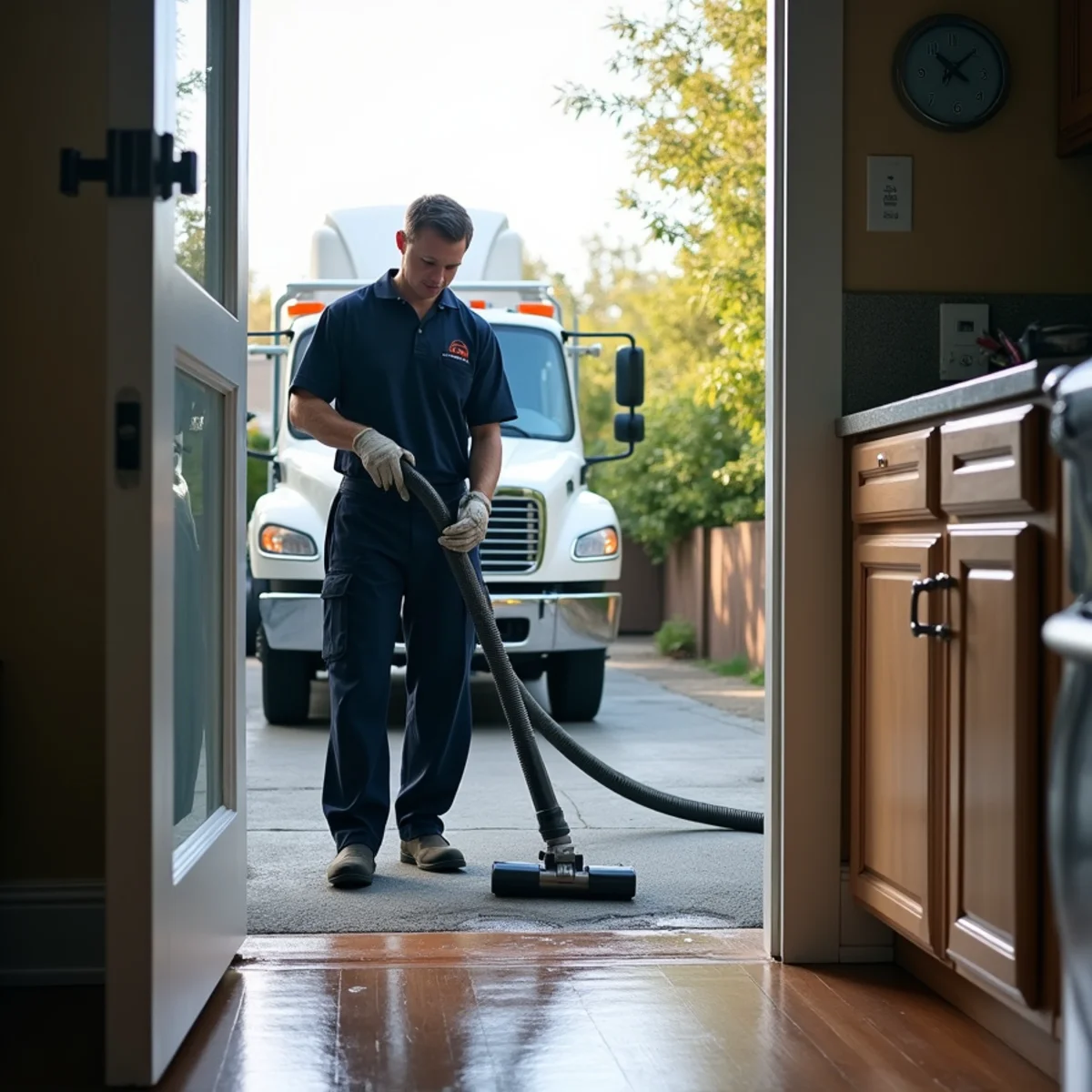
Restoration service · Redwood City, CA
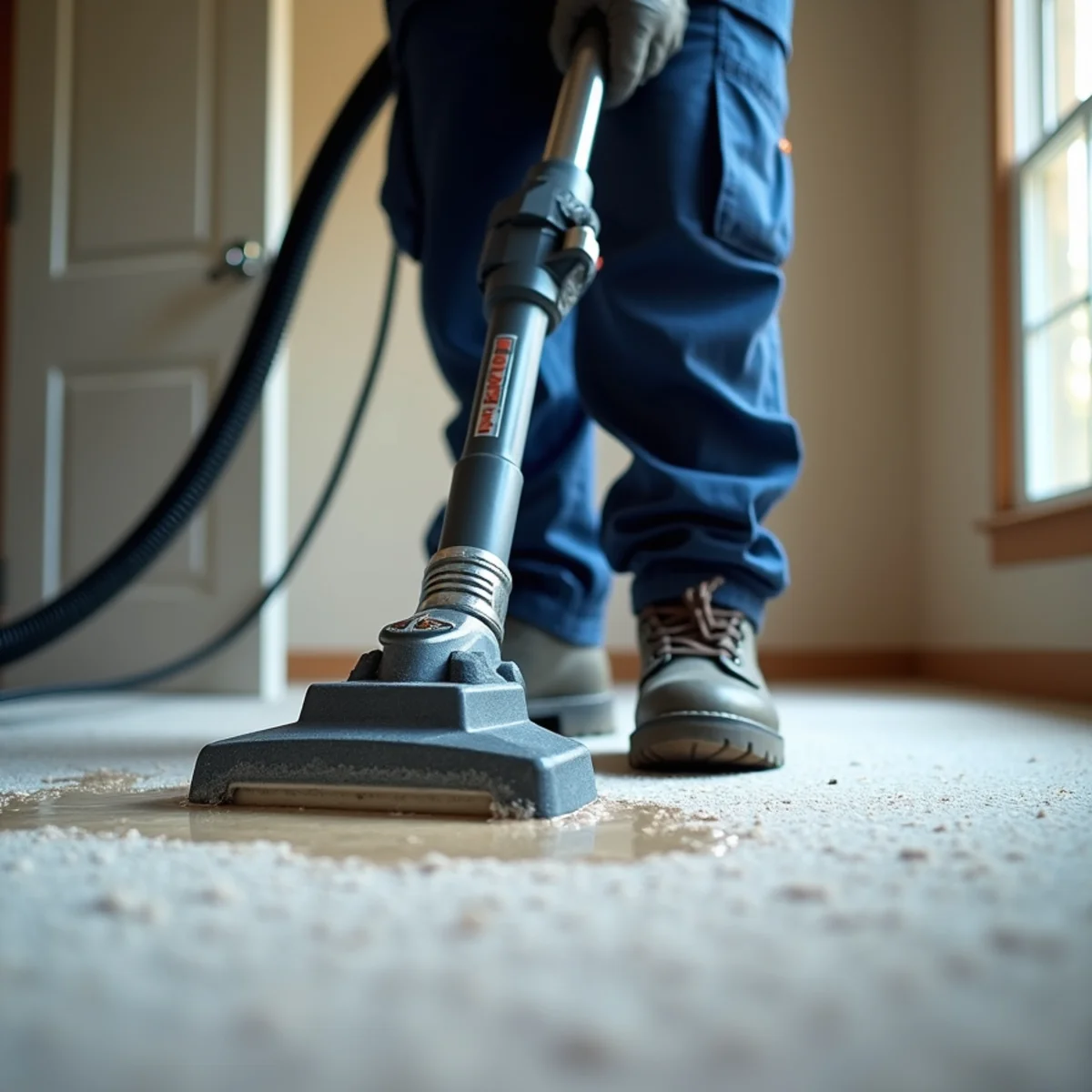
Extraction is the highest-leverage hour of any water loss. Mechanical removal is roughly 500 to 1,000 times more efficient than evaporation, so every gallon pulled out with a wand is a gallon your dehumidifiers do not have to convert to vapour and remove from the air.
Answered by a person, 24/7 — crews on site within 60 minutes in Redwood City.
That efficiency is why the first crew on site matters more than the equipment that stays behind. Aggressive early extraction is frequently the difference between saving hardwood and replacing it, between three drying days and eight, and between a mitigation-only job and a full reconstruction.
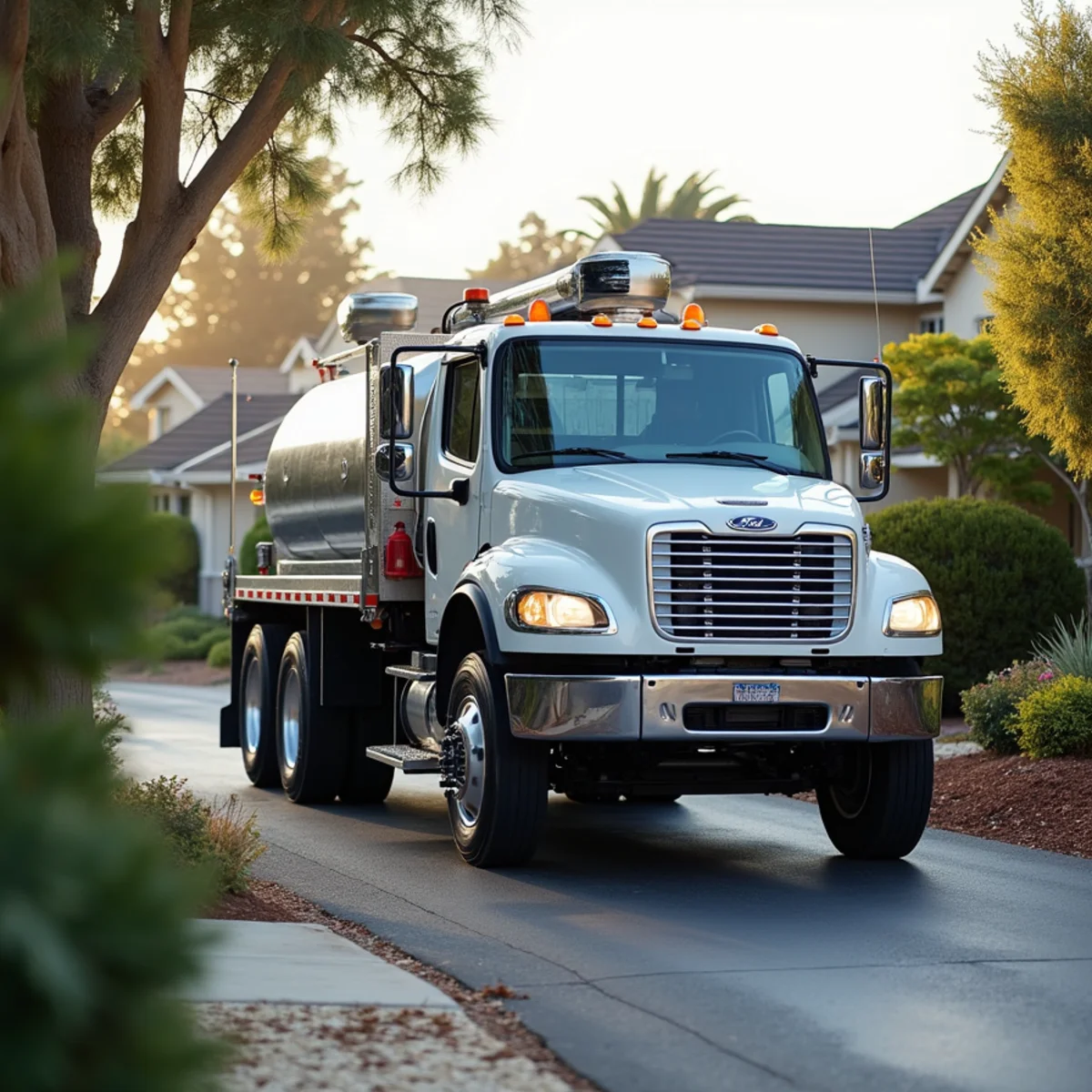
We bring the volume capacity to do it properly: truck-mounted units for large losses, portable extractors for upper floors and tight access, sub-surface tools that pull water out of carpet and pad, submersible pumps for below-grade water, and weighted extraction heads for hard surfaces and hardwood.
Any standing water at all
If there is visible water on the floor, extraction is the correct first step. Mopping moves it around and pushes it into seams.
Wet carpet
Carpet holds a remarkable amount of water and the pad beneath it holds more. Sub-surface extraction pulls both; a shop vac takes the surface only.
Water under a floating floor
Laminate and click-lock vinyl trap water against the subfloor. It cannot evaporate through the wear layer and will not dry without intervention.
Water in a crawl space or below-grade area
Submersible pumping first, then extraction of what the pump cannot reach.
Water in cabinet bases or a toe-kick run
A sealed cabinet box holds water like a tray. It needs to be extracted and vented, not left to find its own way out.
A wet subfloor under tile
Tile itself survives, but the mortar bed and subfloor beneath it hold water. Extraction plus targeted drying, or the assembly stays wet under an intact-looking floor.
Our process
Step 1
Assess depth, category and materials
How much water, what kind, and what it is sitting on. That determines the equipment and whether material comes out before or after extraction.
Step 2
Bulk removal
Truck-mounted extraction for volume, submersibles for depth. On large losses we run continuous waste discharge so the crew never stops to empty tanks.
Step 3
Sub-surface and detail extraction
Weighted heads and sub-surface tools on carpet and pad, hard-surface wands, and detail work at edges, thresholds, toe-kicks and stair nosings where water collects.
Step 4
Release trapped water
Drilled weep holes at the base of wet cavities, baseboard removal, and controlled release from ceilings holding water. Trapped water that is not released does not dry.
Step 5
Hand over to drying with baseline readings
Moisture readings logged the moment extraction finishes, so the drying plan starts from a documented baseline rather than an estimate.
24/7 Emergency Response
Tell us what you are seeing and we will tell you honestly whether it needs a crew, and what it is likely to involve. Emergency dispatch is answered 24/7.
550 Allerton St, Redwood City, CA 94063 · Emergency dispatch answered 24/7, including holidays
Consider 100 gallons of water in a carpeted room. Extracted mechanically, it is gone in under an hour. Left to evaporate, a large LGR dehumidifier removes on the order of 15 to 30 gallons a day under good conditions — so the same water becomes a multi-day job for a machine, and every one of those hours is an hour your framing, subfloor and drywall spend wet.
That is the whole argument for aggressive extraction, and it is also why the equipment inventory of the responding crew matters so much. A crew that arrives with one portable extractor for a whole-floor loss is going to leave water in the assembly and try to dry it out later.
It is also the reason we drill weep holes and pull baseboard rather than just running fans at a wall. Water trapped in a sealed cavity or behind a vapour-retardant finish has no path out. Give it a path and let a machine pull it, or wait weeks for it to find its own way and take the framing with it.
Carpet and pad — Sub-surface extraction through the carpet, then a decision on the pad. Clean water caught fast can sometimes keep the pad; anything else and it comes out.
Solid hardwood — Weighted extraction heads pull water from between boards before it drives into the subfloor. Speed here is the whole game — hours matter for whether the floor can be saved.
Engineered wood and laminate — Water gets under the wear layer and stays. Extraction plus panel removal at the perimeter; usually replacement, especially over a slab.
Sheet vinyl and LVP — Water travels under the sheet and along seams. We lift a perimeter section to extract rather than leaving a sealed wet plane.
Tile over mortar and slab — The tile survives; the assembly below holds water. Extraction plus targeted slab drying, verified with readings before anything is re-sealed.
Concrete and sealed slab — Extracts easily and dries slowly. Concrete releases moisture over days and needs verification, not assumption.
Being straight about the limits: extraction removes liquid water. It does not remove the moisture already absorbed into materials, and it does not address contamination.
After extraction, the drywall, framing, subfloor and slab are still holding water at a material level. That is what structural drying with dehumidification is for, and skipping it is how a floor that looked fine cups two weeks later.
And no amount of extraction makes contaminated material safe. Category 3 water requires removal of porous materials, cleaning and antimicrobial treatment. Pulling the sewage out of a carpet does not make the carpet clean.
Honest pricing
We publish ranges rather than hiding them behind a form. Mitigation runs $3 – $7.50 per square foot depending on water category, and most complete jobs land between $1,384 and $6,387. You get an itemised written estimate after inspection — never a firm number before anyone has checked for hidden moisture.
Why us for this
Restoration gets bought in a hurry, usually from whoever answers first. These are the things worth checking before you hand anyone a key — and what we put in writing on every water extraction job.
Truck-mounted units for large losses, portables for upper floors, sub-surface tools for carpet and pad, submersibles for below grade. A crew arriving with one portable extractor for a whole floor will leave water in the assembly and call it drying.
100 gallons extracted takes under an hour. The same water left for dehumidifiers is a multi-day job at 15–30 gallons a day, and every one of those hours is an hour your framing spends wet.
Weep holes at the base of wet cavities, baseboard removal, perimeter lifts on floating floors and controlled release from ceilings. Water sealed behind a finish does not dry, whatever is pointed at the wall.
Baseline readings are logged the moment extraction finishes and equipment goes in the same visit. A gap between the two throws away the advantage extraction just bought you.
Honest pricing
Mitigation is priced per square foot by water category. Reconstruction is quoted separately, and you get an itemised written estimate after inspection rather than a number over the phone.
| Water category | Typical source | Health risk | Mitigation cost |
|---|---|---|---|
| Category 1 — clean water | Broken supply lines, sink and tub overflows, clean appliance leaks | Low risk if dried quickly | $3 – $4 / sq ft |
| Category 2 — gray water | Washing machine or dishwasher discharge, urine-only toilet overflow, sump failure | Moderate — bacteria present, can cause illness | $4 – $7 / sq ft |
| Category 3 — black water | Sewage backup, storm floodwater, toilet overflow with solids, microbial growth | High — pathogens; PPE and containment required | $7 – $7.50 / sq ft |
Insurance
We bill your carrier directly for covered work, so you are not floating the cost and waiting on reimbursement. You do not need to wait for an adjuster before emergency mitigation starts — policies expect you to take reasonable steps to limit the damage.
Sudden and accidental damage — a burst supply line, a failed water heater, an appliance hose — is covered by most California policies. Gradual leaks and deferred maintenance often are not, rising water from outside needs separate flood insurance, and sewer backup usually needs its own endorsement.
Nobody can promise what your carrier will decide. What we can promise is that the loss is documented well enough for that decision to be made on the facts.
California coverage explainedWater Extraction in Redwood City? A person answers 24/7 and gives you shut-off instructions while the crew is on the way.
+1 (201) 277-9344Problem-solving·7 min read
Extraction is hours. Drying is days. Rebuild is weeks. Here is what actually determines each number, and where schedules slip.
Read the guideEmergency guides·7 min read
The first sixty minutes decide how much of your house ends up in a dumpster. Here is exactly what to do, in order, and what to avoid.
Read the guideReviewed by Water Damage Redwood City — checked by our IICRC-certified project managers.
Last reviewed
Where we provide this service
We cover Redwood City and the surrounding Peninsula. Local conditions change the plan — bayfill slabs dry slowly, hillside runoff is contaminated, and pre-1960 housing hides leaks under concrete — so pick your area for specifics.
FAQ
For a small clean-water spill on hard flooring, sure. For anything involving carpet and pad, a floating floor, hardwood, a cabinet run or more than a few gallons, no — a rental vac lacks the airflow and lift to pull water from below the surface, so you get a dry-feeling floor over a wet assembly. That is the exact scenario that produces cupped floors and mold two weeks later.
Hours, not days. Solid hardwood caught within roughly 24 hours with immediate weighted extraction and specialty drying is frequently saveable. After 48 hours, cupping and crowning are usually set and the odds drop sharply. Engineered wood over a slab is rarely recoverable at any speed.
Yes. Submersible pumps handle standing depth, then we extract the remainder, remove sediment and contaminated vapour barrier, and dry the space with equipment sized for a below-grade environment.
We log baseline moisture readings, remove unsalvageable material, and set air movers and LGR dehumidifiers so drying starts immediately. Extraction and drying are one continuous operation — leaving a gap between them wastes the advantage extraction just bought you.
Done properly, no — extraction is far gentler on a floor than leaving water in it. Weighted heads and sub-surface tools are designed to pull water through carpet and pad without delaminating the backing, and on hardwood the extraction head removes surface water before it drives down into the subfloor. What damages flooring is time: water sitting in the assembly, or a floating floor left sealed over trapped water.
24/7 Emergency Response
A person answers 24/7 and gives you shut-off and safety instructions while a crew is already on the way. Emergency mitigation is loss-limiting work your policy expects you to start immediately.
550 Allerton St, Redwood City, CA 94063 · Emergency dispatch answered 24/7, including holidays